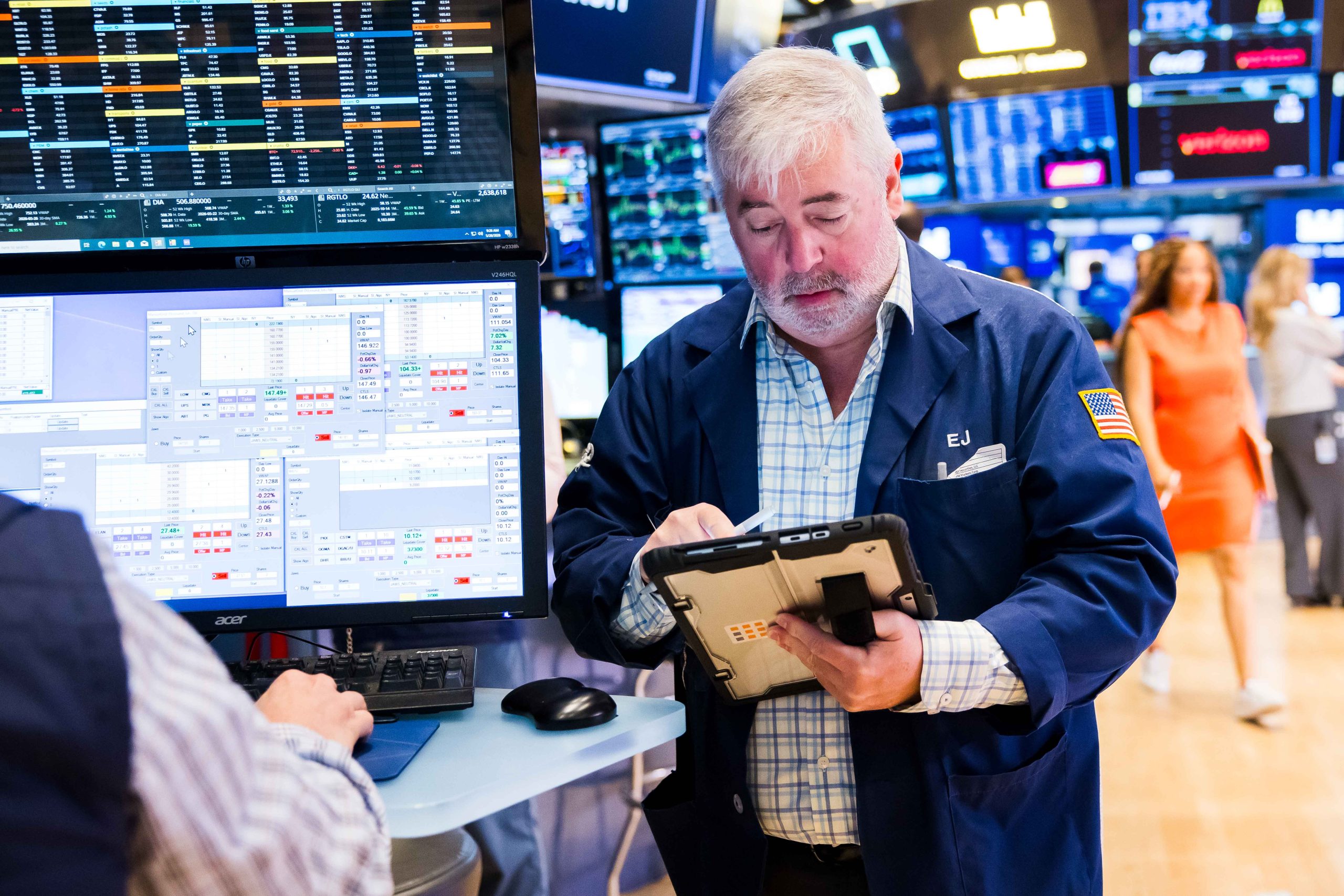
The S&P 500 reached an all-time high on Tuesday, June 2, 2026, as technology-driven optimism propelled major U.S. indices upward. While semiconductor stocks rallied on artificial intelligence demand, traders monitored escalating geopolitical tensions involving Iran. Markets remain volatile as investors weigh record-breaking corporate growth against potential supply shocks and geopolitical instability.
AI Momentum Drives Record Market Gains
Wall Street’s enthusiasm for the artificial intelligence trade has reached a fever pitch, pushing the S&P 500 to a fresh record high this week. Technology and energy sectors were the only two segments of the S&P 500 to see gains on Monday, with the tech sector rising 2.5% and energy climbing 1.9%, according to Yahoo Finance. The broader market push, however, has been remarkably narrow, leading some analysts to warn about the risks of portfolio concentration.

David Krakauer, vice president of portfolio management at Mercer Advisors, noted that while the market is currently holding up, the reliance on a small cluster of tech stocks is a point of concern. “When you see that kind of narrow push, you just want to be cautious,” Krakauer told CNBC.
The semiconductor space served as the primary engine for this week’s growth. Nvidia shares climbed 6% as the company announced a new chip designed to bring AI capabilities directly to personal computers. Meanwhile, Marvell Technology saw a staggering 26% rally after Nvidia CEO Jensen Huang signaled the company’s potential to reach a trillion-dollar valuation. Huang emphasized that the modern computing landscape demands specialized infrastructure: “When you take a computing problem, and you disaggregate it into a lot of parts, and you distribute it across the entire data center, what’s necessary is connectivity,” Huang said. “That’s the reason why Marvel is so essential.”
Corporate Outlooks and the IPO Pipeline
Corporate performance remains a bifurcated story. Hewlett Packard Enterprise surged 35% in after-hours trading following a quarterly report that trounced Street estimates and marked its strongest earnings beat since 2018. Conversely, Alphabet shares dipped 1% after announcing plans to raise $80 billion through stock sales to fuel its aggressive AI buildout, a move that includes a $10 billion investment from Berkshire Hathaway.
The IPO market is also signaling a massive influx of capital. Anthropic has confidentially filed for a U.S. IPO, and OpenAI is reportedly preparing a similar filing. Perhaps most significantly, SpaceX is expected to price its IPO later this month, a move that could represent up to $4 trillion in market cap valuation. Investors are now left to debate whether the market possesses the depth to absorb these enormous new issues or if this frenzy marks a frothy top.
Geopolitical Friction and the Strait of Hormuz
While tech stocks focus on growth, the macro environment is increasingly defined by the U.S.-Iran standoff. Oil prices spiked on Monday, with Brent crude rising 5% and WTI up 6%, as reports surfaced that Iranian negotiators had ceased communication with the U.S. via intermediaries. Iranian state-affiliated news outlet Tasnim reported that the country intends to fully block the Strait of Hormuz, declaring that “no dialogue will take place” until Israel fully withdraws from occupied areas in Lebanon and halts attacks in Gaza.

President Donald Trump addressed the escalating tensions in a phone interview, telling reporters he “couldn’t care less” if peace negotiations with Iran have collapsed. Despite the bleak outlook from Tehran, the President later claimed on Truth Social that he “had a very productive call” with Israeli Prime Minister Benjamin Netanyahu and maintained that talks with Iran are “continuing, at a rapid pace.”
The K-Shaped Economic Reality
Beyond the headline-grabbing stock rallies, the underlying U.S. economy shows signs of significant strain. Data from the most recent quarter indicates that the personal saving rate has slumped to a historic low, even as asset-owning households and corporations reap the benefits of the AI capital expenditure boom. This divergence—often described as a K-shaped economy—suggests that the prosperity felt on Wall Street is not mirrored on Main Street.
The manufacturing sector offers a paradoxical data point: ISM figures released this week show U.S. manufacturing activity is growing at its fastest pace in four years. Analysts suggest this may be a result of firms front-loading orders to hedge against potential supply shocks and tariffs, rather than a sign of organic consumer-led growth. As corporations navigate a landscape of war, inflation, and shifting trade policies, the market’s ability to sustain its current momentum will likely depend on whether the AI boom can continue to offset these mounting macroeconomic pressures.
