The Intensification of Long-Range Strikes
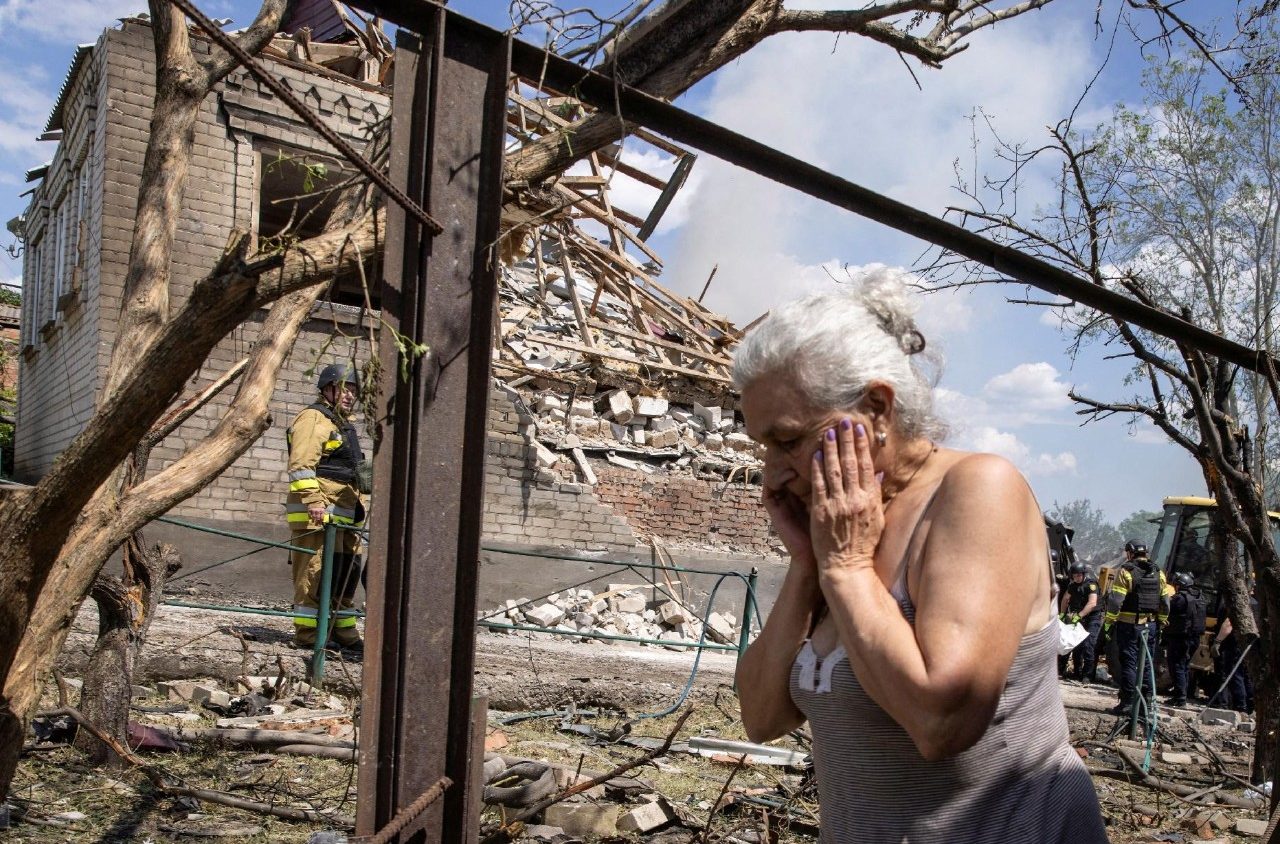
The latest diplomatic intervention from the Vatican follows a particularly violent period in the four-year-old conflict. On May 24, a mass Russian strike on the Ukrainian capital resulted in two deaths and left 87 people injured, including three children, according to reporting by The Kyiv Independent. In response to this specific wave of violence, Pope Leo XIV expressed his solidarity with the victims, emphasizing that the war’s current trajectory represents a sharp intensification of Moscow’s military objectives.
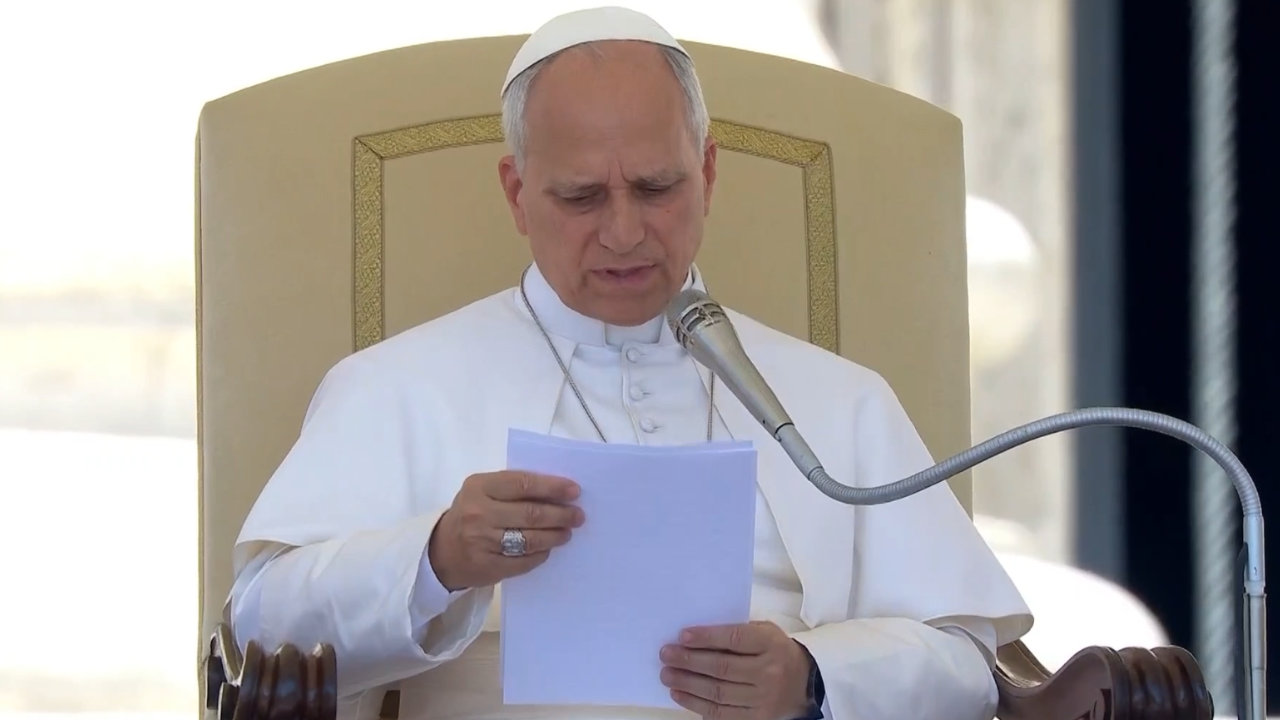
During his weekly address to thousands of pilgrims on May 27, the Pope moved beyond simple condemnation to articulate a broader moral critique of the conflict’s mechanics. As Vatican News documented, the pontiff argued that the reliance on long-range strikes against what Russia terms “decision-making centers” only serves to deepen the humanitarian catastrophe.
“Where missiles and drones fall, hopes also fall, homes and places of worship are destroyed, and innocent lives are shattered.” Pope Leo XIV, via The Kyiv Independent
This rhetoric aligns with the Pope’s consistent messaging since his elevation to the papacy last year. While he has previously offered the Vatican as a neutral ground for peace negotiations, Russian officials have consistently rejected such overtures. The Pope’s remarks reflect a growing frustration with the military stalemate, where the destruction of infrastructure—including religious sites—has become a hallmark of the recent tactical shifts.
WCC Demands for Legal Accountability
The Vatican is not the only religious body applying pressure to end the hostilities. The World Council of Churches (WCC) has intensified its own advocacy, explicitly framing the current Russian military campaign as a violation of international norms. Independent Catholic News reports that Rev. Prof. Dr. Jerry Pillay, the general secretary of the WCC, has issued a fresh appeal characterizing the violence as “unconscionable.”
Pillay’s statement carries a specific legal and moral weight, calling for accountability for what he termed the “international crime of aggression.” By invoking the need for legal consequences, the WCC is attempting to shift the narrative from one of simple humanitarian aid to one of justice and structural accountability. The organization noted that the daily threat to families and livelihoods has persisted for more than four years, creating a state of perpetual instability for churches and religious leaders operating within Ukraine.
Managing Multi-Front Pastoral Responsibilities
While the international focus remains on the war in Ukraine, Pope Leo XIV’s recent appearances highlight the complex balancing act of a global religious leader. During the same audience where he addressed the war, the Pope also turned his attention to the crisis in Lebanon, offering prayers for those suffering under new attacks in that region as well.
This multi-front pastoral focus is, according to Rome Reports, a deliberate attempt to keep global attention on “forgotten” conflicts even as the war in Ukraine experiences a resurgence in intensity. The Pope’s catechesis also touched on the internal life of the Church, urging priests to maintain liturgical traditions while adapting to modern needs—a reminder that the Vatican’s influence operates simultaneously on both the geopolitical and the spiritual levels.
The Diminishing Diplomatic Space
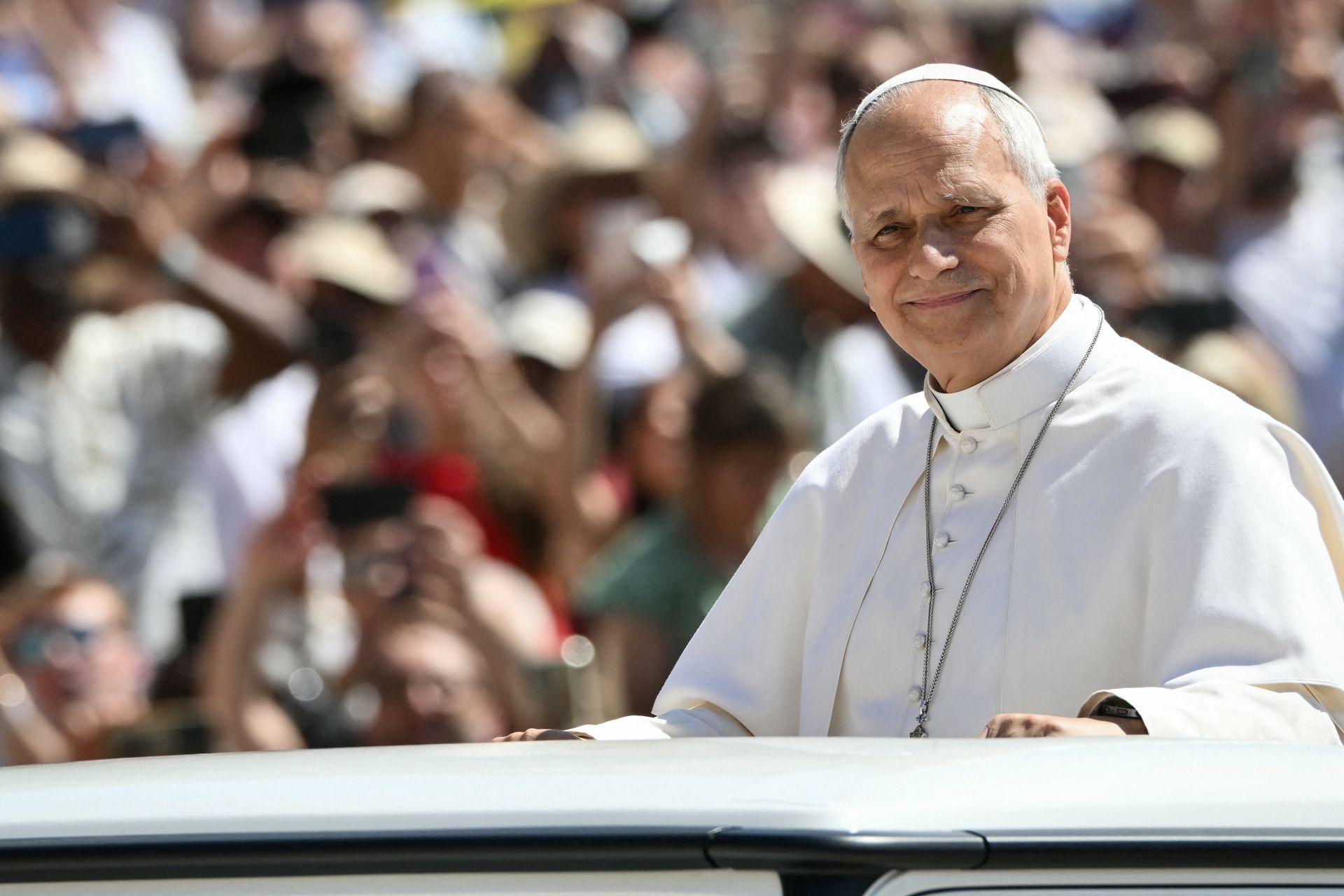
As the conflict enters this latest phase, the stakes remain high. With Moscow signaling plans for further long-range strikes, the diplomatic space for the Vatican to maneuver continues to shrink. The Pope’s recent remarks serve as a clear signal that he intends to keep the human cost of these “decision-making” strikes at the forefront of the international conversation, even as the parties to the conflict move further away from the “just and lasting peace” he has repeatedly proposed.
