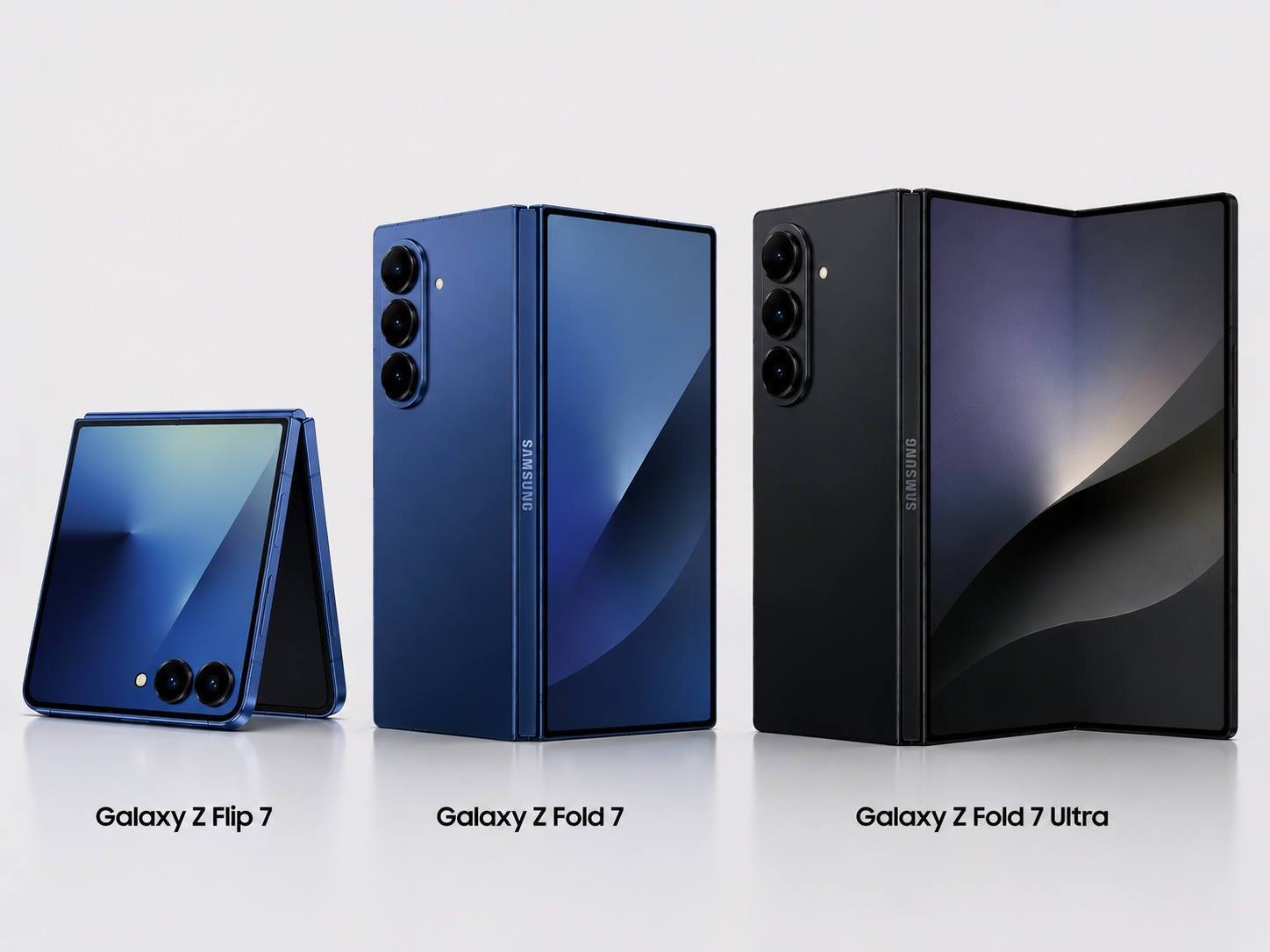
Samsung is expected to unveil the Galaxy Z Flip 8, Z Fold 8, and Z Fold 8 Ultra at an Unpacked event on July 22, 2026. Leaked screen protectors and dummy units suggest a shift toward a wider, shorter design for the standard Z Fold 8, aiming to compete directly with Apple’s rumored foldable device.
Leaked Screen Protectors Reveal Design Shifts
The latest intelligence on Samsung’s 2026 foldable lineup comes from the prominent tipster Ice Universe, who recently shared images of alleged screen protectors for the Galaxy Z Flip 8, Z Fold 8, and Z Fold 8 Ultra. According to reporting by Notebookcheck, the leaked protectors highlight a distinct differentiation strategy across the three models. The standard Galaxy Z Fold 8 appears to be moving away from the tall, narrow proportions of previous generations, shifting toward a wider, shorter form factor.
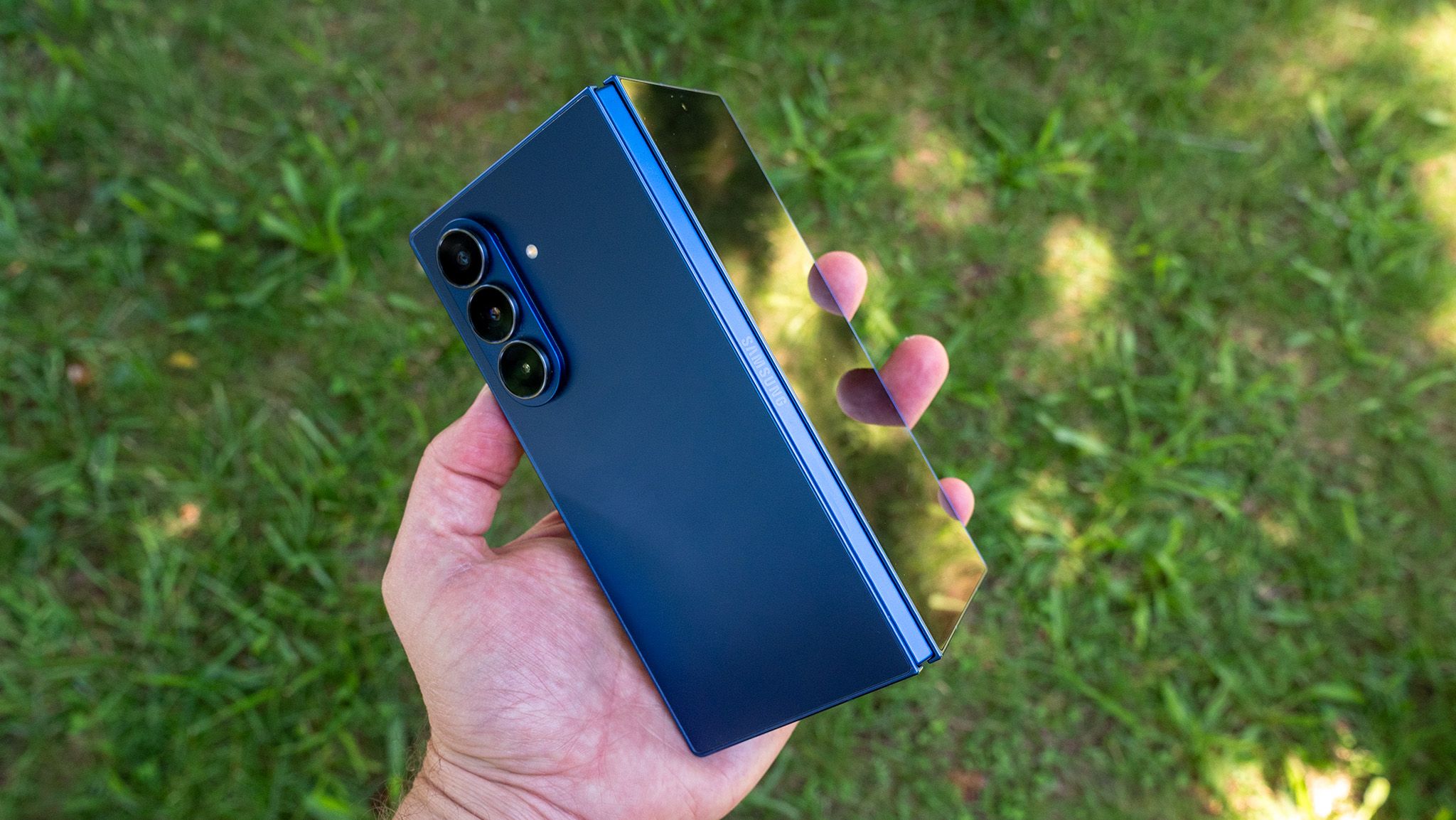
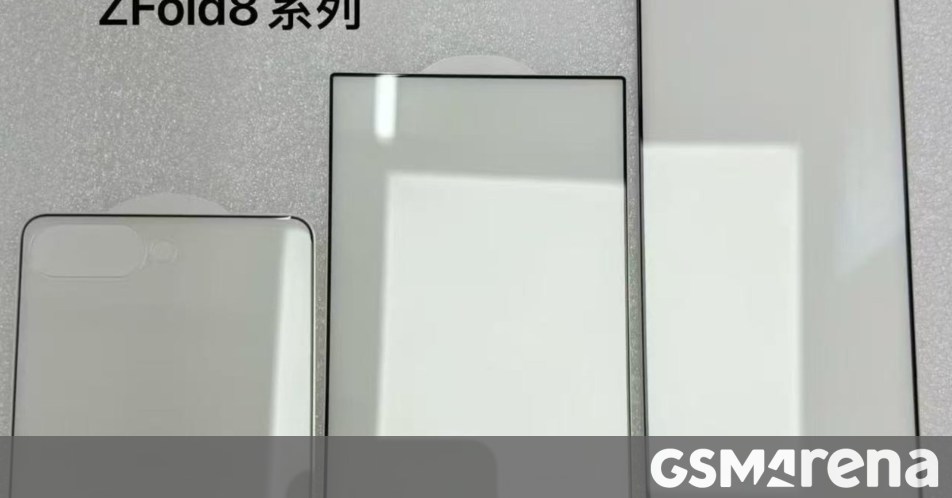
This design evolution is widely viewed as a direct response to the industry trend toward wider, book-style foldables. As noted by GSMArena.com, the leaked image clearly shows that while the Z Fold 8 Ultra retains the taller dimensions reminiscent of the Galaxy Z Fold 7, the standard Z Fold 8 is noticeably wider. Meanwhile, the Galaxy Z Flip 8 is expected to remain largely unchanged, with its cover display design mirroring the existing Z Flip 7.
The transition to a wider cover display addresses a long-standing user critique regarding the usability of Samsung’s outer screens. Historically, the Galaxy Z Fold line utilized a narrow aspect ratio that many reviewers found challenging for typing and app compatibility compared to traditional slab smartphones. By widening the chassis, Samsung is attempting to align the Z Fold 8 more closely with the ergonomics of standard flagship devices, potentially lowering the barrier to entry for users accustomed to traditional smartphone displays.
Competitive Positioning Against the iPhone Fold
Samsung’s strategic pivot to a “Wide” variant of its foldable phone is largely aimed at meeting the challenge posed by Apple’s upcoming entry into the market. As Mashable reported, industry expectations suggest Apple will unveil its first foldable device—often referred to as the iPhone Fold or iPhone Ultra—in September 2026. Rumors surrounding the Apple device point to a 7.8-inch inner display with a 4:3 aspect ratio, favoring a squatter, book-shaped design.
Samsung’s answer to this specific form factor is the rumored Galaxy Z Fold 8 Wide. Tipster Ice Universe has suggested that this model will offer a “clear advantage” in the market, particularly regarding weight and battery efficiency. Forbes reports that the Z Fold 8 Wide is expected to weigh just 201g, positioning it as lighter than both the Galaxy S26 Ultra and the Huawei Pura X Max.
This push for weight reduction is a critical frontier in foldable technology. As internal components—such as batteries, hinges, and camera sensors—add mass, manufacturers have faced difficulties maintaining the “pocketability” that consumers expect. By targeting a 201g weight point, Samsung is attempting to prove that a foldable device does not necessarily need to feel significantly heavier or bulkier than a standard high-end glass-and-metal smartphone.
Hardware Specifications and the Ultra Variant
While the standard Z Fold 8 targets the wide-format market, the Galaxy Z Fold 8 Ultra is being positioned as the “true” successor to the Z Fold 7. Android Central notes that the Ultra model will retain the established tall dimensions, three rear cameras, and high-end specs. Despite being slightly thinner than its predecessor at 4.1mm when unfolded, the Ultra is expected to house a larger 5,000mAh battery.
The hardware differences between the two models are substantial. According to Forbes, the Z Fold 8 Ultra will support 45W fast charging, a significant jump from the 25W speeds found in previous iterations. The standard Z Fold 8, by contrast, is rumored to feature a smaller battery and a dual-camera setup to accommodate its slimmer, wider frame.
The inclusion of 45W charging in the Ultra model represents a shift in Samsung’s power management philosophy. For years, the company maintained conservative charging speeds to prioritize battery longevity and thermal stability. However, as competitors in the foldable space increasingly offer faster charging solutions to mitigate the high power consumption of large, foldable OLED panels, Samsung is adjusting its hardware capabilities to ensure its premium offering remains competitive in power-hungry scenarios, such as multitasking and high-refresh-rate gaming.
Pricing and Market Outlook
The transition to a multi-size foldable strategy comes at a time of intense pricing sensitivity for Samsung. While specific launch pricing has not been confirmed, market speculation places the upcoming devices in a premium tier. As noted by Mashable, previous reports have suggested that foldable devices could command prices between $2,000 and $2,500.

Samsung is betting that its refined design process—which successfully produced the ultra-slim Z Fold 7—will provide the necessary market edge. With the July 22 launch date approaching, the tech industry is watching to see if the company can successfully balance the “Ultra” spec-heavy approach with the new “Wide” form factor. For consumers currently in the market, analysts suggest waiting for the official Unpacked event rather than rushing into a purchase, as the rumored hardware changes represent a significant departure from the incremental updates seen in previous years.
The success of this strategy will likely depend on how effectively Samsung communicates the benefits of two distinct foldable categories to potential buyers. Traditionally, consumers have viewed the Fold series as a monolithic product line. By diversifying into a “Wide” standard model and a spec-focused “Ultra,” Samsung is attempting to mirror the market segmentation it has successfully employed with its Galaxy S-series, where the “Ultra” model serves as a halo product for power users while the standard models target a broader, more mainstream audience.
Find more reporting in our Technology section.
