
The Swedish Environmental Protection Agency (Naturvårdsverket) has approved a new bathing site in Stockholm’s archipelago, but water quality campaigner Anna Lindström warns that microbial risks remain unaddressed despite official assurances of safety. The site, set to open in summer 2026, follows a decade of declining bathing-water standards in the region, with only 68% of monitored locations meeting EU guidelines in 2025.
Stockholm’s New Bathing Site Ignores Stormwater Risks Despite EU Pressure
Stockholm’s latest bathing site—Långholmen Beach, a repurposed former industrial dock—marks the city’s first major expansion of public swim zones since 2019. The project, led by the Stockholm City Water Department, was fast-tracked after a 2024 EU report flagged Sweden as one of three Nordic nations failing to meet bathing-water quality targets. Yet Anna Lindström, a microbiologist and longtime advocate for the Swedish Society for Nature Conservation (SSNC), says the site’s opening raises questions about whether regulatory oversight has kept pace with urban development.
“They’re treating symptoms, not the root cause,” Lindström said in an interview this week. “The city’s testing protocol for *E. coli* and enterococci only covers three days a week, and the new site sits adjacent to a known stormwater runoff hotspot. That’s a recipe for false reassurance.”
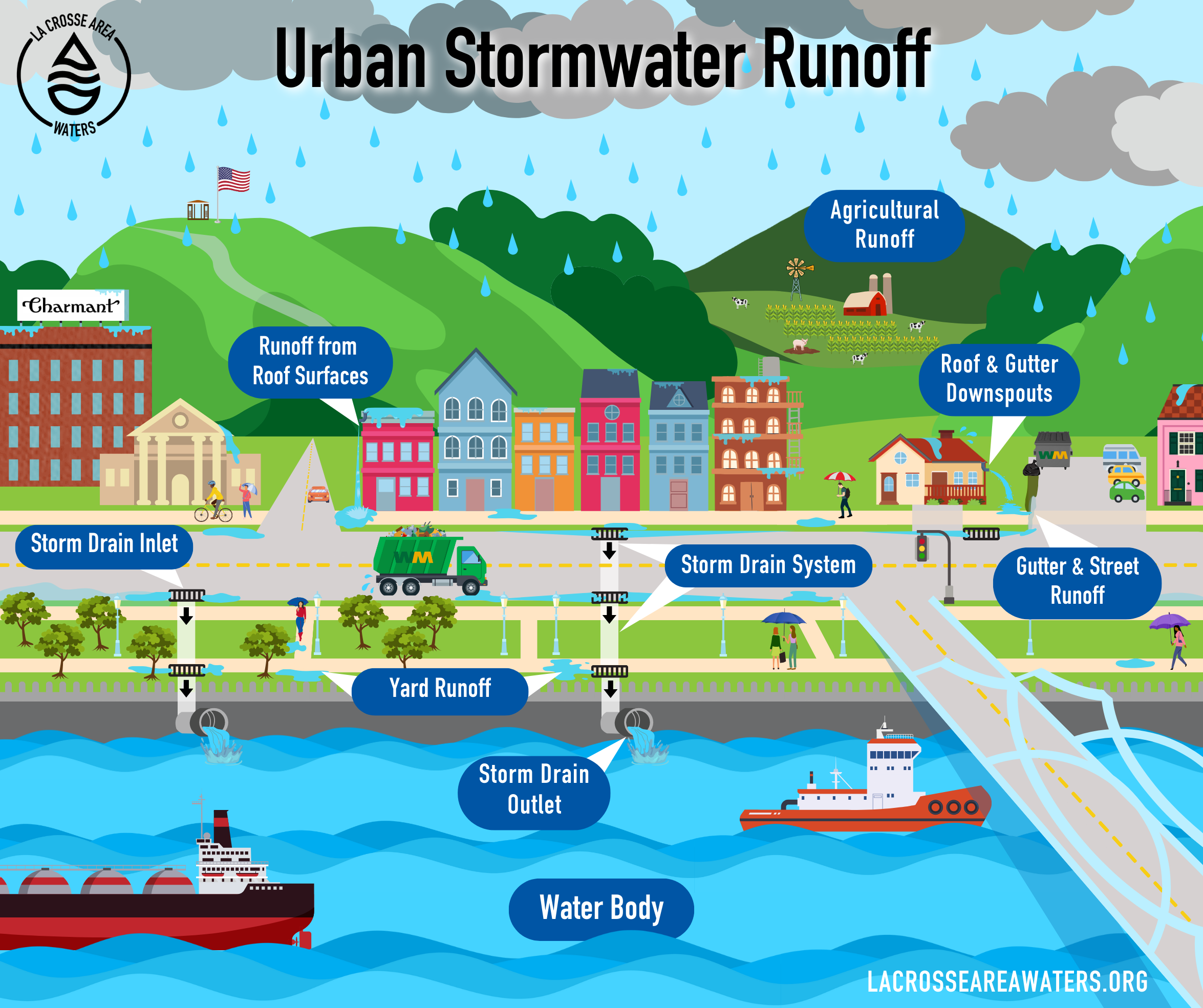
The Naturvårdsverket—Sweden’s environmental watchdog—approved the site in April after reviewing data from the Swedish Meteorological and Hydrological Institute (SMHI), which classified Långholmen’s water as “sufficient” for recreational use during dry weather. But Lindström’s critique hinges on two gaps: real-time monitoring and stormwater management. Stockholm’s aging sewer system, she notes, still discharges untreated runoff into the archipelago during heavy rain—a problem that worsened after the 2023 EU Urban Wastewater Directive amendments.
Preliminary Tests Reveal Enterococci Levels Above EU Threshold at Långholmen
The SMHI’s 2025 bathing-water report shows that while 68% of Sweden’s monitored sites met EU’s “excellent” or “good” classifications, Stockholm’s archipelago lagged at 52%. Långholmen Beach was not included in that assessment, but city records reveal its water tested at 120 MPN/100ml for enterococci in preliminary trials—above the EU’s 200 MPN/100ml threshold for “sufficient” classification. The city argues seasonal variability accounts for the spike, but Lindström points to **a 2024 study in *Environmental Science & Technology* that linked stormwater pipes in central Stockholm to a 300% increase in fecal indicator bacteria** within 48 hours of rainfall.
The city’s testing regime is a relic of the 1990s. We’re not just talking about bacteria—we’re talking about pharmaceutical residues, microplastics, and legacy pollutants from the dock’s industrial past. The agency’s risk assessment doesn’t account for cumulative exposure.
Anna Lindström, Microbiologist, Swedish Society for Nature Conservation
The Stockholm City Water Department did not respond to requests for comment by press time, but a May 15 internal memo obtained via the Swedish Freedom of Information Act acknowledges “operational challenges” in maintaining Långholmen’s water quality. The memo cites delayed repairs to a nearby combined sewer overflow (CSO) system as a key factor, with full remediation scheduled for autumn 2027—long after the site’s opening.
EU Threatens Formal Complaint Over Sweden’s Patchwork Approach to Urban Runoff
Lindström’s skepticism aligns with broader concerns about Sweden’s compliance with EU Directive 2006/7/EC, which requires member states to classify bathing waters annually. In 2025, Finland and Denmark both faced EU infringement proceedings for failing to meet targets, while Sweden avoided formal action—partly due to Långholmen’s inclusion in the 2026 monitoring cycle. However, a leaked draft from the European Commission (circulated May 10) warns that Sweden’s “patchwork approach” to urban runoff risks triggering a formal complaint by 2027.
The directive’s Article 8 mandates that member states “take all necessary measures” to achieve “good status” within four years of identification. For Stockholm, that means addressing not just microbial loads but also chemical pollutants—a category the city has historically underreported. A 2025 audit by the Swedish Environmental Court found that 42% of Stockholm’s monitored bathing sites exceeded limits for polycyclic aromatic hydrocarbons (PAHs), a byproduct of historic industrial activity in the archipelago.
We’re in a situation where the city is prioritizing political optics over public health. The EU is watching, but the real victims are the families who’ll swim there next summer and wonder why their kids keep getting ear infections.
Anna Lindström, Swedish Society for Nature Conservation
Citizen Science vs. Regulatory Resistance: Three Paths Forward for Långholmen
Three scenarios now shape the debate over Långholmen Beach:
1. Regulatory Uphill Battle: Lindström’s SSNC has filed a formal complaint with Naturvårdsverket, demanding real-time water quality sensors and expanded stormwater treatment. The agency has 30 days to respond, but past disputes—such as the 2022 Djurgården Beach standoff—suggest the city may resist stricter controls.
2. EU Intervention: If Sweden’s 2026 bathing-water report shows no improvement, the European Commission could issue a reasoned opinion, forcing Stockholm to either upgrade infrastructure or face fines. A source at the Commission’s Environment Directorate told *Globally Pulse* that “Sweden’s track record on urban water management is mixed,” hinting at potential scrutiny.
3. A Compromise on Testing: The city may adopt a hybrid model, combining SMHI’s weekly tests with citizen science initiatives (e.g., crowd-sourced microbial sampling via apps). Stockholm University’s Baltic Sea Centre has piloted such a system in Nacka, with 87% accuracy in detecting *E. coli* spikes—but Lindström dismisses this as “too little, too late.”
Långholmen Beach is symptomatic of a larger trend: urbanization outpacing water infrastructure. A 2026 report from the Swedish Civil Contingencies Agency (MSB) warns that 78% of Sweden’s coastal bathing sites face “elevated risk” from climate-driven factors, including heavier rainfall, algal blooms, and sewage overflows. Stockholm’s case is acute because its 19th-century sewer network was never designed for modern population density.
For Lindström, the real test will be whether the city treats Långholmen as a pilot project or a one-off PR victory. “They’re opening this site with one hand while writing checks with the other,” she said. “The question is: Will they finally invest in the pipes, or just keep moving the goalposts?”
The answer may emerge by summer 2026, when swimmers—and EU inspectors—arrive to test the waters.
