Is Intel’s (INTC) AI-Ready Classroom Push Quietly Reshaping Its Long-Term PC Strategy?
Intel is positioning AI PCs as repeatable infrastructure for classrooms to drive endpoint demand and hardware replacement cycles in education.
- Headline Dispatch: Is Intel’s (INTC) AI-Ready Classroom Push Quietly Reshaping Its Long-Term PC Strategy?
- Core Takeaway: Intel is positioning AI PCs as repeatable infrastructure for classrooms to drive endpoint demand and hardware replacement cycles in education.
- Source Synthesis: Continuous live monitoring aggregated across major news wires and independent bureaus.
Is Intel’s (INTC) AI-Ready Classroom Push Quietly Reshaping Its Long-Term PC Strategy?
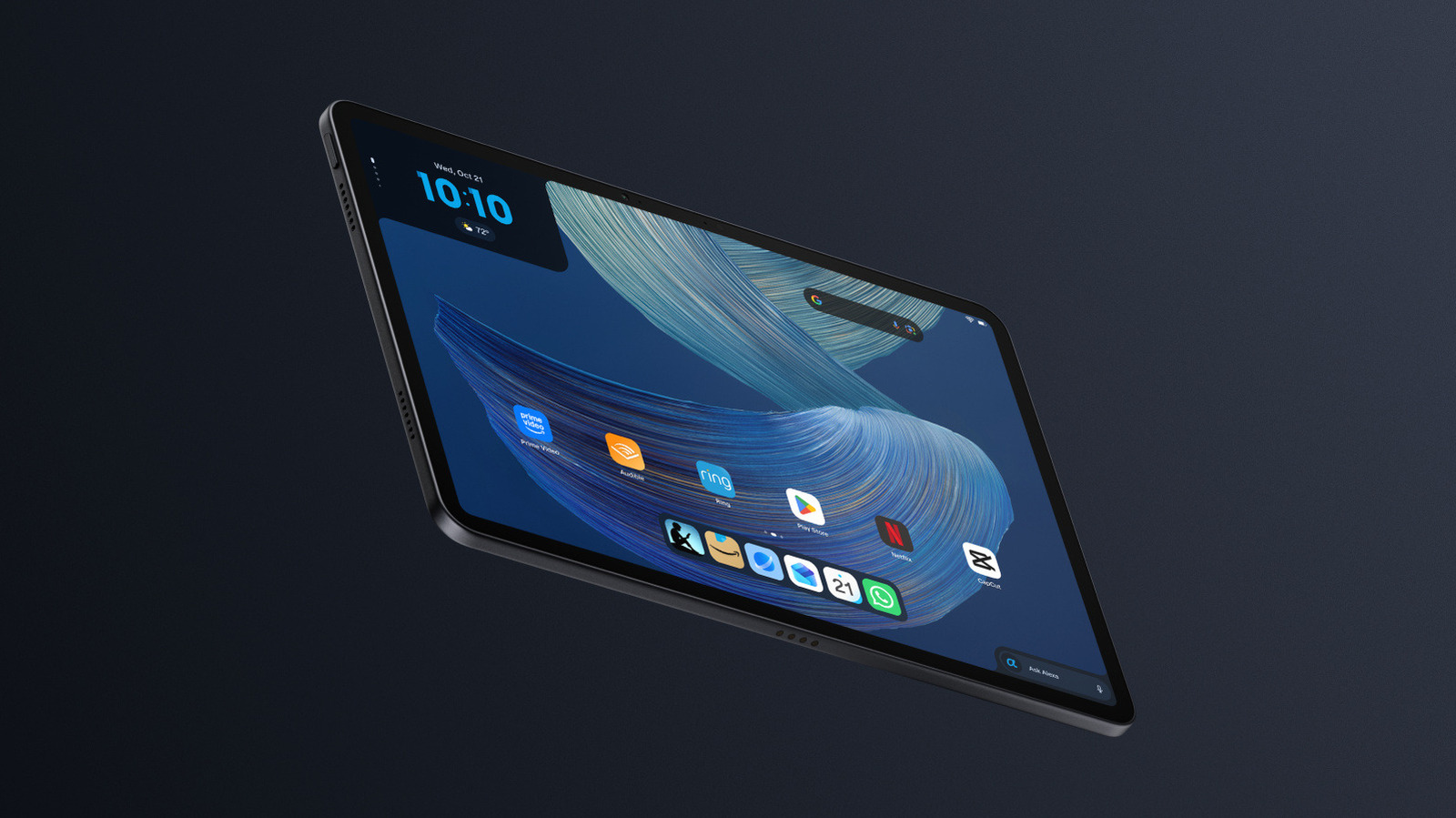
Intel and ASUS have shifted their focus toward the practical integration of AI in K-12 education, debuting an "AI-ready education ecosystem" at ISTE+ASCD 2026 in Orlando. Rather than presenting a single flagship device, the companies showcased an integrated stack of hardware including rugged student laptops, ExpertBook teacher devices, ExpertCenter desktops, Chromebooks, and NUC mini PCs. The lineup also features the new Chromebox 6a, powered by 14th Gen Intel Core processors.
This push into the classroom represents a strategic effort by Intel to move AI adoption from trade-show demonstrations into daily-use infrastructure. By emphasizing on-device AI processing and Copilot+ capable NUCs, Intel aims to keep sensitive K-12 data local, addressing the privacy concerns and standardization goals of school districts.
Infrastructure Over Innovation
For school IT teams, the appeal of this ecosystem lies in simplified management and durability rather than raw performance. The Chromebox 6a, for instance, is designed with simplified IT management systems to reduce overhead and ease fleet deployment. According to ASUS, this approach focuses on the total cost of ownership, making devices easier to image and maintain across multi-year replacement cycles.
The strategy aligns with Intel's broader goal of expanding endpoint demand. While cloud-centric AI spending has dominated the market, Intel is positioning AI PCs as "unglamorous, repeatable infrastructure." The company is supporting this transition with Panther Lake, a chip pitched for its performance per watt to ensure battery life and acoustics do not degrade during AI tasks.
However, adoption faces financial hurdles. ASUS noted that AI PCs may cost more than current mainstream PCs, which could limit uptake in districts with tight budgets. Success for Intel depends on whether these devices drive actual hardware replacements or simply add a higher specification to a sheet without triggering new purchase orders.
Leadership and Operational Overhaul
This hardware push arrives amidst a significant leadership transition. Semiconductor veteran Craig H. Barratt is set to become the new independent board chair following the retirement of Frank D. Yeary. Additionally, Lip-Bu Tan has implemented a "smart efficiency" philosophy to accelerate product development. Under Tan, Intel reduced decision-making layers from 7 to 3, which has reportedly accelerated product development cycles by 40%.
Internal shifts include a redirection of 60% of R&D resources toward AI-focused projects and the creation of "Intel Innovation Labs" for prototyping. These changes have correlated with a 40% increase in patent filings and a 35% growth in AI-related revenue streams.
The Broader AI Ecosystem
Intel is attempting to position itself as a core AI infrastructure supplier across multiple tiers:
- Enterprise and Telecom: Intel has partnered with Infosys for large-scale enterprise AI deployments and with Ericsson to develop AI-native 6G networks that integrate machine learning into telecom infrastructure.
Financial Outlook and Risks
Despite these technological strides, Intel's financial narrative remains complex. Q1 results showed revenue of $13.6 billion, a 7% increase, but GAAP EPS stood at $(0.73). The company's long-term projections for 2029 include $74.6 billion in revenue and $10.5 billion in earnings, which would require 11.6% yearly revenue growth.
Some optimistic analysts have projected higher figures, estimating revenue of about US$89.9 billion and earnings of US$16.2 billion by 2029. However, these targets are contingent on the execution of the costly foundry build-out and the ability to win external customers. Current risks include potential delays on advanced nodes and the possibility that high AI expectations are already reflected in the stock price.
The next critical milestones for the PC strategy involve the launch of a new AI PC from ASUS next year in coordination with Microsoft, with a new version of Windows expected by the end of next year's second quarter.
How significant is this development?
Participate in our community survey on the trajectory and real-world impact of this news.