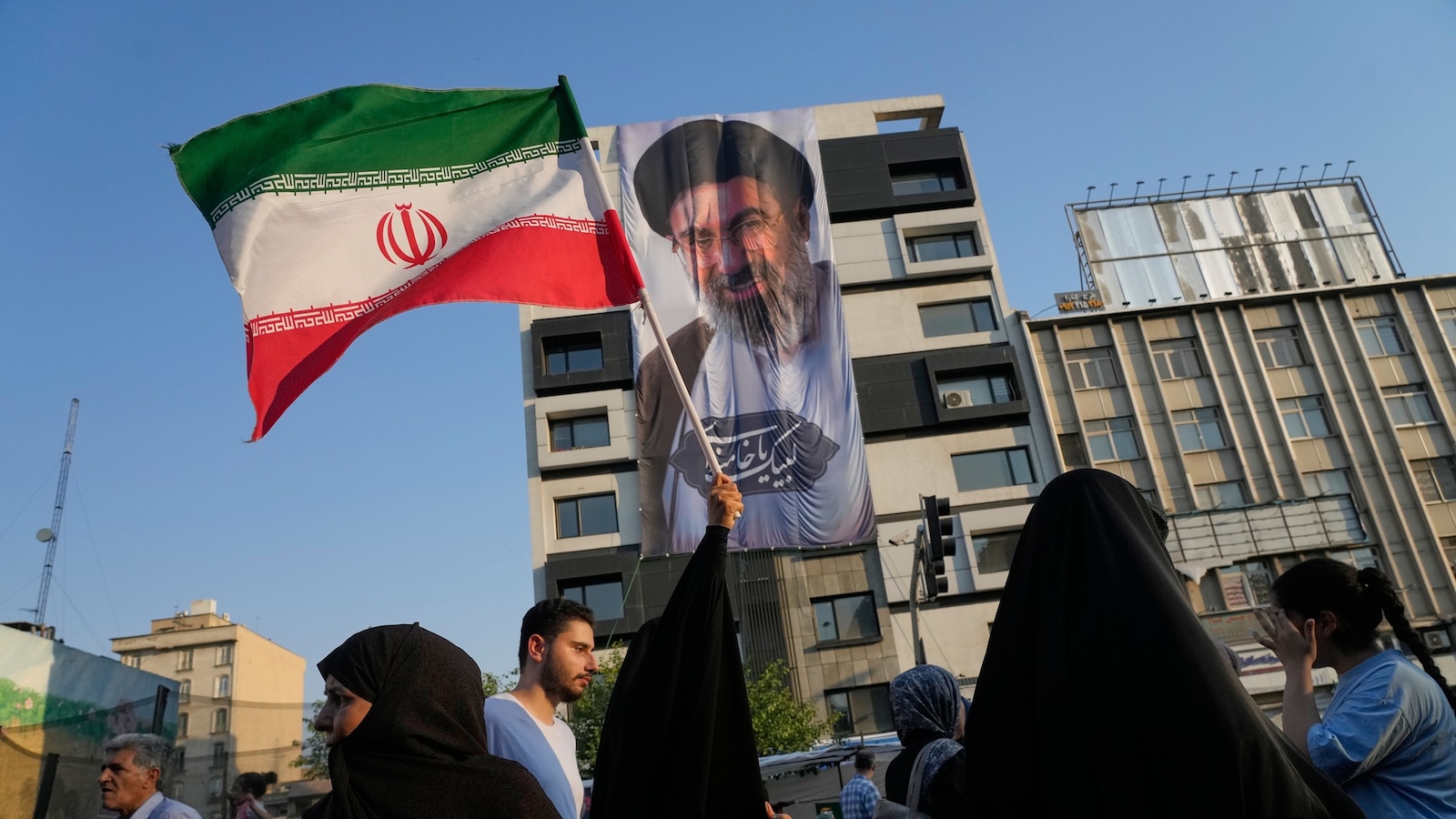
Pakistan’s Prime Minister Shehbaz Sharif said a deal to end the Iran war is “closer than ever” and expected to be finalized within 24 hours, while U.S. President Donald Trump claimed the agreement “is scheduled to get signed tomorrow,” according to AP. Iran’s foreign ministry denied the timeline, stating no signing would occur Sunday, creating a tense standoff over the potential resolution of a conflict that has disrupted global energy markets and raised fears of renewed warfare.
Conflicting Timelines on the Deal
The U.S. and Iran have repeatedly approached a breakthrough in their decades-old conflict, but this latest round of negotiations has drawn heightened scrutiny. Pakistani Prime Minister Shehbaz Sharif, who has facilitated backchannel talks, told reporters Saturday that the agreement would be electronically signed “within 24 hours,” with technical discussions to follow. However, Iran’s foreign ministry spokesperson Esmaeil Baqaei clarified that no formal signing was planned for Sunday, though the possibility remained open for the coming days. ABC reported Trump’s assertion that the deal would be signed “tomorrow,” a claim that Iran’s officials have yet to confirm.

The discrepancy highlights the fragile nature of the negotiations. Previous declarations of an imminent breakthrough have failed to materialize, with both sides wary of ceding too much ground. The U.S. and Israel have long accused Iran of developing nuclear weapons, a claim Tehran denies, while Iran has criticized Western sanctions and the U.S. military presence in the region. The latest proposal reportedly includes a 60-day period to address Iran’s nuclear program, with the U.S. seeking to dismantle its highly enriched uranium stockpiles. AP cited a U.S. administration official who said the 60-day window would focus on technical details for removing uranium from three sites damaged by U.S. strikes.
Nuclear Program and Strait of Hormuz
A central provision of the deal involves the reopening of the Strait of Hormuz, a critical shipping lane for global oil and gas. Iran has imposed a toll system during the war, which the U.S. and other nations argue violates international law. AP reported that the agreement would allow Iran to charge “for services rendered” when ships transit the strait, a concession that could ease tensions but also raise concerns about economic leverage. The U.S. official also noted that the deal might include phased sanctions relief for Iran, including the release of frozen assets, though details remain unclear.
The potential deal comes amid renewed hostilities. Earlier in the week, Iran exchanged fire with the U.S. and Israel, threatening to push the region back into a full-scale war. The conflict, which began in February 2024, has virtually shut down oil and natural gas shipments from the Persian Gulf, driving up global fuel prices and disrupting supply chains. A fragile ceasefire has been in place since April 7, but the recent clashes have cast doubt on its longevity.
International Response and Sanctions
The U.S. and its allies have condemned Iran’s recent actions, including a campaign of attacks across Europe targeting Jewish communities, Iranian journalists, and U.S. interests. A joint statement from 21 countries, including the U.S., UK, Australia, and several European nations, called on Iran to halt its “lethal plotting and other malign actions.” CBS reported that the statement specifically criticized Iran’s Revolutionary Guard Corps and its Quds Force for supporting groups like Harakat Ashab al-Yamin al-Islamiya, which has claimed responsibility for attacks on Jewish communities in the UK and Europe. The group’s representative told CBS that they would “keep threatening U.S. and Israeli interests worldwide until we’ve avenged every child in Gaza, Iran, Lebanon, and the resistance nations.”
Germany and Spain, which have had diplomatic friction with the U.S. over the war, did not sign the joint statement. This omission underscores the complex geopolitical dynamics at play. Meanwhile, Iran has insisted that any deal must include a ceasefire in Lebanon, where Israel has been fighting the Iranian-backed Hezbollah militant group. The inclusion of Lebanon in the negotiations adds another layer of complexity, as it could require coordination with multiple regional actors.
What Comes Next?
The next 24 hours will be critical in determining whether the deal moves forward. If signed, the agreement could mark a turning point in the conflict, but its success will depend on the willingness of both sides to adhere to its terms. The 60-day nuclear program review period and the reopening of the Strait of Hormuz are likely to be contentious points, with each side seeking to protect its interests. AP noted that the U.S. official did not specify who would oversee the removal of Iran’s uranium, raising questions about implementation.
For now, the focus remains on the timeline. Trump’s assertion that the deal “will be signed tomorrow” contrasts with Iran’s more cautious stance, creating uncertainty about the next steps.
Find more reporting in our World section.
