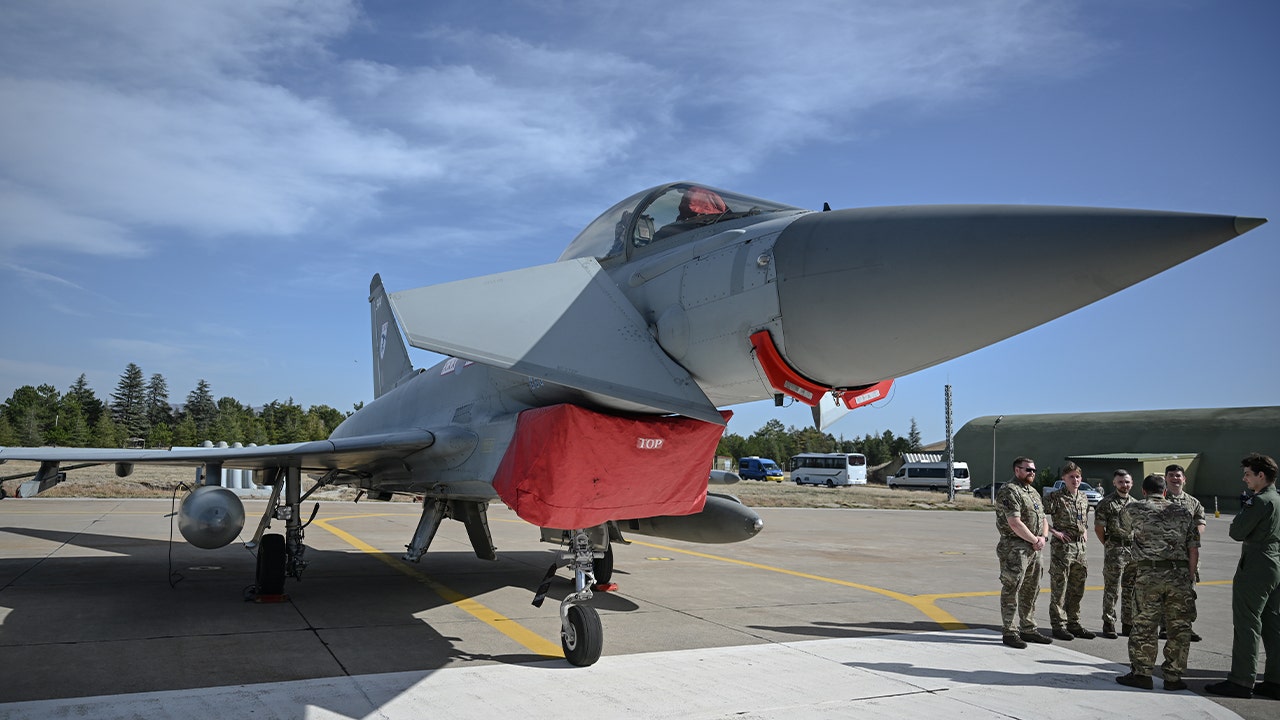
UK Defence Secretary John Healey resigned on Thursday, March 11, 2026, after accusing Prime Minister Keir Starmer’s government of failing to provide the funding necessary to meet escalating security threats from Russia, Iran, and China. The departure follows a private dispute over the UK’s potential involvement in a Canadian-led international defence investment bank.
Funding Disputes and the Defence Investment Plan
The resignation centers on a significant gap between the government’s proposed spending and the requirements outlined by military officials. According to reporting by Fox News, Healey argued that the government’s upcoming Defence Investment Plan was insufficient to maintain the necessary personnel, stockpiles, and industrial capacity. While Number 10 and the Treasury were reportedly prepared to provide an additional £10bn for the plan, this amount was estimated to be £18bn less than what military leadership had requested, Yahoo News reported.
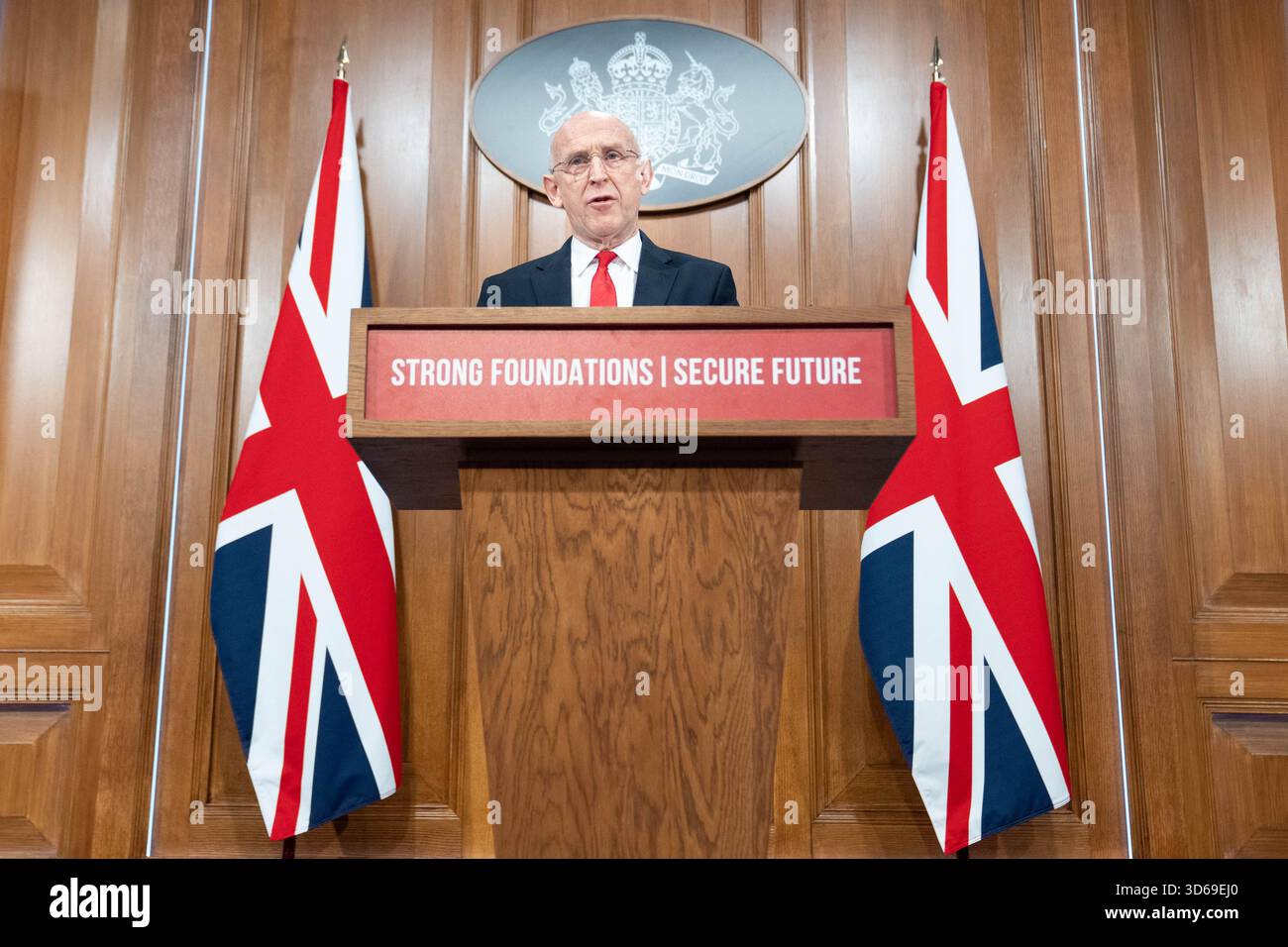
In a formal resignation letter, Healey stated that the nation’s current trajectory would leave Britain’s armed forces ill-equipped for a “new era for defence.” He specifically criticized a funding plan that he estimated would reach only 2.68% of gross domestic product by 2030, falling short of his target of 3%. “Since then, you have been unable, and the Treasury has been unwilling, to commit the resources that the nation needs to defend the country at this time of rising threats,” Healey wrote in his resignation letter, as cited by Fox News.
The debate over the 3% GDP target reflects a long-standing tension in British politics regarding the balance between fiscal responsibility and the maintenance of a global military footprint. Following the 2014 NATO Wales Summit, member nations pledged to move toward spending 2% of GDP on defence by 2024. In the years since, the UK has consistently met or exceeded this baseline. However, the 3% threshold has emerged as a focal point for security hawks who argue that the current geopolitical environment—characterized by the ongoing conflict in Ukraine and heightened tensions in the Indo-Pacific—requires a level of investment similar to Cold War-era levels.
The Conflict Over the Defence, Security and Resilience Bank
Beyond the domestic budget, Healey had been privately advocating for the UK to join the Defence, Security and Resilience Bank (DSRB), a project spearheaded by Canadian Prime Minister Mark Carney. The bank is designed to help member nations fund defence projects through low-cost lending and credit guarantees. Membership would require an upfront investment of approximately £870m, a cost the Treasury was reportedly unwilling to authorize.
As AOL reports, supporters of the DSRB hope the initiative will stabilize the defence supply chain, but some Whitehall officials have expressed concern that the model primarily benefits smaller economies with lower credit ratings. Despite these reservations, a group of defence-focused Labour MPs had been lobbying for the UK to join the project for months. Treasury sources indicated that Chancellor Rachel Reeves had been exploring alternative multinational funding arrangements, including potential discussions with Poland regarding a “Multi-Lateral Defence Mechanism.”
For more on this story, see Armed Forces Minister Resigns Amid Escalating Defence Funding Disputes.
The reluctance from the Treasury highlights the challenges inherent in modern defence procurement. In the UK system, the Ministry of Defence operates under a budget set during comprehensive spending reviews, which are subject to negotiation with the Treasury. These negotiations often pit the immediate fiscal constraints of the national budget against the long-term, capital-intensive requirements of major procurement programs, such as the maintenance of the nuclear deterrent or the acquisition of next-generation fighter aircraft.
Political Fallout and National Security Implications
The resignation arrives at a volatile time for the Labour government, which is already managing internal dissent and electoral setbacks. Major Andrew Fox, a senior associate fellow at the Henry Jackson Society, suggested the move signals a deeper crisis in how the UK approaches its security commitments. “The Government cannot warn about Russia, Iran and China, then produce a Defence Investment Plan that leaves the Armed Forces short of the money, people, stockpiles and industrial capacity needed to meet that threat,” Fox told Fox News.
“For Keir Starmer, this is now a test of seriousness. A Defence Secretary resigning over national security tells our allies, our enemies and our own troops that Britain’s defence ambitions are not being properly funded.”
Major Andrew Fox, senior associate fellow at the Henry Jackson Society, via Fox News
The timing of the resignation is particularly sensitive given the upcoming NATO summit. NATO summits serve as the primary venue for member states to align on security strategy and burden-sharing agreements. The UK has historically positioned itself as one of the alliance’s leading military powers, and any perceived wavering in its commitment to funding can have diplomatic repercussions. The resignation creates a vacancy in a critical cabinet post just as the government is expected to present a unified front regarding its future military contributions to European security.
Prime Minister Keir Starmer addressed the situation on Friday, June 12, 2026, telling the BBC that he had made “hard-edged” choices regarding the national budget, which included requesting cuts from other government departments to prioritize defence spending. However, with the Defence Investment Plan yet to be finalized, the resignation places immediate pressure on the government to justify its fiscal strategy before the upcoming NATO summit, where member nations are expected to finalize new commitments to burden-sharing.
The departure of a Defence Secretary is a rare occurrence in British politics, often signaling a fundamental breakdown in the relationship between the Prime Minister and the department responsible for the nation’s security. As the government moves to appoint a successor, the focus remains on whether the administration will alter its fiscal path or maintain the current trajectory, a decision that will likely shape the UK’s defence posture for the remainder of the decade.
Find more reporting in our World section.
