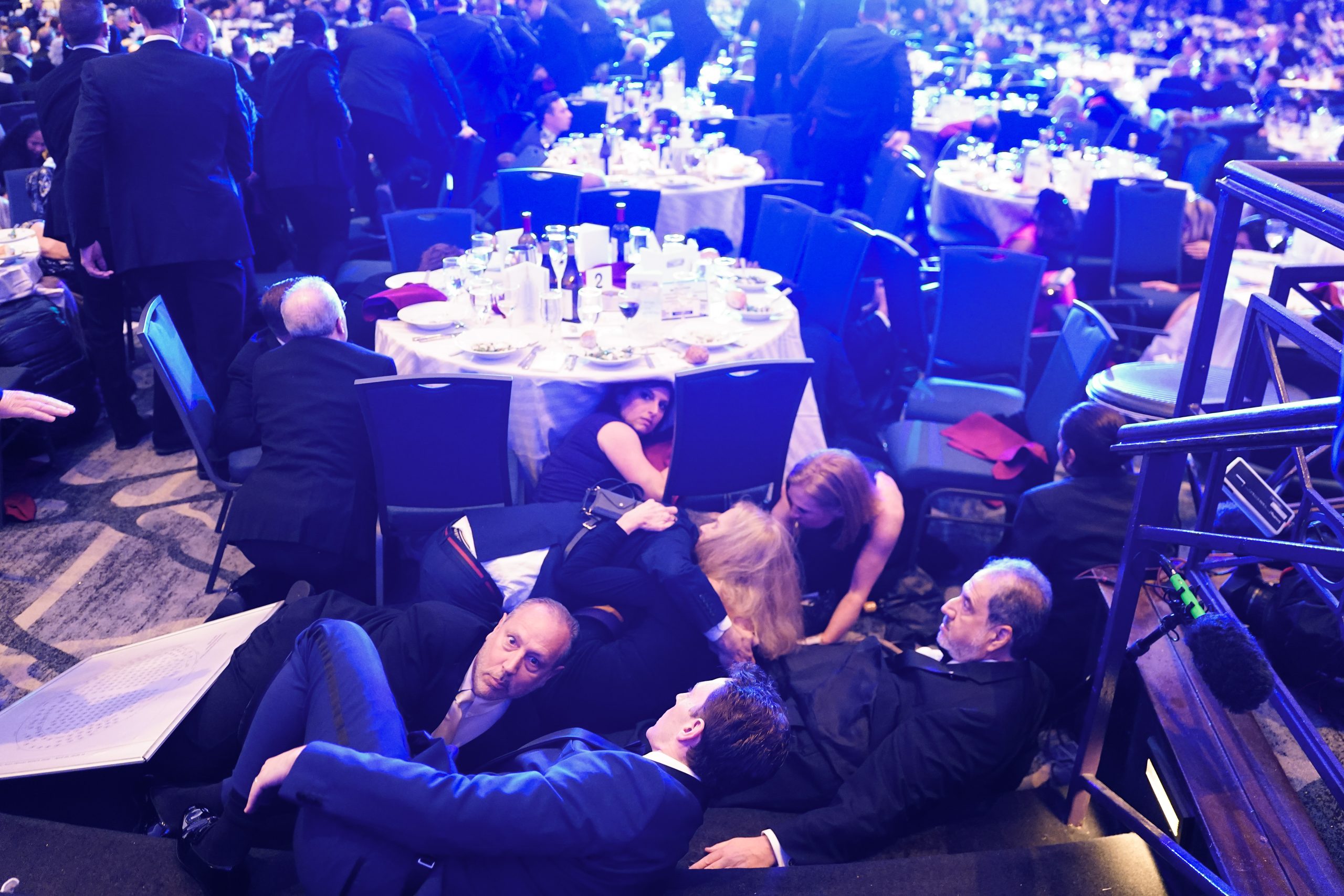
President Donald Trump has confirmed he will speak at the rescheduled White House Correspondents’ Association dinner on July 24, following a chaotic April event where a suspect opened fire near the venue, according to NBC News. The dinner, originally held at the Washington Hilton, was abruptly cut short when Cole Tomas Allen, 24, stormed a security checkpoint with guns and knives, shooting a Secret Service officer who was struck once in a bullet-resistant vest. The incident prompted the White House Correspondents’ Association (WHCA) to announce a new event with “significantly enhanced safety measures” and “new access procedures,” as stated by WHCA President Weijia Jiang in a letter to members NBC4 Washington.
The Incident That Shook the Dinner
The April 25 event at the Washington Hilton turned violent when Allen, who later pleaded not guilty to attempting to assassinate Trump, ran through a security checkpoint with a shotgun and knives. A Secret Service officer was injured but survived, and Allen was subdued after firing five shots without hitting anyone. Jiang emphasized the WHCA’s commitment to “not allow an act of violence to have the last word,” framing the rescheduled dinner as a reaffirmation of press freedom and resilience. “Our thoughts remain with the officer who was injured and with everyone who experienced that evening,” she wrote NBC4 Washington.
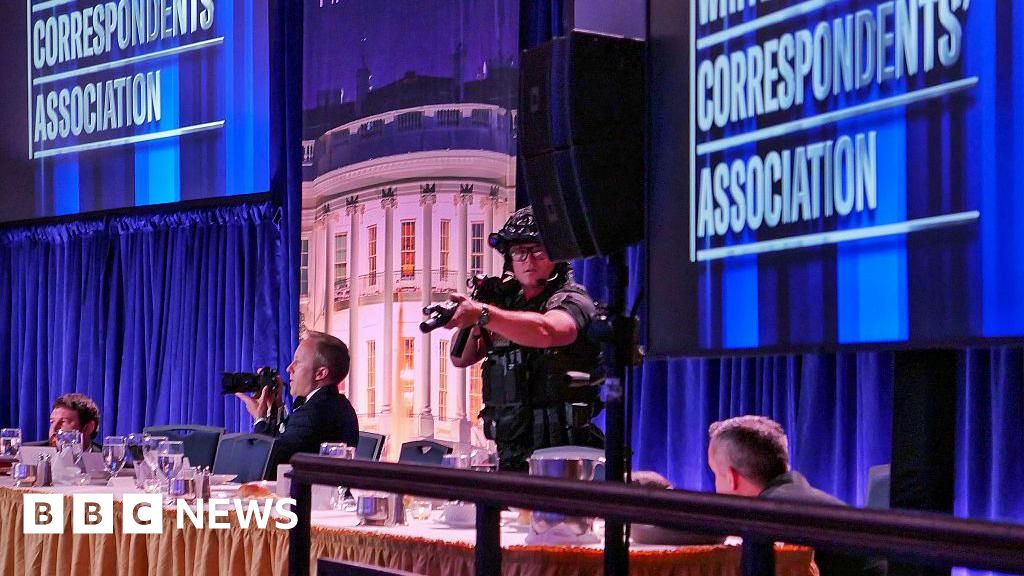
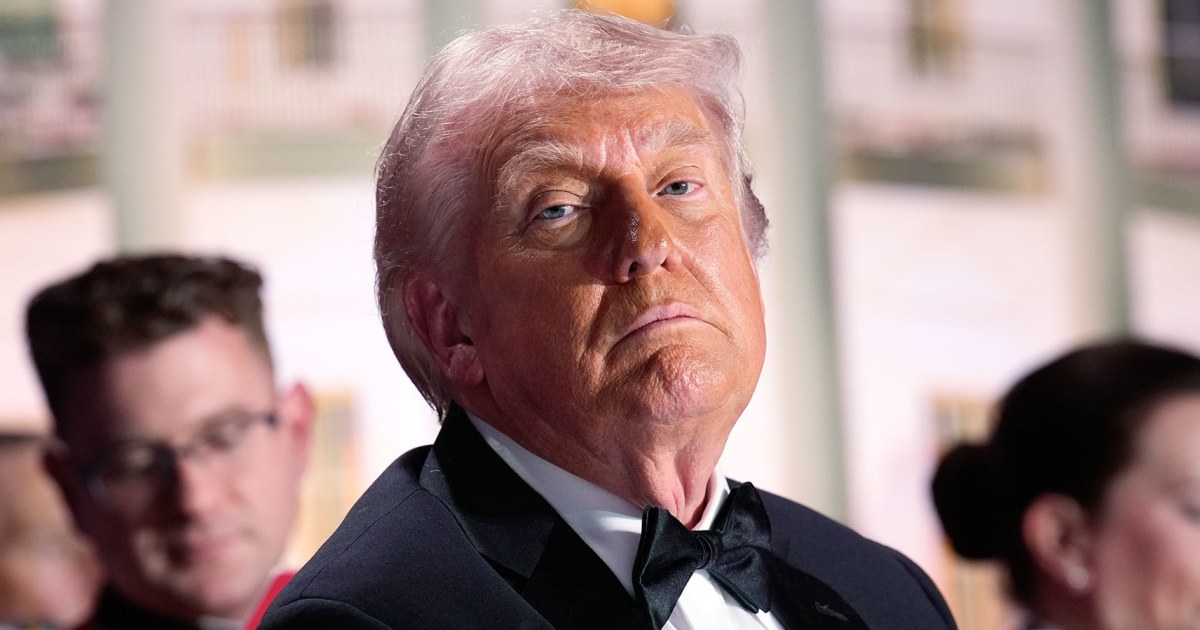
Trump’s decision to attend the July event was announced via Truth Social, where he wrote, “I don’t know whether or not I will give the same rather nasty statements, at least as it concerns certain people, but we will soon find out. In any event, it will be a ‘HOT’ ticket!” His participation underscores the event’s symbolic importance, even as security concerns dominate the planning. The new dinner will take place at the Waldorf Astoria, a venue with a complex history tied to Trump: the Trump Organization converted the building from a post office into a luxury hotel in the early 2010s, leasing it until 2022 BBC.
The Rescheduling Decision: A Deliberate Choice
The WHCA’s decision to reschedule the event was not automatic, according to Jiang, who noted the board made the choice “after thoughtful consideration and input from our members.” The association has pledged to cover costs for attendees who purchased tickets for the original April event, ensuring they can participate in the July gathering without financial burden. Additionally, scholarship winners and journalism award recipients will receive travel support, reflecting the WHCA’s focus on recognizing “the hard work and dedication to reporting” WHCA.
The new dinner will be “a more intimate gathering,” though details about programming and venue specifics remain pending. Jiang described the event as a “statement that violence has no place in American life and a free press will not be intimidated into silence.” This messaging aligns with the WHCA’s century-long mission to celebrate journalism, a goal amplified by the April incident. “As you have all demonstrated, courage and community can and should rise above,” she wrote WHCA.
The Suspect’s Case and Legal Challenges
Cole Tomas Allen’s legal proceedings have drawn scrutiny, particularly after his defense team requested that Acting Attorney General Todd Blanche and U.S. Attorney Jeanine Pirro be recused from the case. They argued the pair could be considered “victims or witnesses,” creating a potential conflict of interest. The motion, filed last month, highlights the high-profile nature of the case and the scrutiny surrounding the prosecution. Allen, who has pleaded not guilty to four counts including attempting to assassinate Trump, faces a trial that could set precedents for handling threats against public figures NBC4 Washington.
The incident has also intensified debates about security protocols at high-profile events. While the Secret Service and hotel staff received praise for their swift response, critics argue the attack exposed vulnerabilities in event planning. The WHCA’s emphasis on “enhanced safety measures” suggests a recalibration of protocols, though specifics remain undisclosed. “We are indebted to the U.S. Secret Service, law enforcement and the hotel staff whose swift response protected our guests and our staff,” Jiang said NBC4 Washington.
The Hotel’s Controversial Past
The Waldorf Astoria’s role in the rescheduled dinner adds another layer of complexity. The hotel, which Trump’s organization leased from 2012 to 2022, has long been a focal point of controversy. Its history with the Trump family raises questions about the symbolism of the venue, particularly given the recent security breach. The BBC noted that the building’s transformation from a post office to a luxury hotel under Trump’s management reflects broader tensions around the intersection of politics, business, and public events BBC.
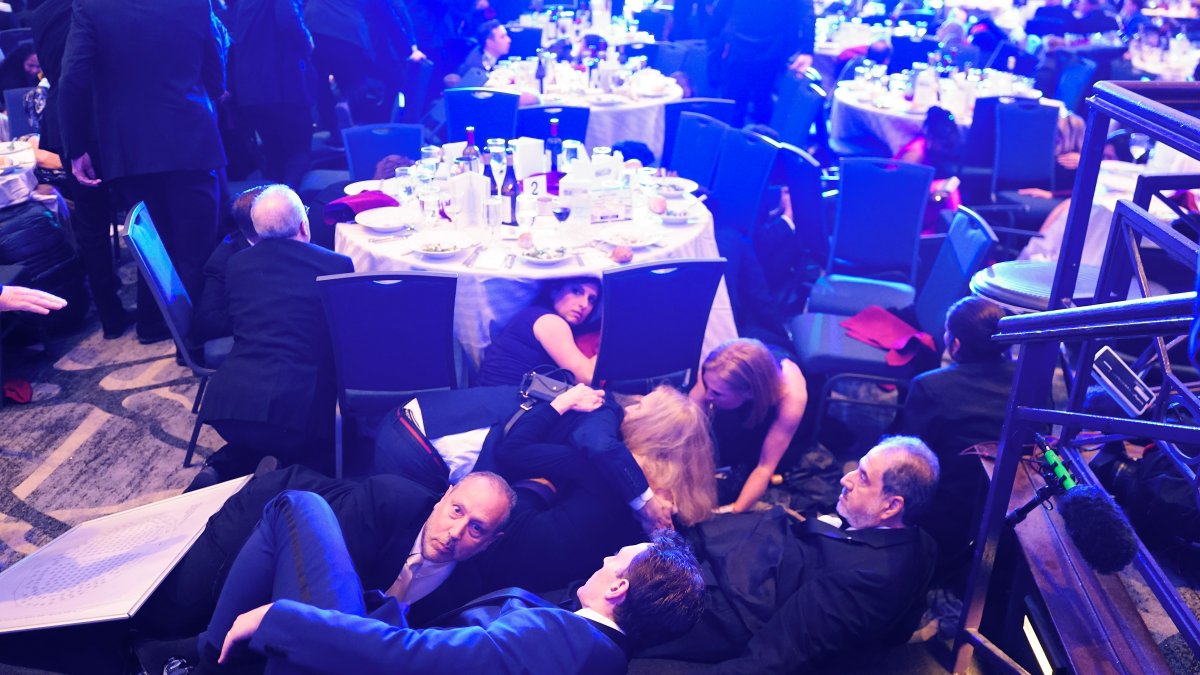
For attendees, the July dinner represents both a return to tradition and a reckoning with the fragility of democratic institutions. The WHCA’s decision to proceed, despite the trauma of April, signals a determination to uphold the “free press” ethos. Yet the event’s success will depend on its ability to balance security with the informal, often irreverent tone that has defined the dinner for decades. As Trump prepares to speak, the stakes are clear: this is not just a celebration of journalism, but a test of resilience in an era of escalating polarization.
“We will not allow an act of violence to have the last word, especially during a year when we are reflecting on America 250 and everything we stand for,” Jiang said, framing the event as a defiant response to the unprecedented challenge it faced NBC4 Washington.
