Karachi Reels from Deadly Storm, Facing Further Rainfall
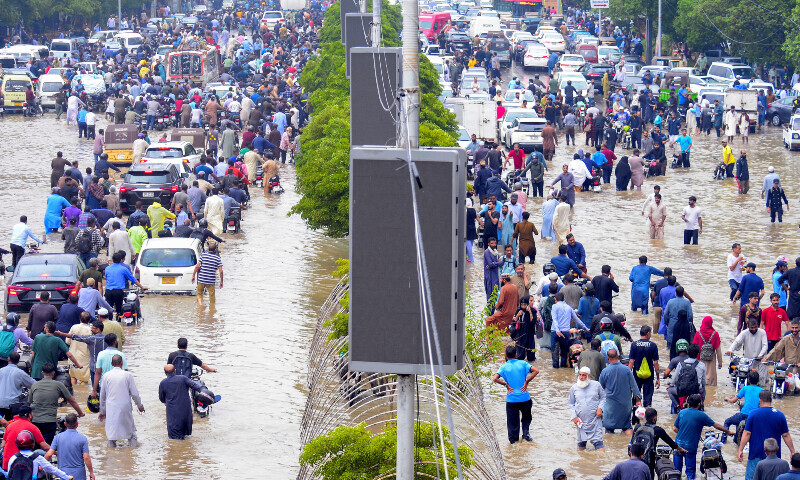
Karachi, Pakistan’s largest city, is grappling with the aftermath of a severe thunderstorm that struck overnight, resulting in at least 15 confirmed fatalities and widespread disruption. Emergency services are on high alert as the Pakistan Meteorological Department (PMD) forecasts continued rainfall across Sindh province and much of the country.
The storm, which began on Wednesday evening and continued through the night, brought torrential rain and powerful winds reaching speeds of up to 90 kilometers per hour in some areas, according to the PMD. The intense weather caused walls and roofs to collapse, leading to the tragic loss of life and injuries to dozens more. Hospitals in the city reported a surge in patients with weather-related injuries.
Impact and Response
Authorities have reported a range of incidents, including the collapse of a wall at a telephone exchange in Saeedabad, resulting in multiple deaths. Other fatalities were reported in Landhi, Korangi, and near the Malir River, due to collapsing structures and lightning strikes. Rescue operations are ongoing to search for potential victims still trapped under debris, particularly in the Baldia Town area, where a building collapse has prompted an extensive search effort.
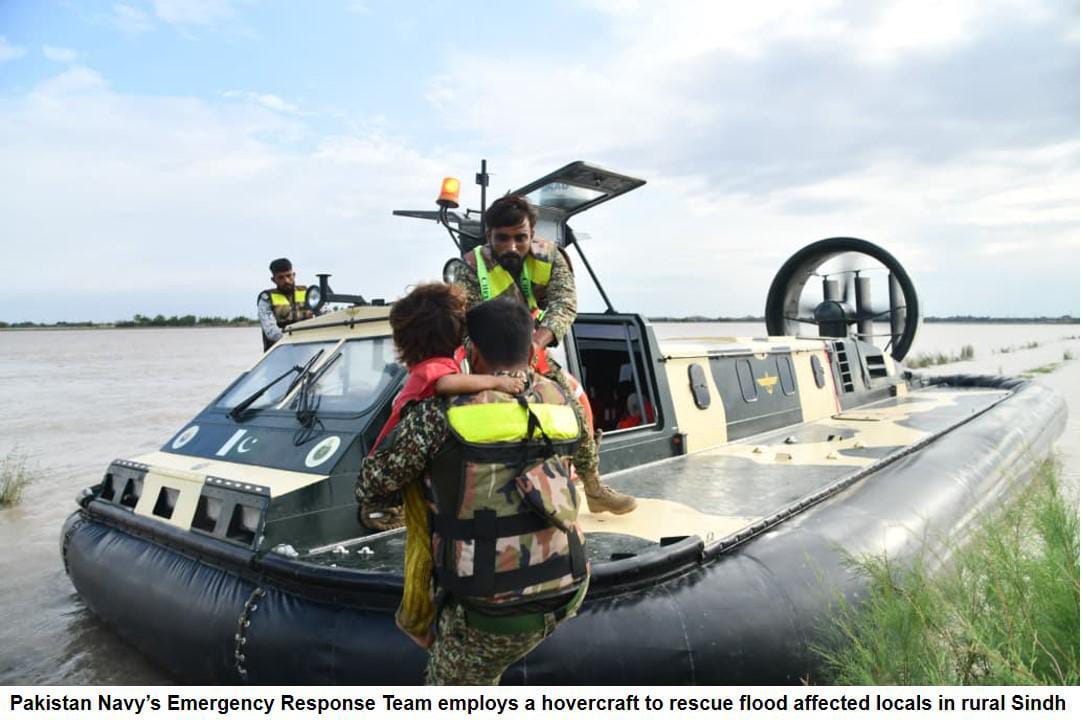
Karachi Mayor Murtaza Wahab has urged residents to remain indoors and avoid unnecessary travel, noting that fallen trees are obstructing roads and hindering movement. Emergency services are working to clear debris and restore access to affected areas. A central rescue helpline, 1299, has been activated to provide assistance to those in need. The city administration declared an emergency, mobilizing resources to address the crisis.
Widespread Rainfall and Regional Alerts
The current weather system is not limited to Karachi. The PMD has issued warnings of widespread rain, wind, and thunderstorms across Punjab, Balochistan, Khyber Pakhtunkhwa, Gilgit-Baltistan, Sindh, and Azad Kashmir. Specifically, Sindh province, including Karachi, Thatta, Badin, Hyderabad, and Sukkur, is expected to experience further rainfall, wind, and potential hailstorms through April 4th. Dunya News reports that daytime temperatures are expected to fall as a result of the ongoing weather system.
Earlier this month, on March 18th, Karachi experienced another bout of heavy rainfall and strong winds, resulting in 15 deaths, highlighting the city’s vulnerability to extreme weather events. That event, as the Associated Press reported, also caused significant damage to infrastructure and disruption to daily life.
Infrastructure and Preparedness Concerns
The recurring instances of urban flooding and related casualties raise concerns about the adequacy of Karachi’s infrastructure to cope with increasingly frequent and intense rainfall events. Experts point to inadequate drainage systems, aging buildings, and unplanned urban development as contributing factors. The Business Recorder highlighted that authorities are on high alert, with commissioner Syed Hassan Naqvi directing all relevant departments to prepare for potential emergencies. This includes ensuring the readiness of drainage systems, coordinating with utility companies, and activating control rooms for public assistance.
The situation in Lahore has also been affected, with reports of rain and hail disrupting normal life. The Express Tribune reported that Lahore experienced rainfall earlier this week, causing localized flooding and traffic congestion. The Met Office has predicted further rains and hailstorms in Punjab province, adding to the concerns about potential damage and disruption.
Looking Ahead
The PMD forecasts that Karachi will experience partly cloudy weather with a chance of light rain or drizzle on Friday, followed by mostly sunny skies on Saturday with temperatures potentially reaching 30-32°C. However, the continued threat of rainfall across Pakistan underscores the need for improved disaster preparedness and infrastructure development to mitigate the impact of extreme weather events. The focus now is on providing relief to those affected by the current storm and ensuring that adequate measures are in place to prevent further loss of life and minimize damage as the rainy season progresses.
