
President Donald Trump declared on Saturday that a peace deal with Iran to reopen the Strait of Hormuz is “largely negotiated,” a development that could end a conflict disrupting global energy markets and fueling U.S. inflation, according to CNBC. The claim comes amid conflicting reports from Iran, which dismissed Trump’s assertion as “incomplete and inconsistent with reality,” per the same source.
Trump’s Proclamation and Iran’s Skepticism
Trump announced the potential agreement via social media, citing calls with Gulf leaders and Israeli Prime Minister Benjamin Netanyahu. “An Agreement has been largely negotiated, subject to finalization between the United States of America, the Islamic Republic of Iran, and the various other Countries,” he posted, adding that details would be “announced shortly.” The deal, if finalized, would include a memorandum of understanding to reopen the Strait of Hormuz, a critical global energy chokepoint.

However, Iran’s Fars news agency, aligned with the Islamic Revolutionary Guard Corps, contradicted Trump’s claims, stating the strait would remain under Iranian control. “Trump’s assertion that an agreement was nearly final was ‘inconsistent with reality,'” the report noted. This divergence highlights unresolved tensions, particularly over the strait’s management and Iran’s nuclear program, which the U.S. has long tied to peace talks.
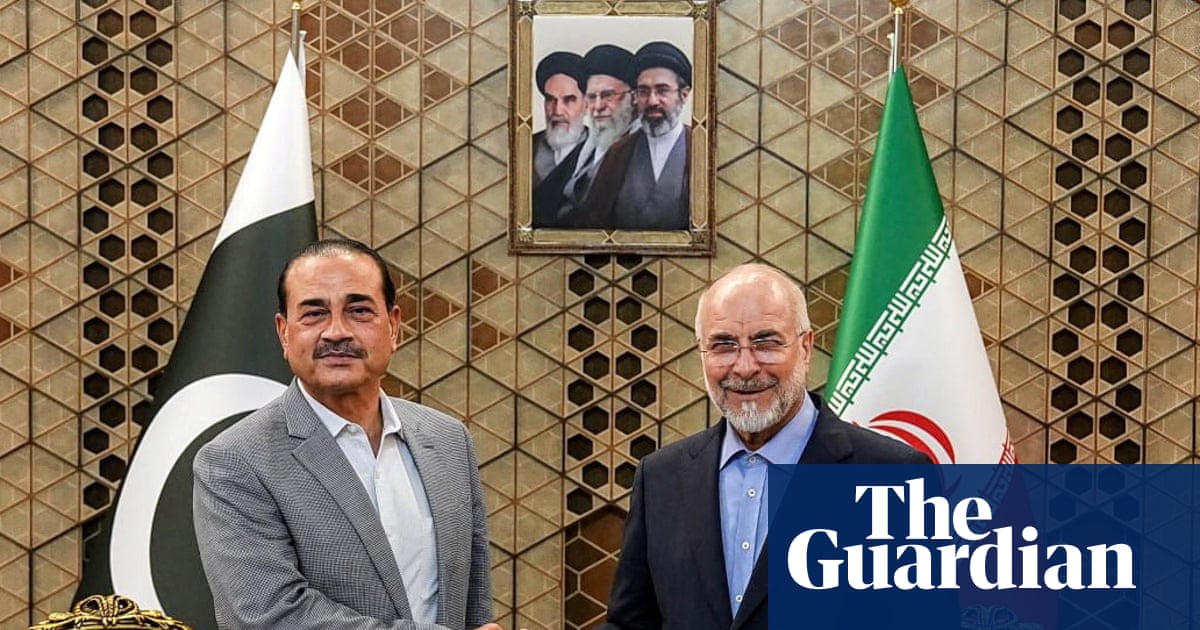
The Guardian reported that Iran’s top negotiator reiterated demands for “legitimate rights” and expressed distrust of the U.S., citing Reuters. Despite this, Pakistani and Qatari mediators have been actively involved, with Islamabad signaling readiness to host further talks.
Pakistani Mediation and Regional Dynamics
Pakistan’s role as a mediator has intensified, with Prime Minister Shehbaz Sharif praising Trump’s efforts and expressing hope for “very soon” peace talks. The country’s involvement follows a June 2026 delegation led by Vice President JD Vance, which ended without a breakthrough. Pakistani officials have reportedly maintained regular contact with U.S. envoy Steve Witkoff, as detailed by the Financial Times.
For more on this story, see Trump claims ‘largely negotiated’ Iran deal with Strait of Hormuz opening.
The Gulf states, including Saudi Arabia, the UAE, Qatar, and Bahrain, have been central to the diplomatic push. Their participation underscores the region’s stake in stabilizing the strait, which has been a flashpoint since the 2026 conflict began. The U.S. and Iran have maintained a fragile ceasefire since April 8, though skirmishes persist, according to CNBC.
Security Incident and Unfinished Business
Trump’s announcement coincided with a security lockdown at the White House after gunshots were heard near the complex. While the incident’s connection to the peace talks remains unclear, it added urgency to the administration’s messaging. The Financial Times also reported that a potential deal would include nuclear talks, sanctions relief, and unfreezing Iranian assets, though these terms were not explicitly mentioned in Trump’s statement.
Key unresolved issues include Iran’s nuclear program and the status of its highly enriched uranium. The U.S. has repeatedly cited these as prerequisites for ending hostilities, but Iran has insisted on finalizing a ceasefire first. The Guardian noted that “final aspects and details” of the agreement remain under discussion, with no clear timeline for resolution.
This follows our earlier report, Trump Warns Iran of ‘Severe Consequences.
Global Implications and Market Reactions
The conflict has triggered what Gulf states describe as the worst energy crisis in decades, with U.S. inflation rising alongside oil prices. A resolution could ease pressure on global markets, though analysts caution that lingering distrust between the U.S. and Iran may delay full implementation. The Strait of Hormuz’s control remains a red line for both sides, with Iran refusing to cede authority despite Trump’s claims.

Regional allies, including Israel, have also been drawn into the negotiations, reflecting the broader geopolitical stakes. While Trump framed the deal as a diplomatic triumph, the lack of concrete details and Iran’s skepticism suggest the path to peace remains fraught. The next 30 to 60 days will likely determine whether the “largely negotiated” framework translates into a lasting agreement.
For more on the U.S.-Iran peace efforts, see CNBC and The Guardian.
