
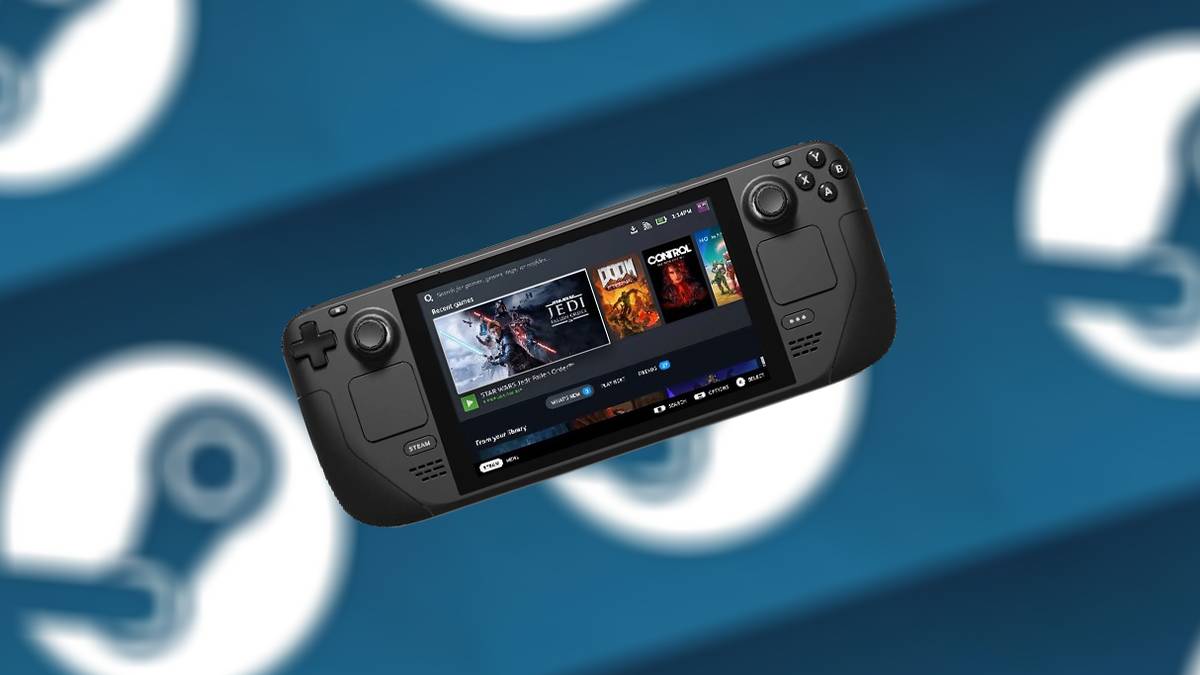
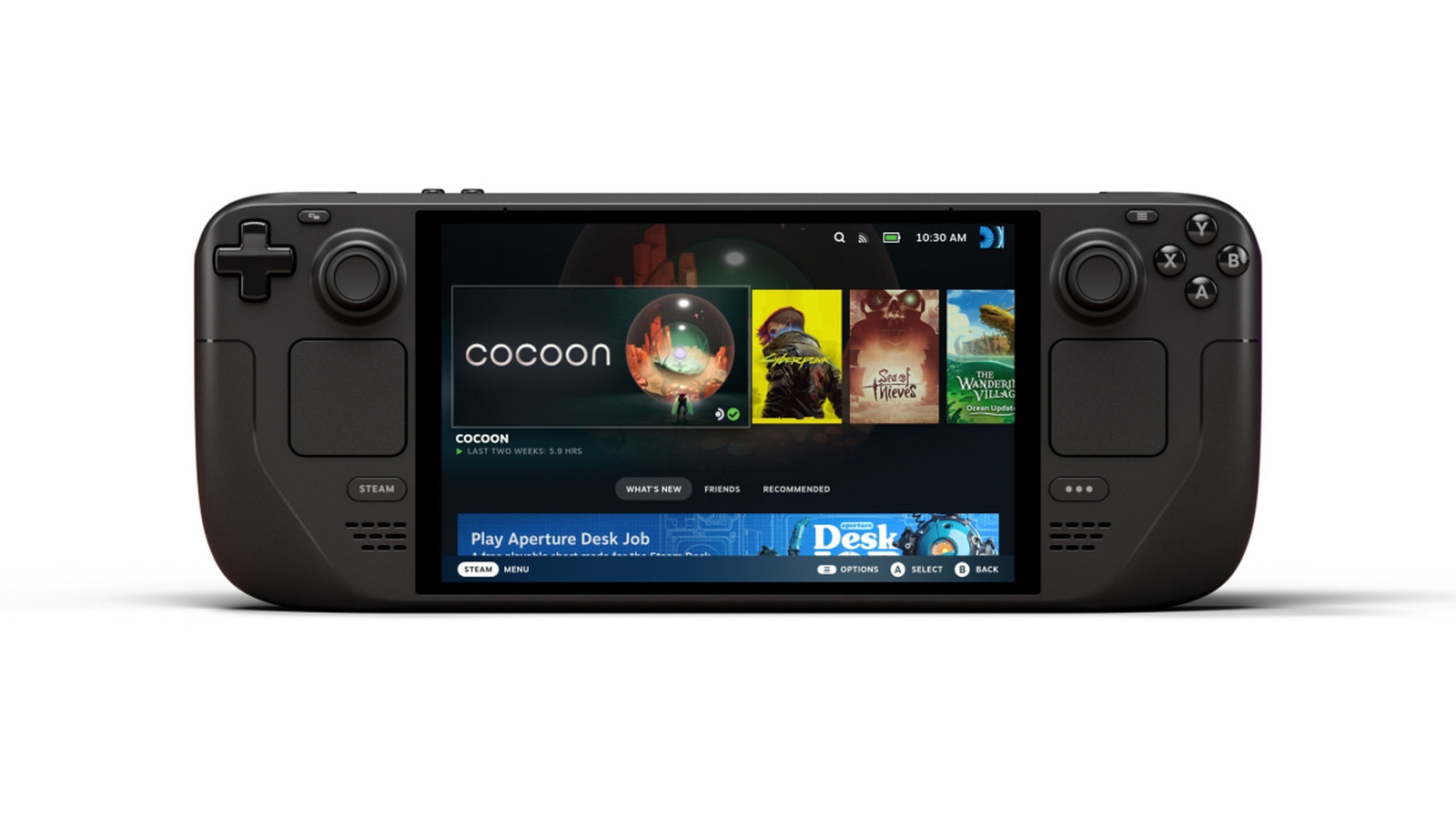
Valve has raised the price of its Steam Deck handheld gaming PC by up to $300, with the 1TB OLED model now costing $949—nearly double its original $649 price—while the 512GB version jumps to $789 from $549, effective May 27, 2026. The company cites “rising memory and storage costs” as the reason, blaming global logistical challenges and AI-driven demand for components. Refurbished models remain cheaper, but even those have seen price hikes, raising concerns about Valve’s broader hardware strategy, including the upcoming Steam Machine.
Why Valve’s Price Hike Is a Warning for the Steam Machine
The Steam Deck’s price surge isn’t just a cost-of-living adjustment—it’s a symptom of a deeper crisis in hardware manufacturing. Valve explicitly pointed to “rising memory and storage costs” as the culprit, a problem that has plagued the entire tech industry since AI companies began gobbling up chips for data centers. The Verge reported that Valve’s statement also acknowledged “global logistical challenges,” a vague but telling phrase that hints at supply chain bottlenecks still lingering from the pandemic era. What’s striking is the scale: the 1TB OLED model’s 50% price increase ($649 to $949) mirrors similar hikes at Sony and Nintendo, where consoles that once sold for $500 now exceed $600. But unlike those companies, Valve doesn’t have a captive audience—its hardware competes directly with PCs, which have seen their own price volatility.
More alarming is what this means for Valve’s other projects. The Steam Machine, a console-like PC slated for a 2026 release, has already faced delays due to the same memory shortages. According to Engadget, Valve had originally planned to ship it in early 2026 but now expects it “at some point this year”—a timeline that’s already stretched thin. Given the Steam Deck’s price leap, industry analysts are now betting the Steam Machine could exceed $1,000, pricing it out of the mid-range market it was designed to occupy. Polygon noted that Valve’s other hardware, like the Steam Controller, has sold at premium prices when quality justified it—but the Steam Deck’s aging hardware (it’s now over three years old) makes its steep price hike harder to swallow.
The Refurbished Loophole: A Cheaper, But Not Risk-Free, Alternative
For budget-conscious buyers, Valve has kept a lifeline open: refurbished Steam Decks. The 512GB LCD model remains the cheapest option at $359, while the OLED refurbished units now cost $629 (512GB) and $759 (1TB)—still a discount compared to new models, but a far cry from the original $549 entry price. Kotaku highlighted that these refurbished units are flying off the shelves, with some reporting sell-outs within hours of the price hike. The catch? Refurbished OLEDs now cost nearly as much as new LCDs, blurring the line between “budget” and “premium.” And while Valve hasn’t confirmed it, rumors suggest the company may phase out LCD models entirely, leaving OLED as the only option—even for those who don’t need the brighter display.
This strategy raises questions about Valve’s long-term vision. The company has historically positioned the Steam Deck as a gateway to PC gaming, but with prices now rivaling high-end consoles like the Xbox Series X ($549) and PS5 Pro ($649), it risks alienating its core audience. IGN pointed out that the Steam Deck’s value proposition—portability, PC game access, and no subscription fees—is now overshadowed by its cost. Meanwhile, competitors like the Xbox Rog Ally X ($999) offer more modern hardware for just $50 less than the top-tier Steam Deck. For Valve, the challenge isn’t just selling hardware; it’s proving that the Steam Deck’s unique selling points still justify its now-premium price tag.
What the Steam Deck’s Fate Says About the Gaming Industry’s Future
The Steam Deck’s price hike is part of a broader trend: gaming hardware is getting more expensive, not cheaper. In 2020, a PS5 launched at $499; today, it’s $649. The Nintendo Switch 2, when it finally arrives, is expected to start at $349—but that’s still up from the original Switch’s $299 launch price. Valve’s move isn’t an outlier; it’s a symptom of an industry where component costs are rising faster than wages, and where AI’s insatiable demand for GPUs and RAM is squeezing supply. As Engadget noted, even Lenovo has raised prices on its handheld devices, and Sony’s recent PS5 price hikes suggest no company is immune.
What makes Valve’s situation particularly precarious is its reliance on third-party hardware. Unlike Sony or Microsoft, which control their own supply chains, Valve assembles the Steam Deck with components from multiple vendors. When those vendors face shortages—or when AI companies outbid them—Valve has little leverage. The company’s statement, quoted verbatim by The Verge, made this clear: “Steam Deck itself hasn’t changed; these new prices reflect the current state of component costs and other global logistical challenges across the industry as a whole.” This isn’t just about the Steam Deck anymore. It’s about whether Valve can keep its broader ecosystem—including the Steam Machine and Steam Frame—affordable in an era where every major tech player is raising prices.
The Steam Machine’s Looming Price Crisis
The Steam Machine was supposed to be Valve’s answer to the living-room PC market—a device that bridged the gap between consoles and high-end PCs. But with the Steam Deck’s price now exceeding $900, speculation is rampant that the Steam Machine will start at $1,000 or more. Polygon’s analysis suggested that even if Valve manages to secure components, the cost of RAM and storage will likely push the price well beyond the $800–$900 range where it was originally expected to compete. The Steam Machine’s delay—from early 2026 to “sometime this year”—only deepens the uncertainty. If Valve can’t control costs, the device risks becoming a niche product for enthusiasts, rather than the mainstream alternative it was designed to be.

There’s another factor at play: Valve’s reputation for transparency. Unlike Sony or Microsoft, which have been accused of opaque pricing, Valve has historically been upfront about its hardware’s limitations. The Steam Deck’s aging hardware (it uses a 2020-era CPU) has been a point of criticism, but its affordability mitigated that. Now, with prices skyrocketing, Valve must prove that the Steam Machine is worth the premium. If it isn’t, the company risks damaging its brand—especially among PC gamers, who have grown accustomed to Valve’s focus on value.
What Happens Next: Stockouts, Speculation, and a Test of Valve’s Strategy
The immediate question is whether the Steam Deck will sell out again. Valve’s store listing currently shows both OLED models in stock with 3–5 business days for delivery, but history suggests that won’t last. In February, the company warned of “intermittent stockouts due to memory and storage shortages,” and with demand likely surging after the price hike, another out-of-stock scenario is probable. Kotaku reported that refurbished models are already selling fast, but new units may not be as readily available.
Longer-term, the bigger story is Valve’s ability to navigate the new reality of hardware pricing. The company has two options: absorb the cost increases and hope margins remain healthy, or pass them on to consumers—risking backlash in a market where affordability is increasingly rare. Given that Valve has no subscription service to offset hardware sales, its financial health depends on selling enough units at high enough prices. If the Steam Machine ends up costing $1,200, Valve will need to prove it’s worth it—or face the same fate as other premium hardware that failed to justify its price.
The Steam Deck’s price hike isn’t just about memory chips. It’s a warning: the era of cheap, accessible gaming hardware may be over. For Valve, the challenge isn’t just selling a handheld PC—it’s proving that even in a world where everything costs more, its products are still worth the price.
