
NASA’s Artemis III mission, targeting Earth orbit for crewed testing of lunar landing systems, faces technical and scheduling complexities involving SpaceX, according to recent agency updates and external analyses.
Artemis III: A Complex Test Flight in Earth Orbit
NASA’s Artemis III mission, initially outlined as a crewed flight in Earth orbit, is designed to test rendezvous and docking capabilities between the Orion spacecraft and commercial lunar landers from Blue Origin and SpaceX. The agency described the mission as “one of the most highly complex” in its history, citing the need to integrate multiple spacecraft, partners, and operational systems. “For the first time, NASA will coordinate a launch campaign involving multiple spacecraft integrating new capabilities into Artemis operations,” said Jeremy Parsons, Moon to Mars acting assistant deputy administrator, in a May 13, 2026, statement.

The mission’s primary goal is to validate critical systems for future lunar landings, including the compatibility of Orion with lander providers. However, technical challenges and evolving timelines have introduced uncertainties. A May 15, 2026, update from NASA’s Artemis III planning emphasized the need to “define the concept of operations for the mission,” with officials acknowledging “hard decisions remain” as of May 14, 2026.
SpaceX’s Role and Technical Hurdles
SpaceX’s involvement in Artemis III hinges on the development of its Starship spacecraft, which is critical for lunar cargo and crew transport. A Reddit analysis from June 2024 noted that “Artemis 3 has to wait for full reusability of Starship,” as the agency requires multiple refueling missions to support lunar operations. The post highlighted that “only 4 tankers + 2 spare will be available to do refueling,” necessitating “each tanker [to] do 2 or three” round trips. This dependency has complicated NASA’s timeline, with some reports suggesting the mission may face delays beyond 2026.
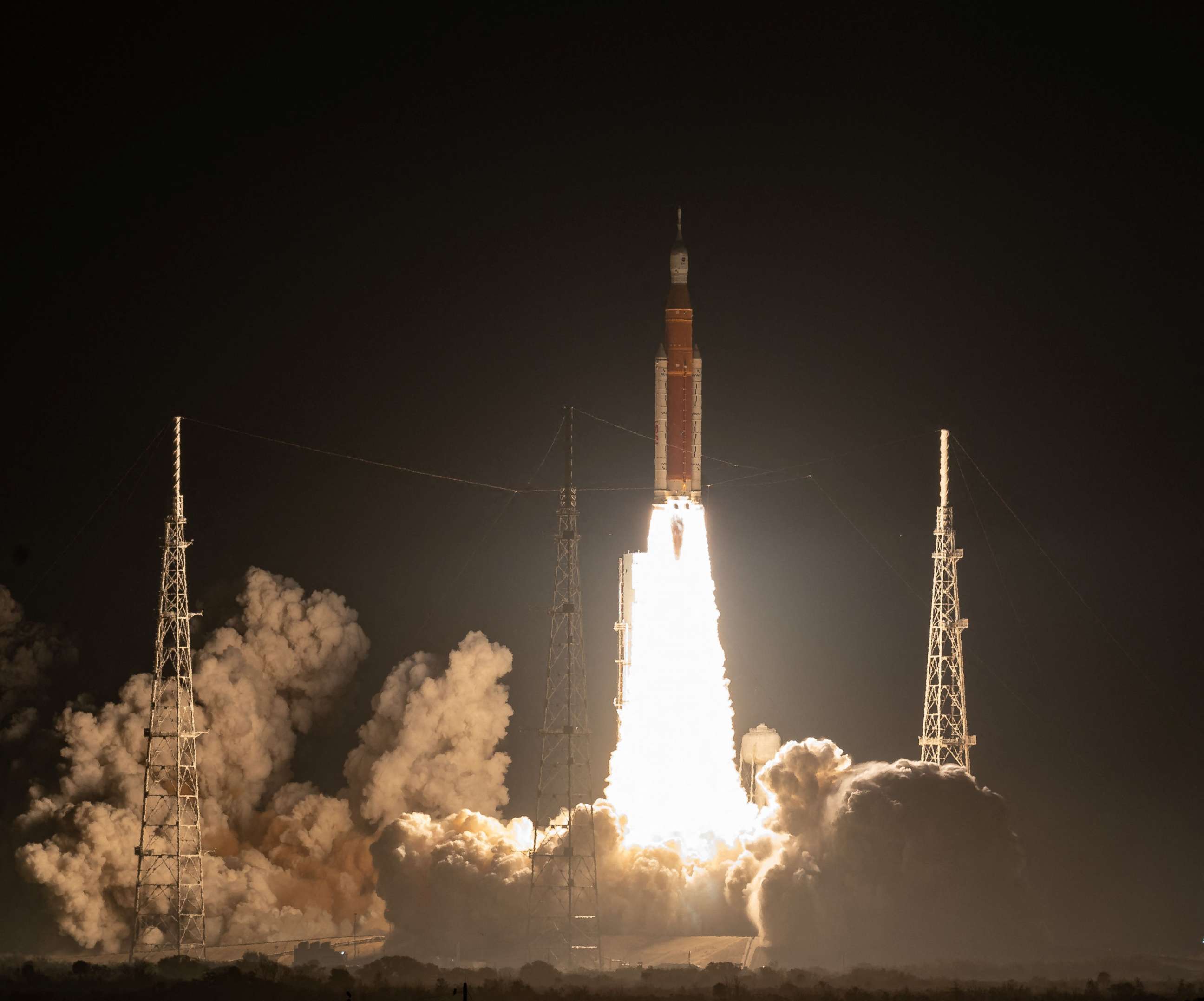
Despite these challenges, NASA’s May 13, 2026, update reaffirmed the agency’s commitment to the mission, stating that the test flight would “help reduce risk ahead of the next Americans landing on the Moon during Artemis IV.” However, the technical intricacies of integrating SpaceX’s systems with Orion and lunar landers remain a focal point of engineering evaluation.
Timeline Discrepancies and Future Uncertainties
Conflicting timelines have emerged in public discussions about Artemis III. While NASA’s official documents describe the mission as a precursor to lunar landings, some external analyses suggest a later launch. A May 15, 2026, report from Space.com noted that “NASA just revealed some new details about its upcoming Artemis 3 astronaut mission to Earth orbit, which is targeted to launch in late 2027.” This contrasts with earlier statements from NASA, which had not explicitly set a 2026 launch window for the mission.
The discrepancy underscores the fluid nature of the program. A May 10, 2026, post on the Facebook page “SpaceLaunchSchedule” quoted NASA as stating, “NASA also is defining the concept of operations for the mission,” with no definitive timeline provided. The agency’s focus on Earth-orbit testing reflects a strategic shift to mitigate risks before committing to lunar surface operations, but the exact schedule remains under review.
Broader Implications for NASA’s Lunar Strategy
The complexities surrounding Artemis III reflect broader challenges in NASA’s Moon-to-Mars strategy. The agency’s reliance on commercial partners like SpaceX and Blue Origin introduces interdependencies that require careful coordination. As Parsons noted, the mission “will help us learn how Orion, the crew, and ground teams all interact together with hardware and teams from both lander providers before we send astronauts to the Moon’s surface.”

Additionally, the mission’s focus on Earth orbit aligns with NASA’s broader goal of developing a sustainable lunar presence. By testing systems in a controlled environment, the agency aims to refine procedures for future missions, including the construction of a Moon base. However, the technical and logistical hurdles—particularly around Starship’s readiness—remain significant barriers to progress.
“While this is a mission to Earth orbit, it is an important stepping stone to successfully landing on the Moon with Artemis IV. Artemis III is one of the most highly complex missions NASA has undertaken,” said Jeremy Parsons, Moon to Mars acting assistant deputy administrator.
Jeremy Parsons, Moon to Mars acting assistant deputy administrator
As of May 2026, NASA has not announced a firm launch date for Artemis III. The agency’s ongoing evaluations of mission profiles and operational considerations suggest that the final timeline will depend on resolving technical challenges and securing partner commitments. For now, the mission remains a critical but uncertain phase in NASA’s efforts to return humans to the Moon.
