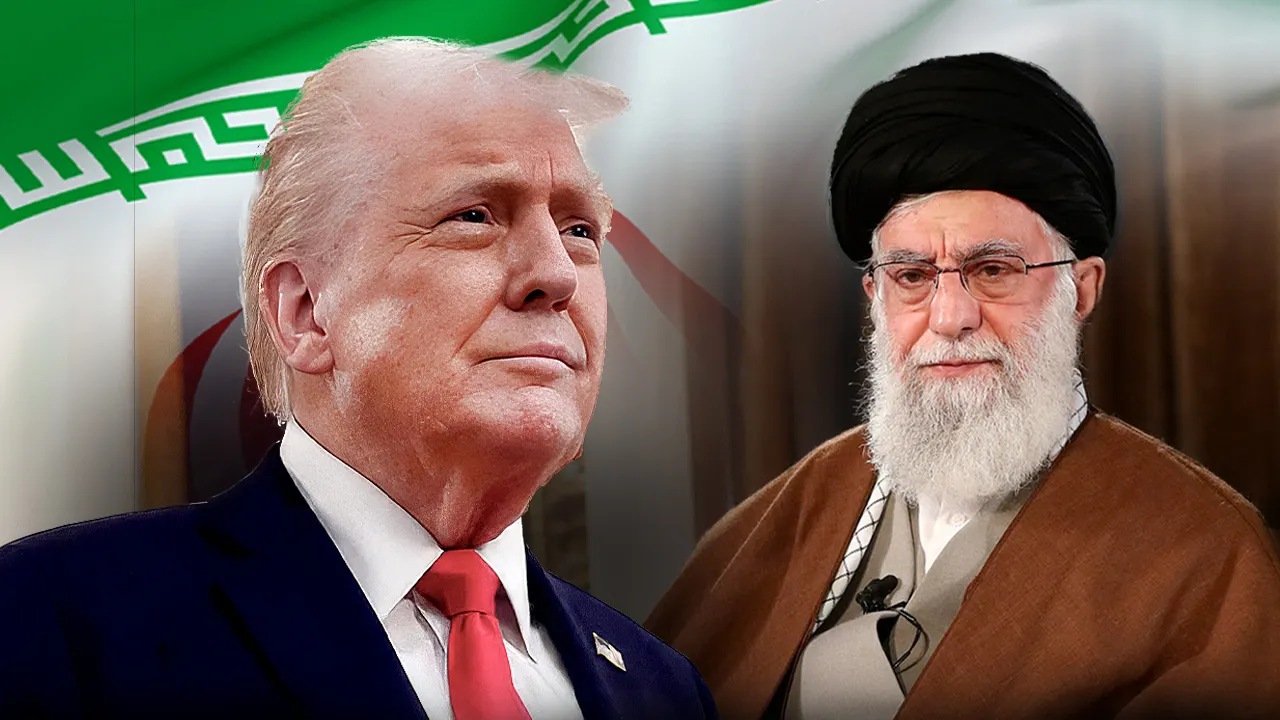
Trump Signals Potential Shift in Iran Strategy Amidst Escalating Conflict
WASHINGTON – U.S. President Donald Trump on Wednesday addressed the nation regarding the ongoing conflict with Iran, signaling a potential, though ambiguous, shift in strategy after weeks of escalating tensions and military strikes. The address, delivered amidst fresh attacks in the Gulf region and retaliatory strikes within Iran, came as oil prices surged and global markets reacted with volatility. The conflict, which began with the assassination of a key Iranian commander in late February, poses a significant threat to regional stability and global energy supplies, prompting international calls for de-escalation.

Global Reactions and Statements
President Trump announced a five-day pause in planned military strikes targeting Iranian infrastructure, offering a window for potential diplomatic negotiations. This announcement followed an ultimatum issued to Tehran to reopen the Strait of Hormuz, a vital waterway for global oil shipments. According to Reuters, Trump stated the U.S. could leave Iran “pretty quickly” and return if necessary, suggesting a willingness to explore a negotiated exit even without a formal agreement. This contrasts with earlier, more hardline rhetoric demanding Iran meet a 15-point U.S. ceasefire framework focused on nuclear restrictions.
However, the President also reiterated threats to inflict significant damage on Iran, stating the U.S. would hit Iran “extremely hard” if diplomatic efforts falter. This dual messaging has prompted confusion among allies and raised concerns about the consistency of U.S. policy. Secretary of State Marco Rubio echoed the potential for direct talks with Iranian leadership, suggesting “the finish line” may be in sight, but offered no concrete timeline or preconditions. Meanwhile, Iran’s Foreign Minister Abbas Araghchi dismissed the possibility of meaningful negotiations, reaffirming Tehran’s commitment to retaliating against perceived aggressors.
The United Nations Security Council is scheduled to hold an emergency session to discuss the escalating crisis, while NATO allies are reassessing their involvement and potential commitments to the region. According to a statement released by the UN, Secretary-General António Guterres urged all parties to exercise restraint and prioritize diplomatic solutions to prevent further bloodshed and regional destabilization.
Recent Escalation and Regional Impact
The past 24 hours have witnessed a surge in attacks on multiple fronts. Drones struck fuel tanks at Kuwait’s international airport, causing a significant blaze, and authorities in Bahrain reported a fire at an undisclosed facility following an Iranian attack. A tanker was reportedly hit by a projectile off the Qatari coast, though the crew was confirmed safe. Within Iran, explosions were heard in multiple areas of Tehran, and Shahid Haghani Port, a major passenger terminal, sustained damage from overnight airstrikes. These attacks underscore the broadening scope of the conflict and the increasing risk of miscalculation.
Oil prices have soared in response to the escalating tensions, with Brent crude exceeding $108.95 a barrel, a significant jump from pre-conflict levels. The disruption to oil shipments through the Strait of Hormuz, through which approximately 20% of the world’s oil supply passes, is a major driver of these price increases. According to the BBC, U.S. gas prices have also risen sharply, reaching levels not seen since 2022. This energy price shock is contributing to inflationary pressures globally and raising concerns about a potential recession.
Next Diplomatic Steps and Potential Outcomes
The five-day pause in planned strikes offers a narrow window for diplomatic engagement. However, the prospects for a breakthrough remain uncertain. The core sticking points include Iran’s nuclear program, its regional activities, and its demand for security guarantees. While President Trump has expressed a willingness to consider a negotiated exit, the fundamental disagreements between the two sides remain substantial. The U.S. continues to demand Iran halt uranium enrichment and fully reopen the Strait of Hormuz, while Iran insists on the lifting of sanctions and recognition of its legitimate security concerns.
Analysts suggest several potential outcomes, ranging from a limited ceasefire to a full-scale regional war. A limited ceasefire could involve a mutual de-escalation of military activity and the resumption of indirect talks. However, the deep-seated mistrust between the two sides and the involvement of multiple regional actors complicate the path to a sustainable resolution. A failure to achieve a diplomatic breakthrough could lead to a further escalation of the conflict, with potentially catastrophic consequences for the region and the global economy. The international community is closely monitoring the situation and urging all parties to prioritize diplomacy and avoid actions that could further destabilize the region.
