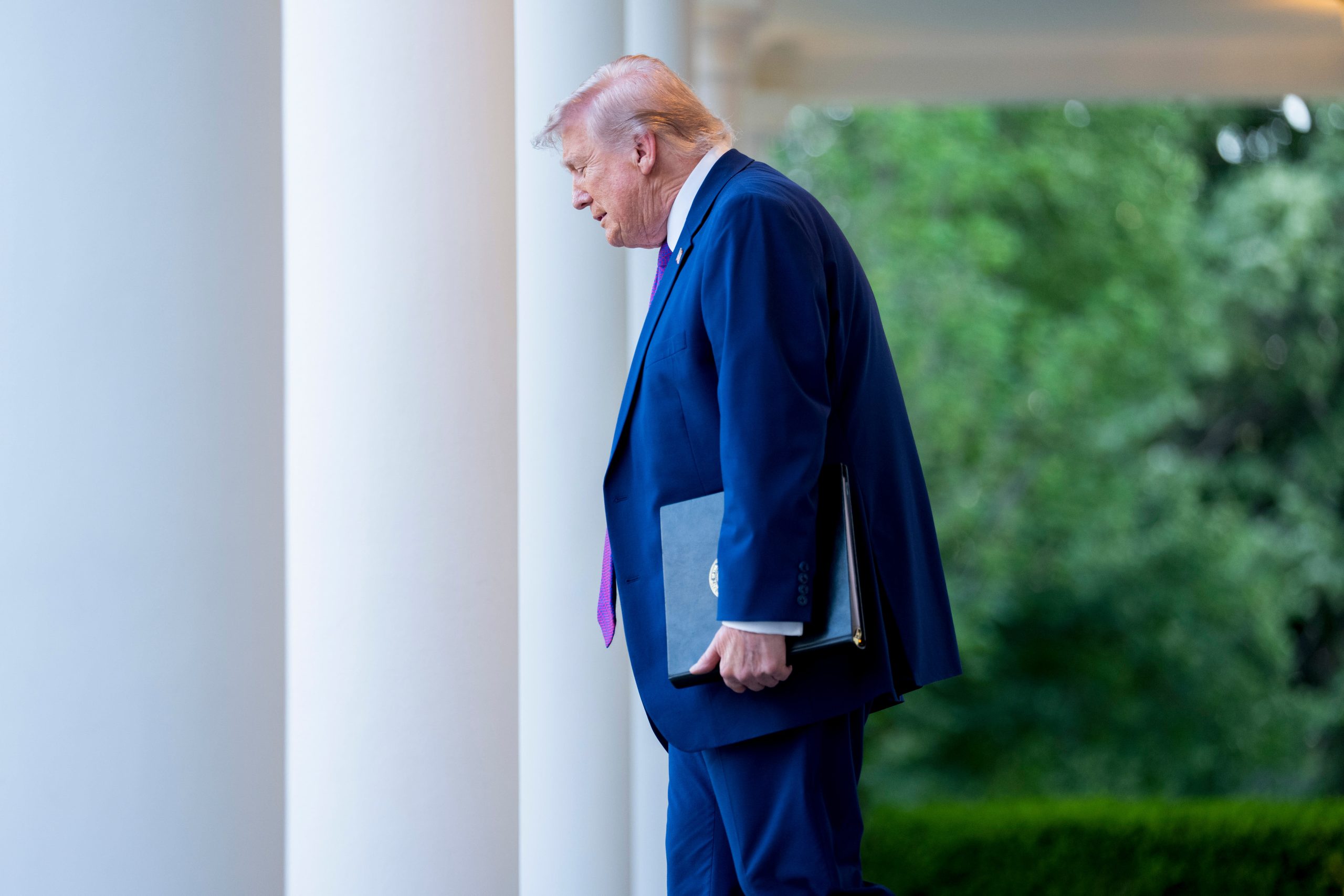
U.S. and Iranian negotiators reached a tentative 60-day ceasefire extension and a framework for nuclear talks on Thursday, May 28, 2026, according to officials familiar with the discussions. The agreement, which awaits President Donald Trump’s final approval, follows a week of military exchanges and heightened tensions near the Strait of Hormuz.
The Tentative Ceasefire Extension and Nuclear Framework
The proposed memorandum of understanding, which emerged from private diplomatic channels, aims to stabilize the three-month-old conflict by extending the existing ceasefire for 60 days. Beyond the immediate pause in hostilities, the agreement intends to initiate formal negotiations regarding Iran’s nuclear program, according to a U.S. official who spoke on the condition of anonymity. While the broad outlines of the deal are set, the path to implementation remains uncertain, as the proposal requires formal sign-off from President Trump.

The details of the pact, first reported by the news outlet Axios, include provisions to reopen the Strait of Hormuz and require Iran to remove all mines from the waterway within 30 days. Under the reported terms, Iran would also agree to halt its pursuit of nuclear weapons and engage in discussions regarding the disposal of its enriched uranium stocks. In exchange, the U.S. would consider limited sanctions relief and assistance with humanitarian aid efforts. This framework was developed as international pressure mounted to secure the transit of global oil supplies through the maritime chokepoint.
Escalation in the Persian Gulf
The move toward a deal comes amidst a volatile period for regional security. On Thursday, Kuwaiti military officials reported the interception of incoming missiles and drones, an incident U.S. Central Command labeled an egregious ceasefire violation. The Kuwaiti Foreign Ministry publicly condemned the actions as blatant aggression.

Earlier this week, U.S. forces conducted strikes in Iran, targeting missile launch sites, minelaying boats, and a ground-control station in Bandar Abbas that officials said was preparing to launch a drone. Iran’s Revolutionary Guard confirmed the strike at the airport, subsequently announcing a retaliatory attack on an unspecified air base. These exchanges have kept global energy markets on edge. Brent crude futures, the international benchmark, fell 93 cents to $93.36 per barrel on Thursday, while U.S. West Texas Intermediate futures lost 7 cents to $88.61 per barrel following news of the tentative agreement.
Diplomatic Hurdles and Regional Reality
Despite the progress in negotiations, the diplomatic landscape remains fragile. Secretary of State Marco Rubio stated Wednesday that the administration prefers a path of diplomacy, noting that President Trump intends to give the talks every chance to succeed. However, the administration has been quick to dismiss conflicting reports regarding the status of the waterway. When Iranian state media claimed Tehran had reached a draft agreement to open the Strait of Hormuz under a joint management structure with Oman, the White House dismissed the report as a complete fabrication.
The discrepancy between official U.S. statements and Iranian state media narratives has complicated the messaging surrounding the ceasefire. U.S. officials maintain that any agreement must be verified and directly negotiated with Washington, rather than through third-party regional intermediaries that might lack the authority to enforce technical maritime protocols. The Pentagon continues to maintain a high-readiness posture in the region, with naval assets patrolling the Strait of Hormuz to ensure the freedom of navigation while the ceasefire extension remains pending.
Experts remain skeptical about the long-term efficacy of such agreements given the current regional dynamics. Amos Hochstein, a former senior energy advisor, suggested that the strategic reality on the ground may supersede written commitments.
“No matter what happens, the Iranians will control the Strait of Hormuz for the foreseeable future, it doesn’t even matter what the deal says. Everybody in the region believes that,” Amos Hochstein, former senior energy advisor, via CNBC.
As of Thursday, the diplomatic focus remains on whether President Trump will grant the final approval necessary to formalize the 60-day extension. While investors are increasingly pricing out worst-case supply disruption scenarios, according to analysis from Citigroup, the coming days will determine if the tentative framework can withstand the pressure of ongoing military friction. The administration is currently weighing the risks of a prolonged ceasefire against the ongoing threat posed by Iranian capabilities in the region, with intelligence agencies monitoring for any signs of non-compliance with the preliminary terms discussed in the framework.
