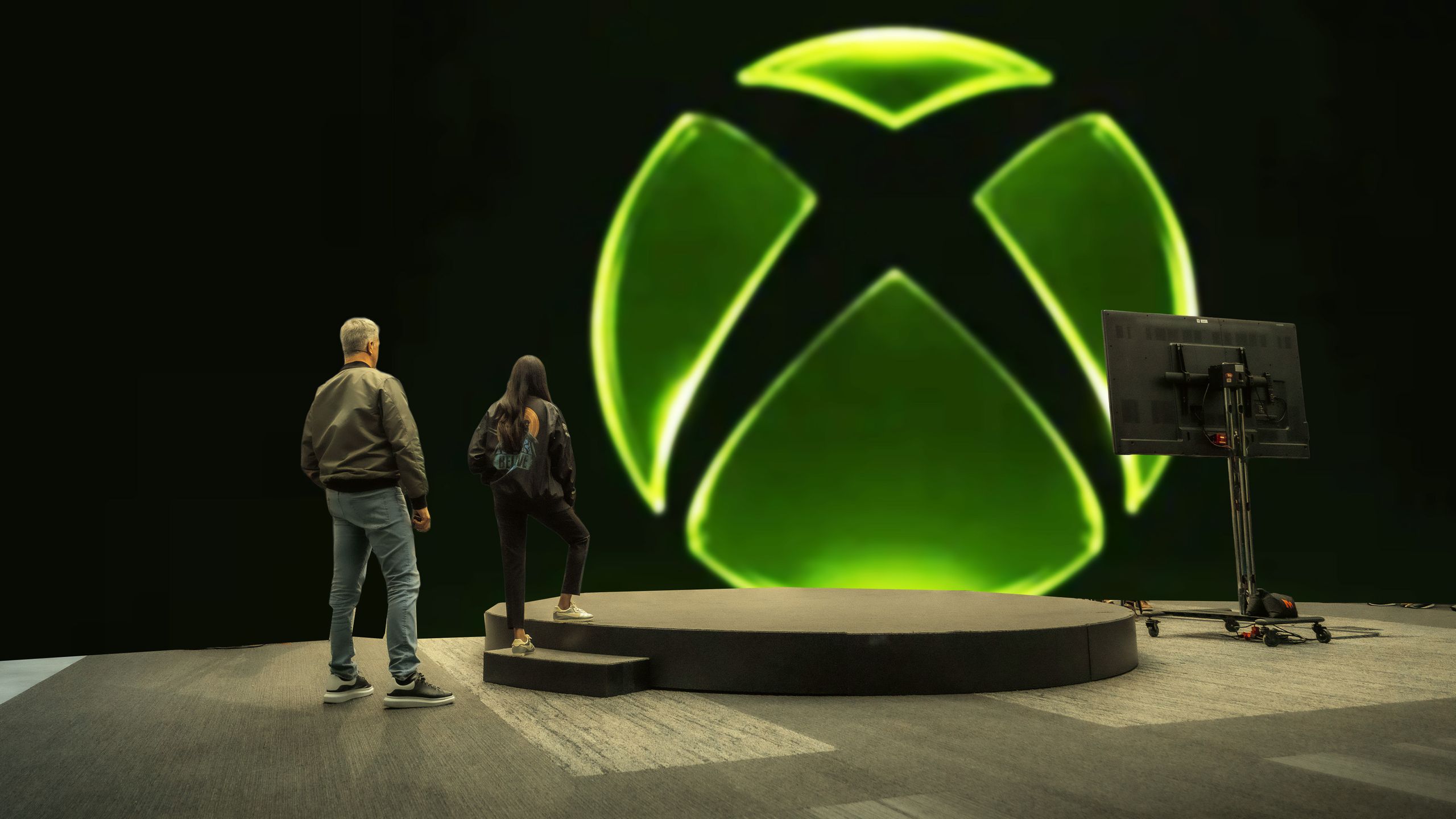
Asha Sharma, CEO of Microsoft Gaming, warned Thursday that Xbox faces “tough decisions” ahead—a signal that the company’s turnaround strategy may soon force painful trade-offs between hardware, Game Pass, and exclusives. In an internal memo obtained by Windows Central, Sharma framed the shift from “Xbox” to “XBOX” as part of a deliberate rebranding effort, but her comments on subscription growth and retention suggest deeper struggles. While a recent price cut for Xbox Game Pass has stabilized subscriber numbers, Sharma acknowledged that “we will not solve this in one moment or one launch,” hinting at broader restructuring ahead.
Game Pass: The Price Cut That Changed Nothing (And Then Some)
Xbox Game Pass has been Sharma’s most visible battleground since she took over from Phil Spencer in February 2026. Data from VGChartz and Pure Xbox confirms what Sharma stated directly: the 2025 pricing hike backfired. “Growth slowed down and subscriber loss accelerated after the pricing and SKU changes last year,” she wrote in the memo, obtained by The Verge and verified by multiple outlets.
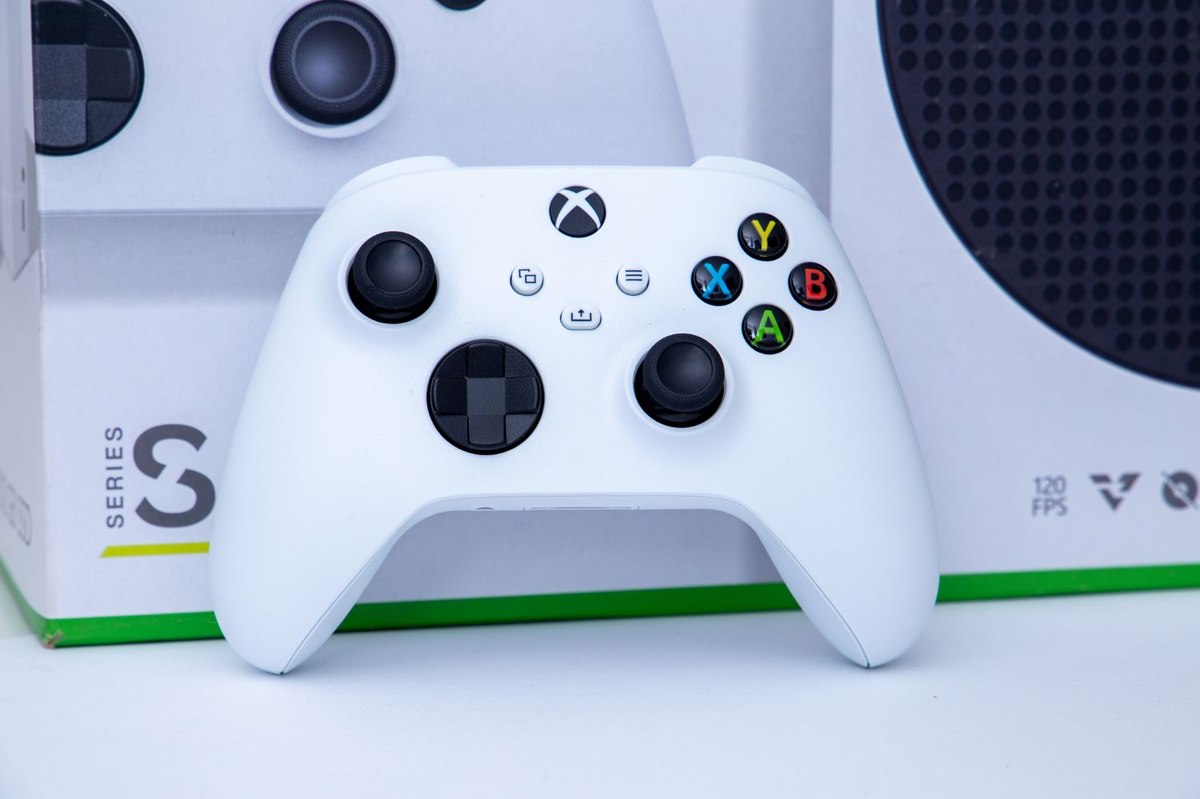
- Pre-2025: Game Pass was bleeding subscribers, with retention rates declining as the service expanded its library with lower-quality titles.
- 2025 Price Hike: Microsoft raised prices and consolidated SKUs, accelerating churn. Sharma’s memo calls this a “critical misstep.”
- May 2026: A $10 reduction in the Ultimate tier (now $10/month) reversed the trend—acquisitions rose, and retention improved. Sharma called it “a good first step,” but not a fix.
The turnaround wasn’t organic. Microsoft’s internal data, shared with Pure Xbox, shows that the price cut directly correlated with a 15% jump in net subscriber additions over two months. But Sharma’s caution is clear: “We will have to outwork the problem in front of us in our path to restore durable growth.” The implication? Game Pass’s long-term health depends on more than just pricing—it may require cutting content, renegotiating publisher deals, or even restructuring Xbox Game Studios itself.
XBOX’s Brand Reset: Why the Name Change Matters More Than the Logo
Sharma’s memo frames the shift from “Xbox” to “XBOX” as more than a typographical tweak—it’s a strategic reassertion of the brand’s identity. But the real story lies in what YouGov’s BrandIndex data reveals: U.S. gamers’ perception of Xbox has improved dramatically since February 2026, when Sharma took over. The “Buzz score”—a net measure of positive vs. negative sentiment—rose from 8.5 to 20 points by May 20, with a peak of 21.8 on May 16. That’s not just a logo change; it’s evidence that Sharma’s broader reset is working at a cultural level.

The rebranding extends beyond visuals. Microsoft has launched XBOX Player Voice, a direct feedback portal for fans, and Sharma has openly questioned the value of exclusives—a core tenet of Xbox’s strategy under Spencer. “We are building a stronger XBOX,” she wrote. “That means making hard choices about what we build, where we invest, and what kind of company we need to be going forward.” The memo doesn’t spell out those choices, but the context is clear: Xbox’s first-party games (like Halo and Forza) are expensive to develop and often underperform on other platforms. Sharma’s focus on “deliberate” branding suggests she’s prioritizing perceived value over raw exclusivity.
“We are building a stronger XBOX. That means making hard choices about what we build, where we invest, and what kind of company we need to be going forward. That is part of what you are starting to see in the shift from Xbox to XBOX. It reflects a decision to be deliberate in how we show up for the players who care most about this brand.”
Hardware in the Crosshairs? Why Xbox’s Supply Chain Woes Could Force Cuts
One area Sharma explicitly avoided mentioning? Hardware. But the memo’s phrasing—”making hard choices about what we build”—has fans speculating about the future of Xbox consoles. Windows Central reports that Sharma’s team is “intent on growing Xbox’s hardware footprint,” despite a brutal memory chip shortage that’s hit the entire industry. Microsoft’s CSO, Matthew Ball, recently noted that retail hardware sales have declined as subscriptions rise—a trend that could force Xbox to choose between investing in new consoles or doubling down on Game Pass.
The bigger question: Will Sharma pull the plug on Xbox Helix, the rumored next-gen console? Sources close to the project, speaking to Windows Central, confirm there are no immediate plans to cancel it. But with memory prices still volatile and consumer spending tight, Helix’s development timeline could face delays—or worse, a pivot to a more modular, cloud-focused approach. Sharma’s emphasis on “durable growth” suggests she’s not ruling out drastic measures, including a potential shift away from traditional console sales.
The Exclusives Dilemma: Can Xbox Afford to Keep Making Them?
Here’s where Sharma’s strategy gets risky. Xbox’s first-party games are its most profitable assets, but they’re also its biggest financial drain. YouGov’s data shows that gamers still associate Xbox with exclusives—but the business model is broken. Titles like Starfield and Forza Horizon 5 perform well, but their development costs are staggering, and their sales on other platforms (like PlayStation) cannibalize Xbox’s own subscriber base.
Sharma’s memo doesn’t mention exclusives by name, but her hiring of Matthew Ball as Chief Strategy Officer—a former gaming analyst known for his critical views on Microsoft’s first-party strategy—suggests a reckoning is coming. Ball has publicly questioned whether Xbox can sustain its current pace of exclusives without alienating its core audience.
- Fewer exclusives: A shift toward multi-platform releases, even for franchises like Halo.
- Stricter quality control: Cutting underperforming studios or reallocating budgets to high-impact titles.
- Game Pass-first development: Prioritizing games that thrive in subscription models over traditional retail releases.
The stakes are high. If Sharma scales back exclusives, she risks losing Xbox’s most loyal fans—the same group whose sentiment YouGov tracks as improving. But if she doubles down, she risks bleeding more money into a model that’s already underperforming against Sony’s PlayStation exclusives.
What’s Next: The June 7 Showcase as a Litmus Test
Sharma’s memo drops just weeks before the Xbox Showcase on June 7, where Microsoft will unveil its next major moves.
- Game Pass expansions: Will Sharma introduce new tiers, regional pricing, or partnerships (e.g., cloud gaming integrations)?
- Hardware teases: Any hints about Helix, or a pivot to more affordable consoles?
- Exclusives strategy: Will she confirm a shift toward multi-platform releases, or double down on first-party?
But the real test isn’t the event—it’s what happens after. Sharma’s memo is a warning: Xbox’s problems won’t be fixed with a single launch or a rebrand. The next 12 months will reveal whether her “tough decisions” are enough to turn the ship around—or if Microsoft will need to make even harder cuts. One thing is certain: the era of easy growth for Xbox is over. As Sharma put it, “We will have to outwork the problem in front of us.”
For now, gamers should brace for turbulence. The rebranding is just the beginning.
