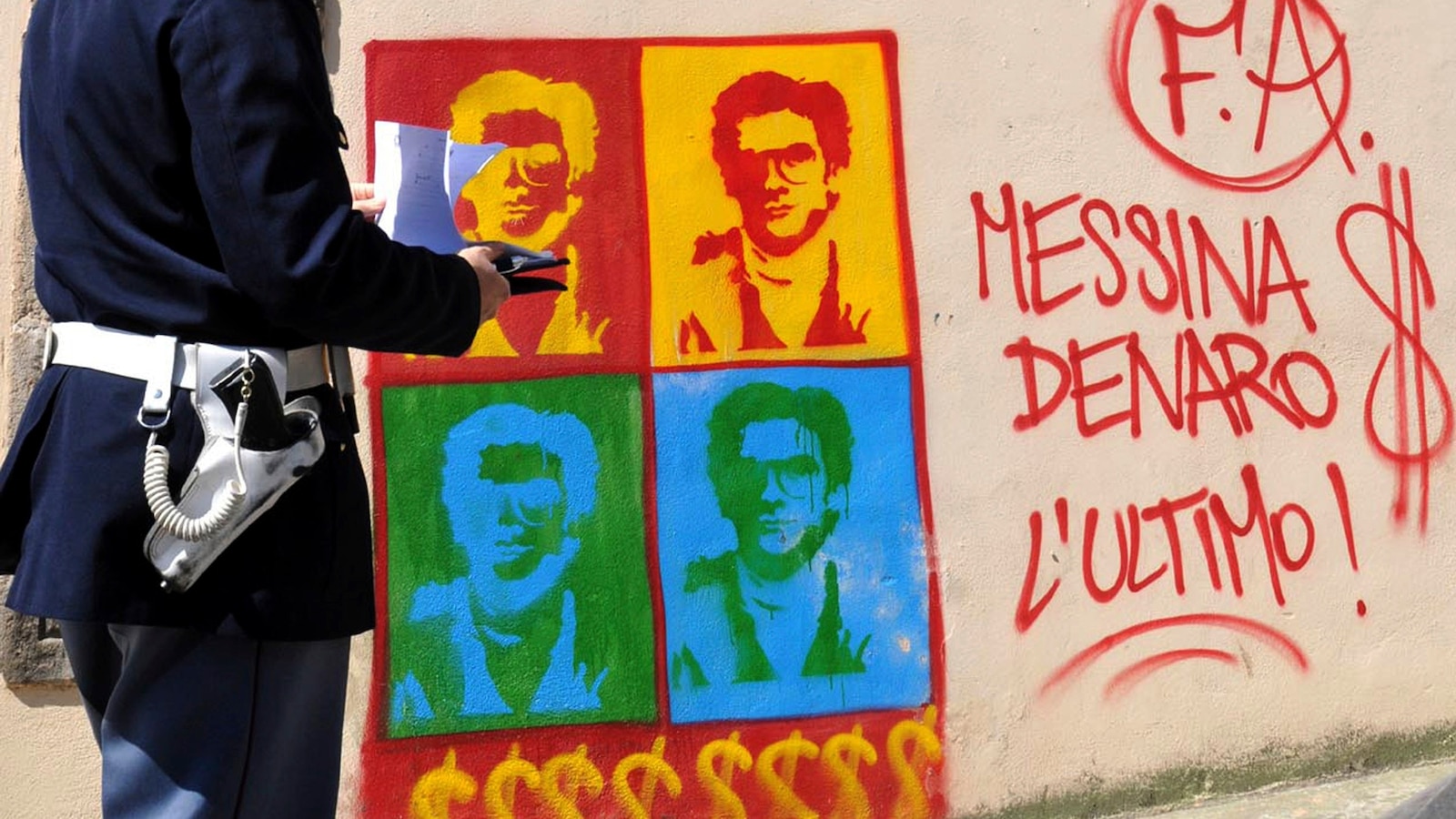
Italian authorities have seized more than $232 million in assets—gold, luxury villas, cash, and corporate holdings—from the late Sicilian Mafia boss Matteo Messina Denaro, dismantling a decades-long money-laundering empire that stretched from Sicily to the Costa del Sol. The operation, described by prosecutors as a blow to the Mafia’s financial power, marks the latest chapter in Italy’s relentless campaign to dismantle the Cosa Nostra’s economic infrastructure.
A $232 Million Empire Built on Blood and Gold
Matteo Messina Denaro, the last of the legendary “Mafia nobility” alongside Salvatore Riina and Bernardo Provenzano, spent three decades evading capture before his arrest in January 2023. His empire—rooted in drug trafficking and reinvested across Europe and beyond—was so vast that Italian financial police had to deploy drones, thermal scanners, and international raids to uncover its full scope. The seizures, totaling over 200 million euros ($232 million), included 12 kilograms of gold bars, millions in cash, premium watches, and 20 luxury properties, according to ABC News. Among the most prized assets were genuine luxury resorts on Spain’s Costa del Sol, in areas like Marbella and Puerto Banús, where drug money was “reintroduced into the legal economy” through corporate shells and real estate.
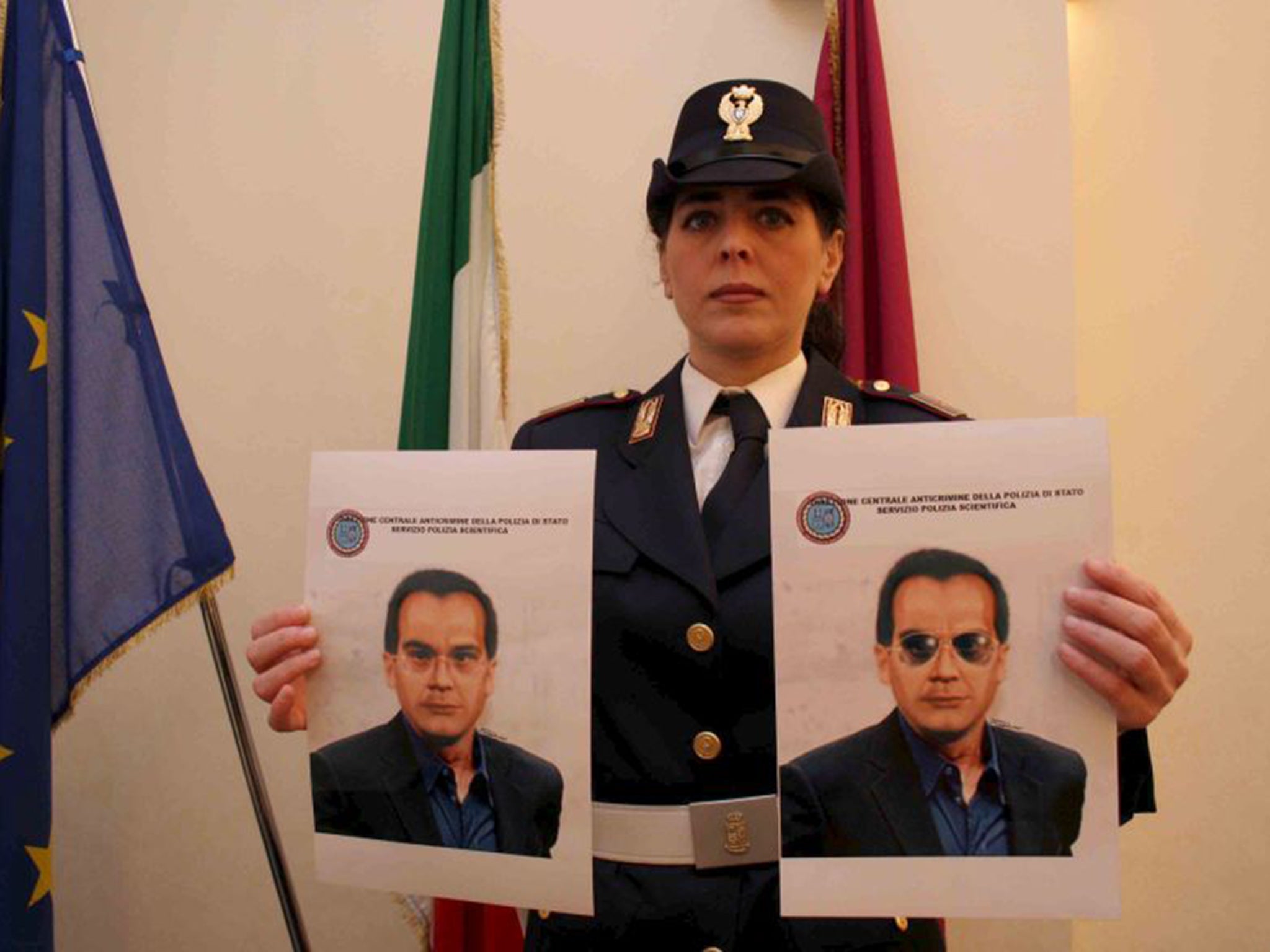
Denaro’s fortune wasn’t just a personal stash—it was the financial backbone of the Sicilian Mafia’s operations. As Italy’s top anti-Mafia prosecutor, Giovanni Melillo, put it during a press conference in Palermo: “It is not simply a matter of identifying and seizing a significant portion of the illicit wealth accumulated over decades of related trafficking and parasitic exploitation of the territory—Sicily in particular—from an organization as powerful as the Cosa Nostra.” The operation wasn’t just about seizing money; it was about delaying and hindering the Mafia’s attempt to rebuild after Denaro’s death in prison earlier this year.
“It is not simply a matter of identifying and seizing a significant portion of the illicit wealth accumulated over decades of related trafficking and parasitic exploitation of the territory—Sicily in particular—from an organization as powerful as the Cosa Nostra.”
The Money Trail: From Drug Cartels to Spanish Sunsets
Denaro’s empire wasn’t confined to Sicily. Investigators found his money sprawled across eight foreign countries, including Andorra, Gibraltar, the Cayman Islands, and Switzerland. The CBS News report details how drug money was funneled through corporate holding companies, bank accounts, and securities portfolios to buy into some of the most exclusive real estate in Europe. Among the seized properties were resorts in Marbella and Benahavís, where the Mafia’s wealth was laundered under the guise of legitimate tourism businesses. Police used advanced technology—planes, drones, and thermal scanners—to detect hidden cavities where cash and assets might have been stashed, a tactic that underscores the sophistication of Denaro’s operations.
For more on this story, see Matteo Messina Denaro’s $232 Million Fortune Seized by Police in Italy.
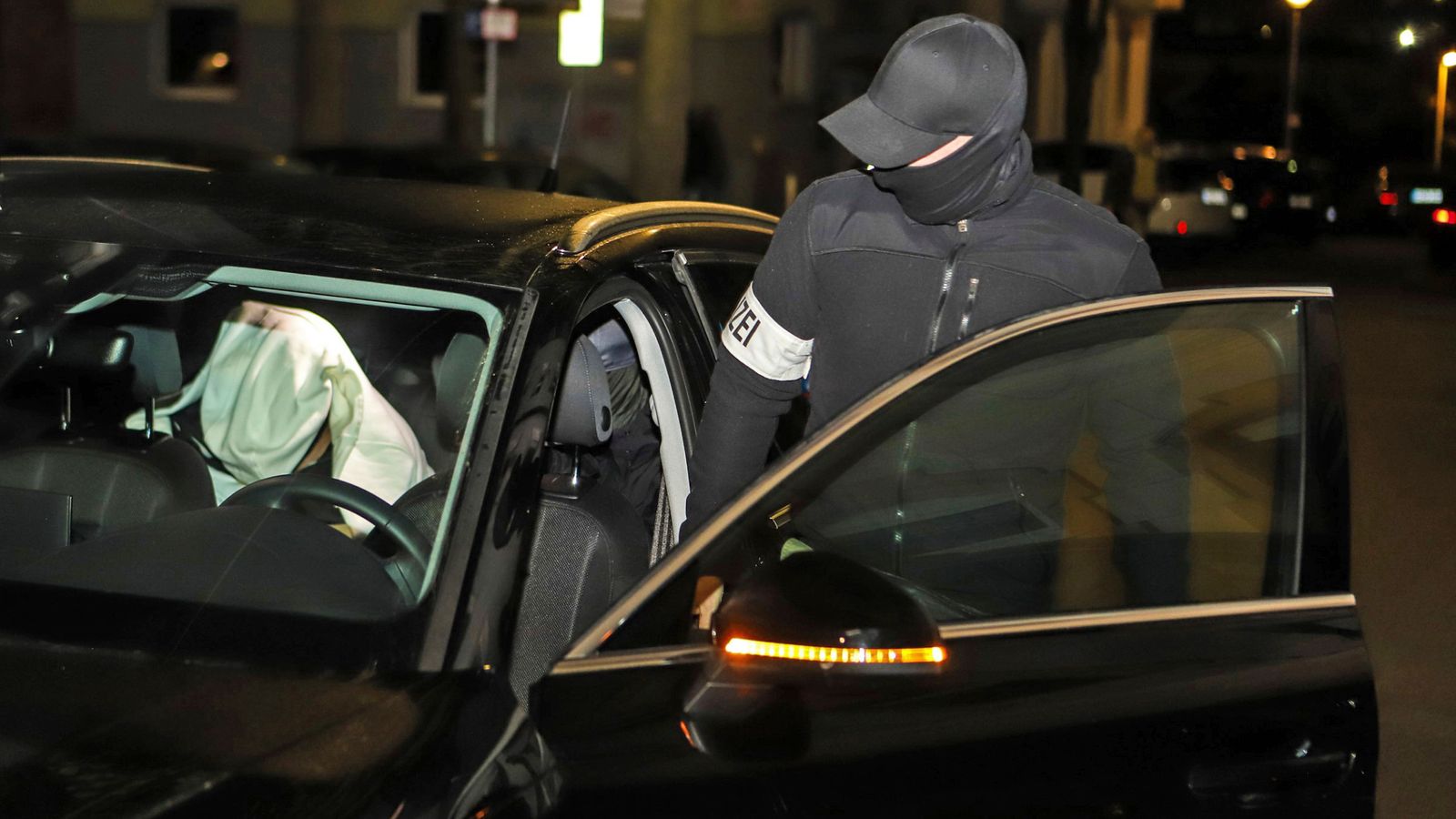
The scale of the operation is staggering. More than 150 Italian financial police officers conducted simultaneous raids in Italy and abroad, arresting three individuals in the process. The assets weren’t just cash—they included high-end watches, gold bars, and corporate stakes that allowed the Mafia to maintain influence long after Denaro’s arrest. This wasn’t just about confiscating wealth; it was about exposing the networks that kept the organization alive even after its most feared leaders were behind bars.
Denaro’s Legacy: The Last of the Mafia Nobility
Matteo Messina Denaro wasn’t just another mob boss—he was the last of the “Mafia nobility,” a title shared only by Salvatore Riina and Bernardo Provenzano, two men who also spent decades on the run before their eventual captures in 1993 and 2006, respectively. Denaro’s arrest in 2023 marked the end of an era, but his death in prison just nine months later didn’t signal the end of his influence. His empire, built on drug trafficking and reinvested globally, was designed to outlast him. The seizures this week are a direct response to that strategy, aimed at cutting off the financial lifeline that kept the Mafia’s operations running.
Denaro’s crimes were legendary. He was convicted in absentia for dozens of murders, including masterminding the 1992 bombings that killed anti-Mafia prosecutors Giovanni Falcone and Paolo Borsellino. His arrest was a major victory for Italian law enforcement, but his death in prison didn’t erase the damage he caused. The seizures this week are part of a broader effort to dismantle the financial networks that allowed the Mafia to operate with impunity for decades.
What Comes Next: Can Italy Really Break the Mafia’s Financial Power?
The question now is whether this operation will deal a lasting blow to the Cosa Nostra or if the Mafia will simply adapt. Prosecutors like Melillo have framed this as a strategic victory, but the reality is more complicated. The Mafia’s financial networks are deeply entrenched, and while $232 million is a significant hit, it’s unlikely to cripple the organization entirely. The challenge for Italian authorities will be tracking the remaining assets and dismantling the corporate structures that allowed Denaro to hide his wealth in the first place.

One thing is clear: this operation sends a message. The days of Mafia bosses living in luxury while evading justice are over. The use of advanced technology—drones, thermal scanners, and international coordination—shows that Italy is no longer willing to tolerate the Mafia’s financial dominance. But the fight isn’t over. As long as there’s money to be made, there will be those willing to launder it. The real test will be whether Italian authorities can stay one step ahead of the next generation of Mafia financiers.
For now, the $232 million seized is a symbol—a reminder that even the most ruthless criminals can’t hide forever. But the war against the Mafia isn’t won with a single raid. It’s a marathon, and Italy’s financial police are still running.
