
The Federal Aviation Administration (FAA) continues to manage the National Airspace System while addressing significant workforce and infrastructure challenges as of May 29, 2026. The agency, which was established in 1958, currently operates five distinct lines of business, including the Air Traffic Organization, to ensure the safety and efficiency of civil aviation operations.
FAA Operational Structure and Responsibilities
The Federal Aviation Administration functions as an agency within the U.S. Department of Transportation. Its primary mandate is to regulate civil aviation across the United States and surrounding international waters. The agency holds authority over air traffic control, the certification of aircraft and personnel, and the establishment of safety standards for airports.
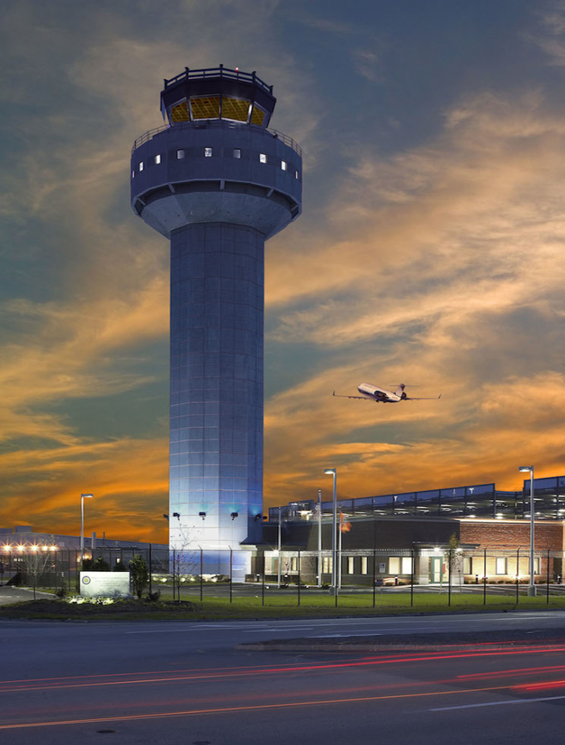
According to Wikipedia, the FAA’s Air Traffic Organization (ATO) provides essential air navigation services. This includes the operation of Airport Traffic Control Towers, Terminal Radar Approach Control Facilities, and Air Route Traffic Control Centers. Beyond these core functions, the agency oversees commercial space transportation, develops programs to mitigate aircraft noise, and manages the Next Generation Air Transportation System (NextGen) to modernize navigation procedures.
Current Safety Notices and Airspace Management
As of late May 2026, the FAA is actively issuing public notices regarding airspace safety and maintenance. Records from FAASafety.gov indicate that recent directives include GPS interference testing at multiple locations, such as Fort Campbell, Kentucky, and Twentynine Palms, California, scheduled through early June. These notices serve as critical guidance for pilots navigating restricted or potentially compromised airspace, ensuring that flight crews are aware of signal degradation risks in designated military operating areas.
The agency also maintains strict safety oversight through its Aviation Safety (AVS) line of business, which handles the certification of pilots, airlines, and mechanics. The Airports (ARP) division continues to plan and develop the national airport system, awarding approximately $3.5 billion annually in grants for airport planning and construction. These funds are distributed through the Airport Improvement Program, which supports capital projects ranging from runway rehabilitation to the expansion of terminal facilities to accommodate increased passenger traffic at both commercial service and general aviation airports.
Regulatory Oversight and Public Engagement
The FAA maintains a headquarters at 800 Independence Ave., SW, Washington, DC 20591, and provides a toll-free contact number, 1-866-TELL-FAA (1-866-835-5322), for public inquiries. The agency’s role in regulating civil aviation is supported by local offices known as Flight Standards District Offices (FSDOs). These offices serve as the primary point of contact for the aviation community, conducting surveillance of air carriers and air agencies, investigating aviation incidents, and processing certification requests for airmen and aircraft operators.

While the FAA manages complex technological systems, including satellite-based augmentation systems for performance-based navigation, it remains the primary authority for addressing safety alerts for operators. Recent safety notices issued in May 2026 demonstrate the agency’s ongoing response to technical concerns, such as the Slick Champion Aerospace 4300 Series magneto impulse coupler failures and Robinson Helicopter Company push-pull tube issues. These directives represent mandatory actions required of owners and operators to mitigate mechanical risks identified through the agency’s continuous airworthiness monitoring programs.
The agency’s mission remains focused on the integration of fixed-wing and rotorcraft operations within the National Airspace System, ensuring that safety standards are applied consistently at facilities ranging from major commercial airports to smaller heliports. This integration effort includes the implementation of standardized procedures for Unmanned Aircraft Systems (UAS), as the FAA works to incorporate drone operations into controlled airspace without disrupting traditional manned flight paths. By balancing the demands of commercial aviation, general aviation, and emerging aerospace technologies, the FAA continues to adapt its regulatory framework to address the evolving requirements of the United States aviation infrastructure.
