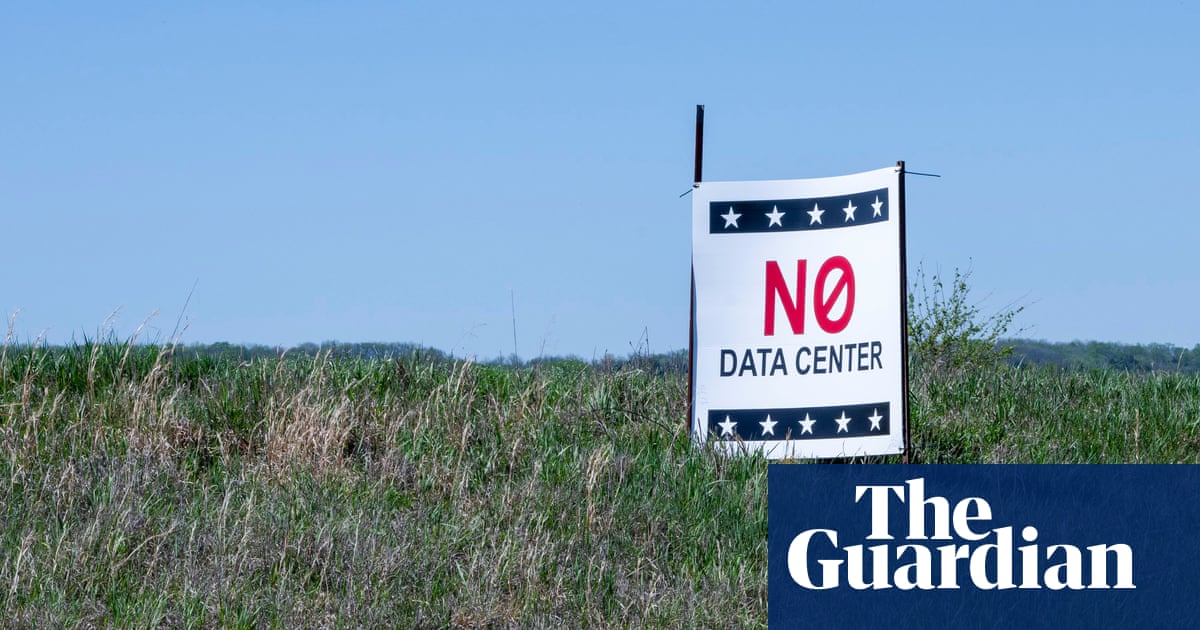
Federal law enforcement agencies are tracking a rise in anti-tech extremism as public backlash against artificial intelligence intensifies across the United States. Following violent incidents in 2026—including attacks on the homes of an OpenAI executive and an Indianapolis council member—authorities are increasingly monitoring anti-AI rhetoric, labeling some protesters as potential domestic violent extremists.
Violent Incidents and the Rise of Anti-AI Extremism
The tech industry’s rapid expansion has spurred a wave of aggressive, sometimes violent, pushback. In April 2026, a man was charged with attempted murder after allegedly throwing a Molotov cocktail at the home of OpenAI CEO Sam Altman, according to reporting by SOFX. Investigators discovered a document titled “Your Last Warning” at the scene, which listed other AI executives the suspect allegedly intended to target. That same month, Indianapolis City-County Council member Ron Gibson discovered 13 bullet holes in his home after he publicly supported a $500 million data center project. In a subsequent press conference, the Indianapolis Metropolitan Police Department confirmed that the shooting remains an active investigation, with detectives reviewing security footage from neighboring properties to identify the perpetrator of the drive-by attack.

These events fit into a broader pattern identified by researchers. As noted by The Guardian, a 20-year-old Texas man was arrested earlier this year near OpenAI’s headquarters with kerosene and an anti-AI manifesto. In Rome, an influencer was detained for allegedly plotting attacks inspired by Ted Kaczynski, while two “ecofascists” who attacked a San Diego mosque cited “AI slop” as a primary motivation for their violence. Court records from the San Diego incident show that the defendants had utilized encrypted messaging apps to coordinate their movements, an operational security measure that the Department of Justice has increasingly highlighted in recent terrorism-related indictments.
Surveillance of First Amendment Activity
The government’s response has triggered concerns regarding civil liberties. A confidential bulletin from the Delaware Valley Intelligence Center revealed that police in Philadelphia are monitoring social media commentary critical of AI data centers. According to The Intercept, the agency categorized “disruptive First Amendment activity” as a risk indicator for domestic violent extremism, despite acknowledging a “lack of specific information on plans to target AI data centers in the Philadelphia area.” The document, which was leaked to privacy advocates, suggests that fusion centers are prioritizing the monitoring of digital discourse even in the absence of actionable intelligence regarding kinetic threats.
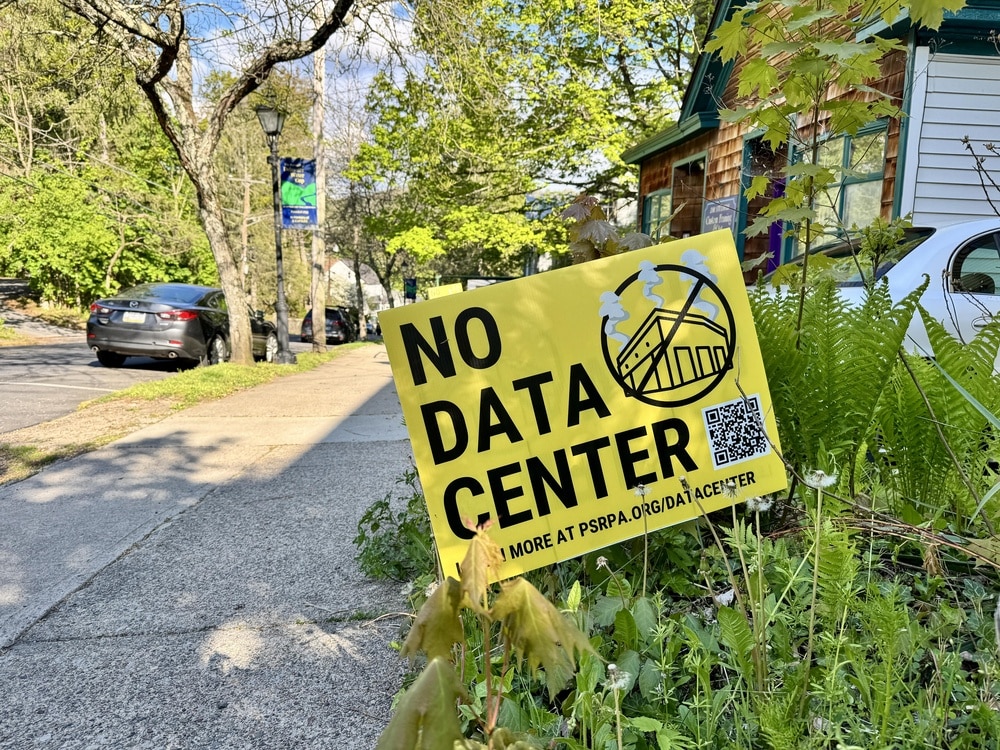
Critics argue this represents an overreach into protected political speech. Philadelphia civil rights lawyer Paul Hetznecker stated that the fusion center’s report attempts to characterize “legitimate, popular political concerns” as something dangerous. Gadget Review reported that police analysts have gone as far as flagging science-fiction references—such as the “Butlerian jihad” from the novel Dune—and sarcastic memes as potential threat indicators, raising questions about the threshold for domestic extremism investigations. In a public hearing held by the Philadelphia City Council last month, council members questioned the Chief of Police regarding the criteria used to determine when a digital post transitions from protected speech to a subject of police surveillance, though the department cited ongoing litigation as the reason for withholding specific internal policies.
The Velocity of Technological Change
Experts suggest that the current climate of unrest is driven by the sheer speed at which AI is disrupting society. Jordyn Abrams, a researcher at the Program on Extremism at George Washington University, noted, “AI is becoming this driver of political violence, and that’s a very new phenomenon.” This sentiment is echoed by Yannick Veilleux-Lepage of the Royal Military College of Canada, who argues that the lack of time for public resilience is a critical factor.
“To radicalize people, you don’t actually need to have theorists or ideologues that are calling people to violence against AI, because the tech CEOs are doing a pretty good case.”
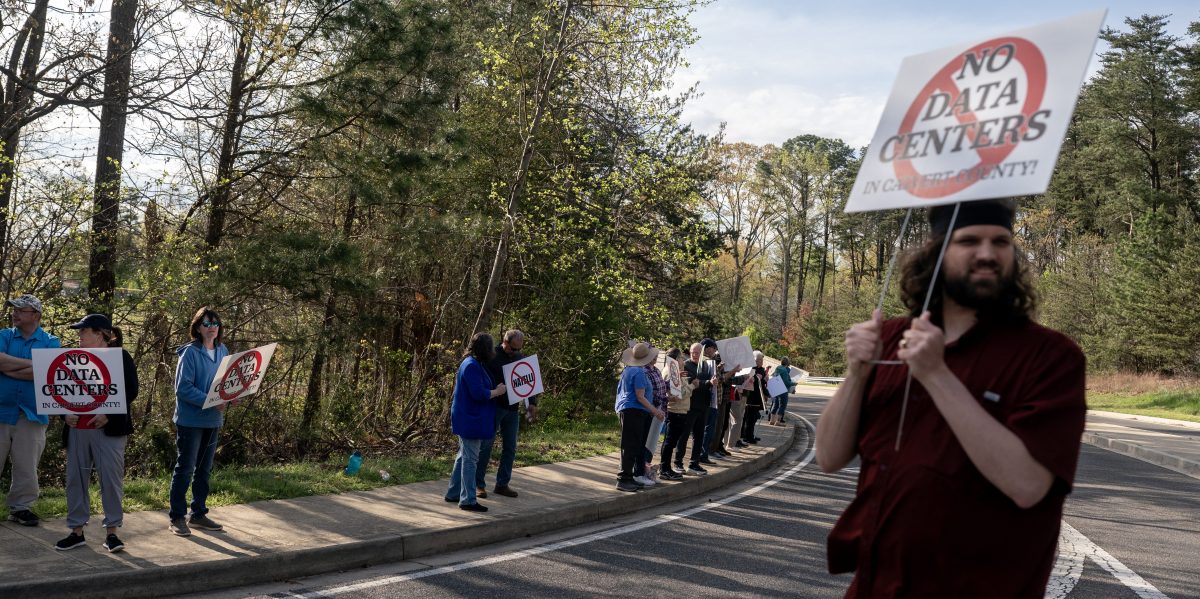
The Department of Homeland Security (DHS) has begun integrating this perspective into its threat assessments. According to a June 2026 advisory distributed to local law enforcement partners, the agency noted that “the rapid adoption of generative AI tools has outpaced the development of social and legal norms, creating a vacuum that is being exploited by fringe elements.” This assessment aligns with observations from the Center for Strategic and International Studies (CSIS), which recently testified before the Senate Judiciary Committee that private infrastructure, specifically data centers, has become a primary target for actors who feel disenfranchised by the rapid pace of automation.
As AlterNet reports, the industry is already reacting to these heightened threats. SpaceX disclosed in its recent IPO filing that it spent $4 million annually on private security, doubling its expenditure from two years prior. Meanwhile, major AI firms are actively hiring counter-terrorism experts to protect their facilities and leadership. In Silicon Valley, several major AI firms have formed an informal intelligence-sharing consortium, according to sources familiar with the arrangement, to coordinate with private security firms on identifying potential threats before they reach physical sites.
Accountability Gaps and Future Risks
The tension between public opposition and infrastructure development shows no sign of abating. With 46% of registered U.S. voters holding negative views of AI technology, the potential for civil unrest remains high. Mauro Lubrano, author of Stop the Machines: The Rise of Anti-Technology Extremism, warned that the current accountability gap—where citizens feel authorities are failing to regulate the industry—may push more individuals toward radicalization.
“When authorities are too busy, or just don’t care enough, to regulate and take action, then people affected are going to take action,” Lubrano said. The legislative landscape appears to be struggling to keep pace, with pending bills in both the House and Senate proposing stricter oversight for data center siting and AI energy consumption. However, lobbyists for the AI industry have pushed back, arguing that such regulations could stifle innovation and weaken national competitiveness against foreign powers.
As federal agencies continue to coordinate intelligence sharing across the country, the challenge remains to distinguish between legitimate environmental and zoning activism and genuine threats to critical infrastructure. The FBI’s Domestic Terrorism Operations Section has reportedly established a dedicated task force to monitor these intersections, though no official press release has been issued to date. In the meantime, local authorities in regions slated for major data center development—including parts of Virginia, Ohio, and Arizona—have increased patrols around proposed construction sites, citing the potential for “copycat” incidents following the violence in Indianapolis earlier this year.
