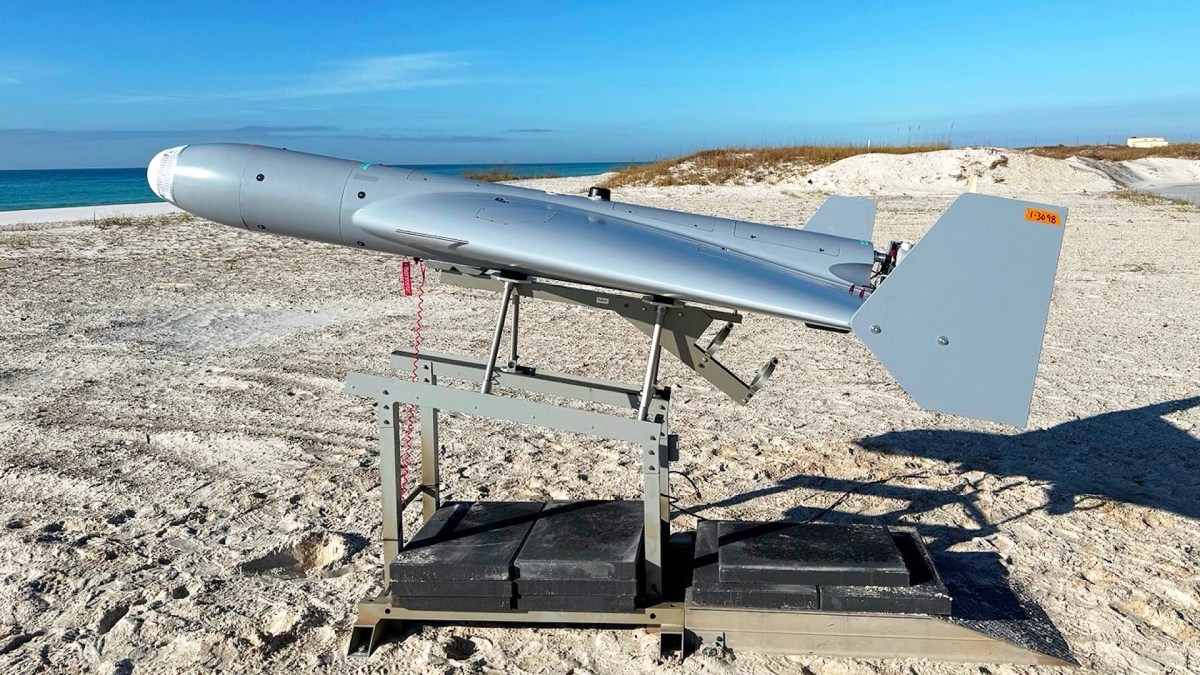
The U.S. military is integrating Shield AI’s Hivemind autonomy software into its LUCAS kamikaze drones, marking a significant shift in how the Pentagon approaches low-cost, swarming strike capabilities. The program, developed by SpektreWorks and backed by the Office of the Under Secretary of Defense for Research and Engineering, aims to deploy thousands of $35,000 drones capable of coordinated attacks, with a real-world test planned for later this year. The move follows the drones’ combat debut in February 2026 during the U.S.-led strike on Iran, where they demonstrated their ability to overwhelm enemy defenses at a fraction of the cost of traditional missiles.
Shield AI’s Hivemind: Revolutionizing LUCAS Drone Swarming
The integration of Hivemind, Shield AI’s AI-driven autonomy platform, represents a leap forward for the LUCAS program. Originally based on the Iranian Shahed-136, LUCAS was designed to deliver “affordable mass” by producing large numbers of low-cost drones. With Hivemind, these drones will no longer operate in isolation but will instead function as a cohesive swarm, adapting in real time to battlefield conditions. “What AI pilots enable is reduced cost per effect because you’re having higher success rates,” said Brandon Tseng, co-founder and president of Shield AI, in an interview with CNBC. The system allows drones to reroute mid-mission, avoid threats, and even shift targets based on live data, a capability that could redefine asymmetric warfare.
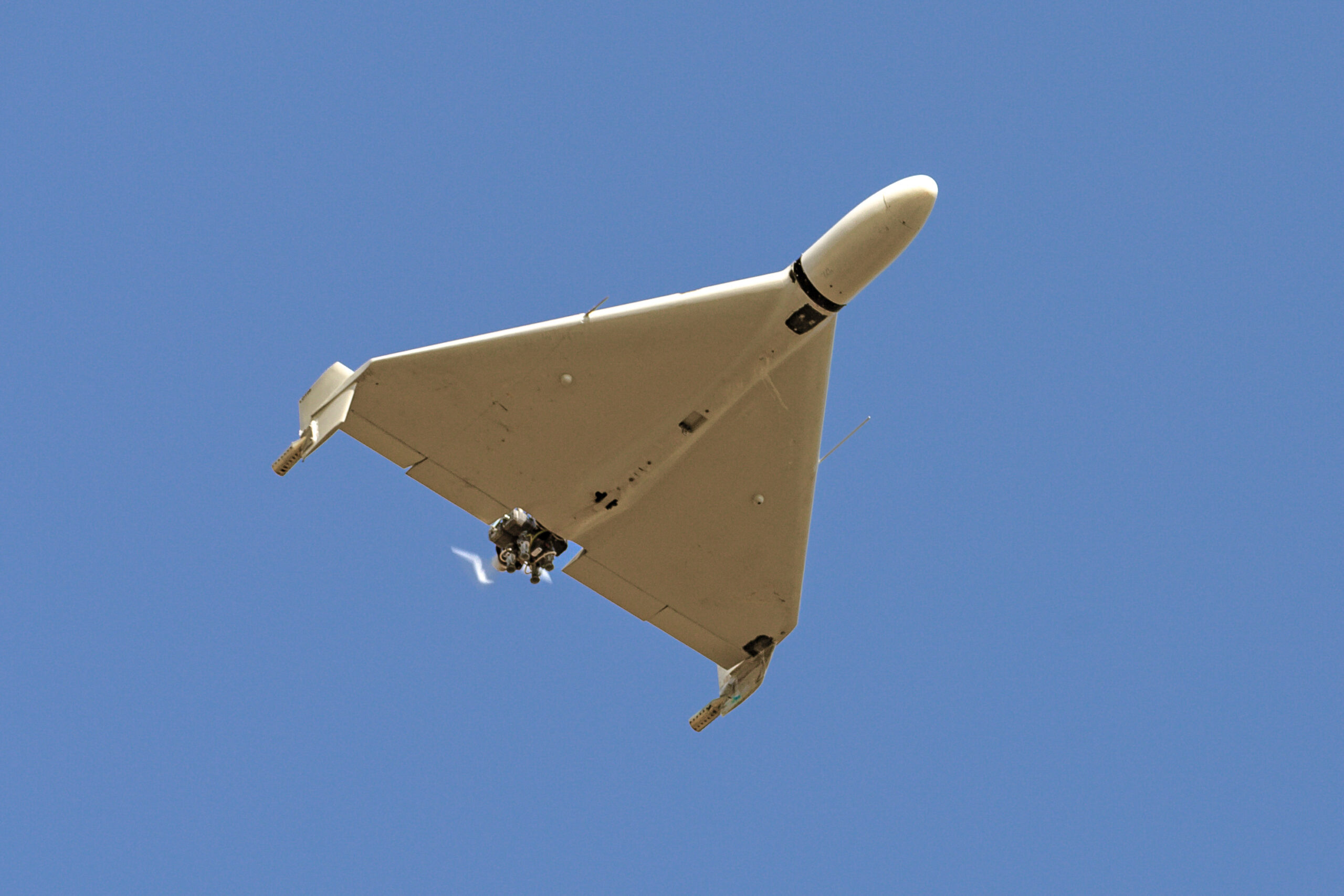
Shield AI’s Hivemind has already been tested on platforms like Anduril’s YFQ-44A unmanned fighter and Ukraine’s Ruta cruise missiles, though its deployment on LUCAS marks a major milestone. The Pentagon’s decision to partner with the startup underscores its push to leverage AI for cost-effective military solutions. “They actually have the tools that they need to go and affect the battlefield,” Tseng added, emphasizing the software’s role in empowering operators to manage swarms with minimal overhead.
Cost Efficiency and Strategic Implications
LUCAS’s $35,000 price tag is a fraction of the cost of traditional long-range missiles, which can range from $10,000 to $55,0000 per unit, according to the Pentagon. This affordability allows the military to deploy large numbers of drones, saturating enemy defenses and reducing the risk to personnel. “It’s better to the American taxpayer at the end of the day, because it’s cheaper to destroy a target, but it’s also keeping our war fighters safer,” Tseng told CNBC. The system’s low cost also makes it a viable alternative to more expensive options like the $1–2 million cruise missiles.
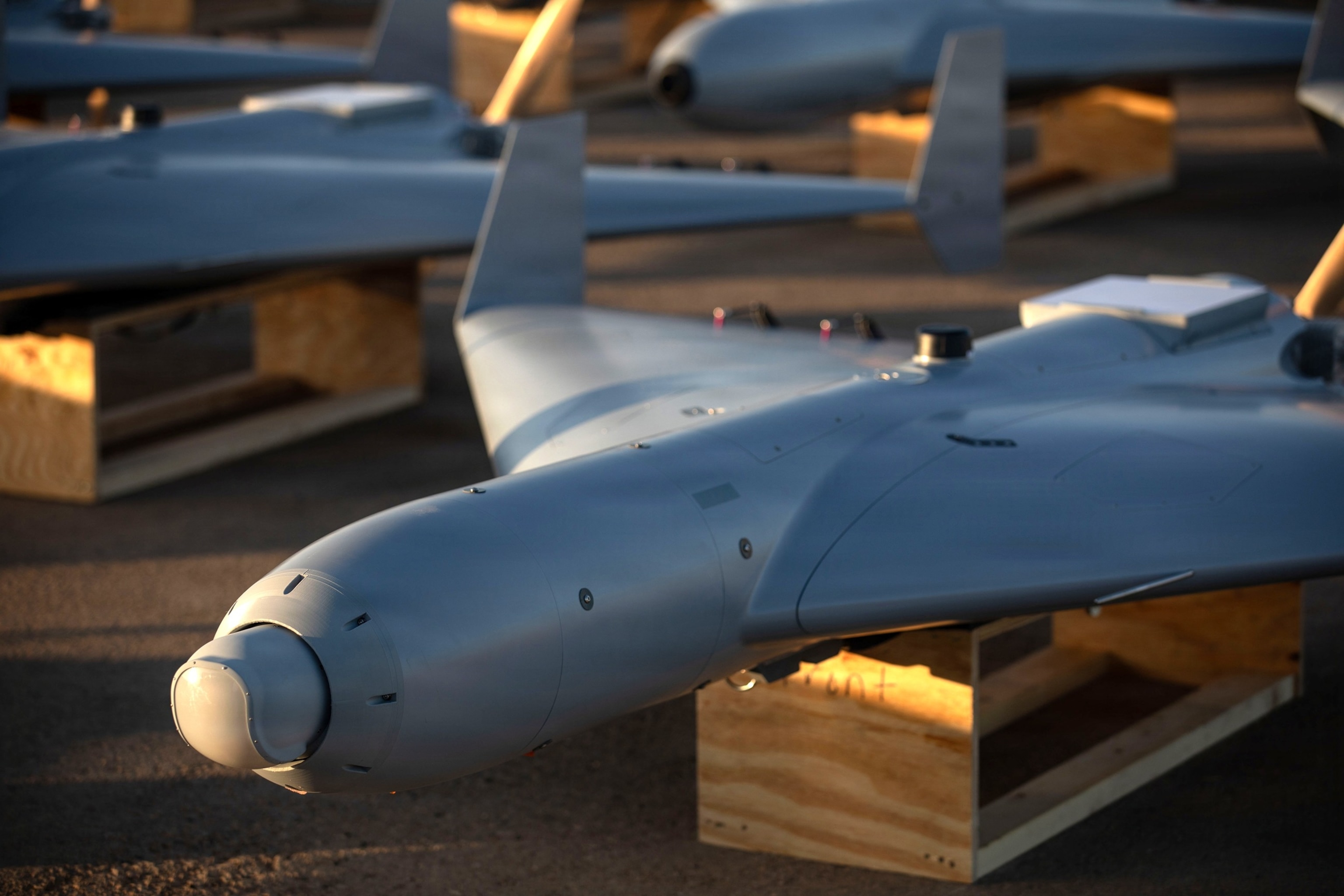
However, the integration of Hivemind may slightly alter this cost equation. While the exact impact on LUCAS’s unit price remains unclear, the software’s complexity could add to development expenses. For reference, Ukraine’s FP-1 drone costs around $55,000, and Russian Shahed variants are even pricier. Despite this, LUCAS’s smaller range—half that of the Shahed-136—is offset by its rapid production and ease of deployment. “LUCAS, indispensable,” U.S. Central Command boss Adm. Brad Cooper said of the drones, highlighting their role in preserving “magazine depth” during conflicts.
Ukraine’s Role in Testing Hivemind Technology
The Hivemind system’s deployment on LUCAS is not without precedent. Shield AI has been quietly testing its V-BAT drones in Ukraine, where the software has been integrated into Ruta cruise missiles and Hornet air defense drones. These platforms, used by Ukrainian forces, demonstrate the real-world viability of AI-driven swarming. “It’s really about doing everything that we have done in Ukraine onto an American-made platform that is going to be used in volumes,” Tseng said, pointing to the potential for Hivemind to scale across U.S.
