
A fatal car explosion in Balashikha, Russia, on June 9, 2026, has prompted a security crackdown across Moscow. While independent reports identify the victim as Damir Davydov, a senior Russian Defense Ministry official, state authorities have not confirmed his identity. The incident follows a pattern of high-profile assassinations targeting Russian military personnel.
The Balashikha Explosion and Victim Identification
The blast occurred at approximately 5:30 a.m. local time on June 9 in Balashikha, a suburb east of Moscow. Witnesses reported the incident took place as the driver attempted to exit a parking space in his BMW X3 SUV. According to UNITED24 Media, bystanders attempted to rescue the driver from the burning vehicle, but he died at the scene from multiple injuries.
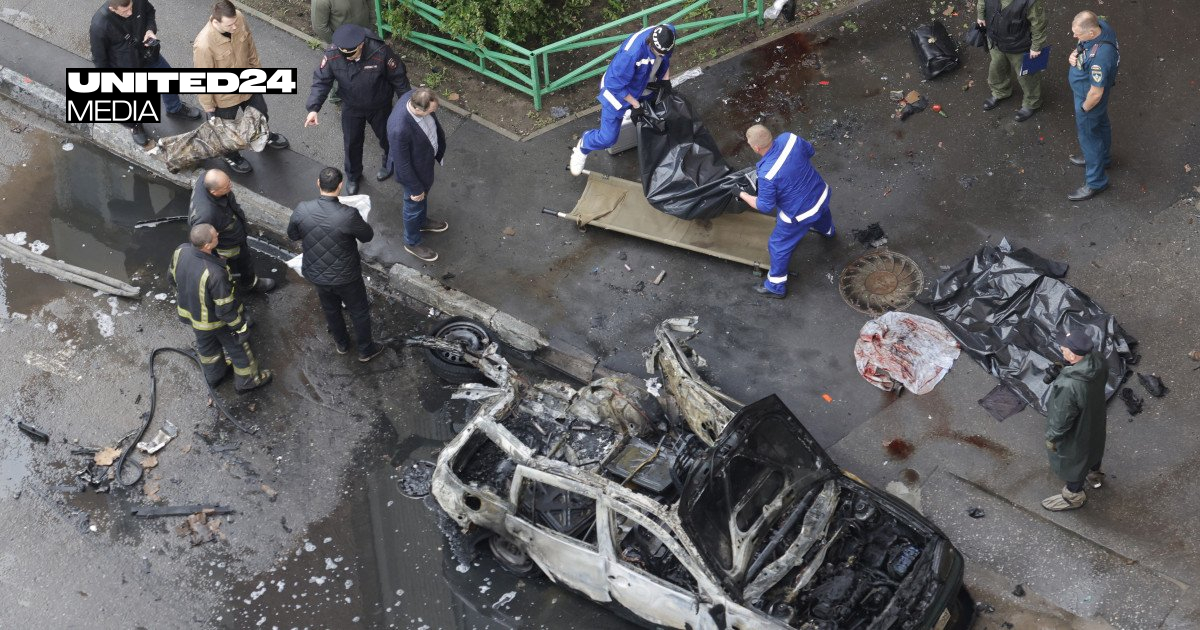
While multiple outlets, including the Telegram channel VChK-OGPU and Ukrainian blogger Anatoly Shariy, identified the victim as Damir Davydov—the head of the Russian Defense Ministry’s Main Missile and Artillery Directorate—this remains unconfirmed by official sources. Meduza noted that it could not independently verify the identity of the deceased. Russia’s Investigative Committee has opened a criminal case into the detonation of an explosive device, which investigators believe contained the equivalent of up to 500 grams of TNT, as reported by The Moscow Times.
The Investigative Committee, the primary federal agency responsible for investigating major crimes in Russia, often maintains strict control over the release of information during active counter-terrorism or sabotage investigations. The failure to confirm the victim’s identity immediately following the blast is consistent with historical precedents in high-profile attacks, where authorities seek to manage public perception and conduct internal security reviews before acknowledging the loss of high-ranking personnel.
Escalating Security Concerns Across Moscow
Following the Balashikha incident, authorities recorded additional security alerts throughout the capital. Later on June 9, a Zeekr electric vehicle caught fire at an intersection in the Konkovo district. Investigative Committee officials confirmed that a “suspicious object” was discovered beneath the car and subsequently neutralized via a controlled detonation.
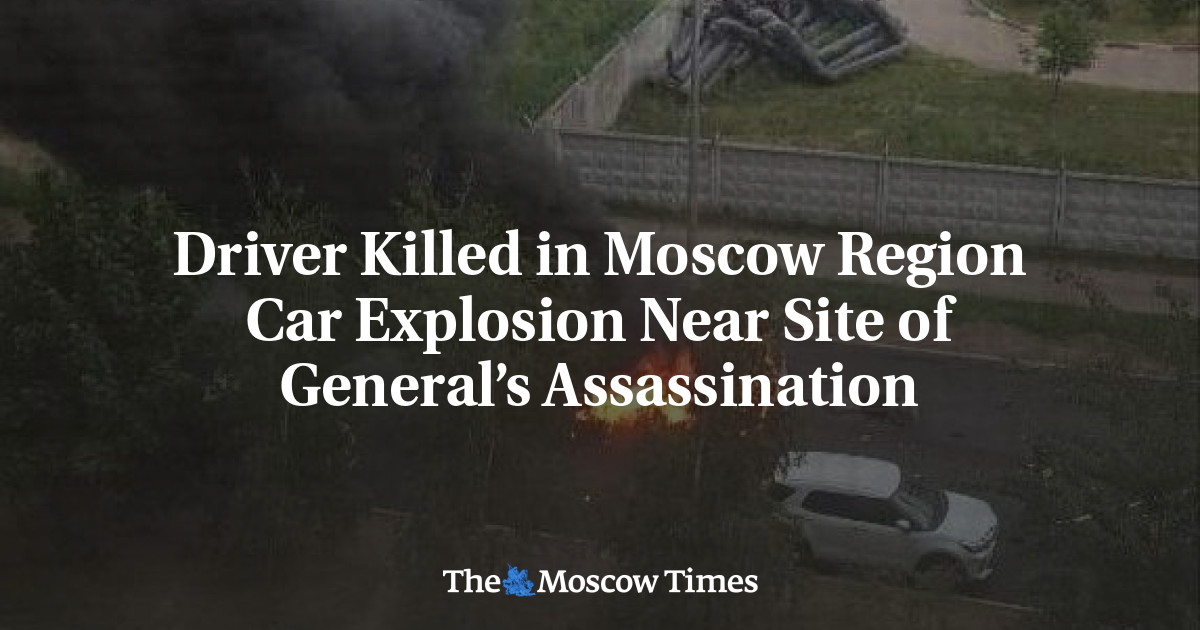
By the evening, emergency services cordoned off the “Nebo” shopping center in the Solntsevo district after a similar “suspicious object” was located under a parked vehicle. The facility was evacuated as a precaution. These incidents have triggered mass vehicle searches across the region, reflecting heightened anxiety among security forces regarding potential sabotage. The Guardian reports that these events occur against the backdrop of ongoing Ukrainian strikes on Russian energy infrastructure, which have already caused artificial panic buying of gasoline in southern regions like Krasnodar.
The deployment of security forces to conduct widespread vehicle inspections highlights the logistical challenges faced by the Russian Ministry of Internal Affairs. In a metropolitan area as vast as Moscow, the ability to monitor private vehicles for explosive devices necessitates significant manpower and often results in public disruption. These measures are frequently implemented by the Kremlin to project an image of control while attempting to detect cells that may be operating within the capital’s periphery.
Historical Context of Targeted Assassinations
The location of the Balashikha bombing carries symbolic weight. It is situated near the site where Lieutenant General Yaroslav Moskalik, deputy chief of the Main Operational Directorate of the Russian Armed Forces General Staff, was killed in a similar car bombing in April 2025. In November 2025, a Russian court sentenced a man named Ignat Kuzin to life in prison for that attack, with the FSB alleging he acted on orders from Ukrainian intelligence.
These targeted hits are part of a broader trend of sabotage operations inside Russia since the 2022 invasion of Ukraine. Previous reports from groups like the Atesh partisan movement suggest that sabotage has extended to critical infrastructure, including communication towers used for air defense coordination. As the investigation into the latest explosion continues, the Russian government faces mounting pressure to secure its military leadership against what appears to be a persistent and evolving threat within its own borders.
The use of improvised explosive devices (IEDs) against military and state-affiliated targets has become a hallmark of what analysts describe as an “asymmetric war” being fought behind the front lines. The Russian Federal Security Service (FSB) is tasked with identifying the networks responsible for these attacks, but the nature of such “lone wolf” or small-cell operations often complicates traditional surveillance methods. The repetition of these incidents in the Moscow region indicates a shift in the perceived security of the Russian capital, which had previously been considered insulated from the kinetic realities of the ongoing conflict.
Proposed EU Sanctions and Economic Pressure
As internal security challenges mount, external economic pressure continues to tighten. The European Commission has proposed a new round of sanctions aimed at restricting Russia’s military-industrial capabilities. These measures include:
- Maintaining a price cap on Russian oil at $44 until January 2027.
- Blacklisting 30 additional “shadow fleet” oil tankers.
- Banning imports of Russian metals, ores, and car parts valued at €60m (£52m).
- Expanding export restrictions on metals and alloys utilized in the aerospace and defense sectors.
European officials also intend to ban Russian soldiers from entering member states. While these sanctions represent a strategic attempt to cripple Kremlin revenue streams, the omission of certain alumina exports from the proposal has drawn scrutiny, particularly regarding supply chains connecting Irish-based plants to Siberian smelters.
The diplomatic implications of these sanctions are significant, as they reflect the European Union’s commitment to curbing the Russian defense sector’s access to dual-use technologies. The “shadow fleet” refers to a collection of tankers operating outside of standard Western insurance and regulatory frameworks, an issue that international maritime bodies have struggled to address. By targeting these vessels, the EU aims to increase the cost of Russian energy exports, thereby limiting the funds available for the state to sustain its military operations and internal security apparatus.
