In April 2026, NASA’s Jet Propulsion Laboratory began shutting down scientific instruments on the Voyager 1 spacecraft, a move necessitated by dwindling power supplies nearly 50 years after launch. While the mission faces a managed silence, the craft continues to carry a gold-plated record intended as an interstellar message for potential future civilizations.
The Evolution of Earth’s Interstellar Message
cluster (priority): Space Daily
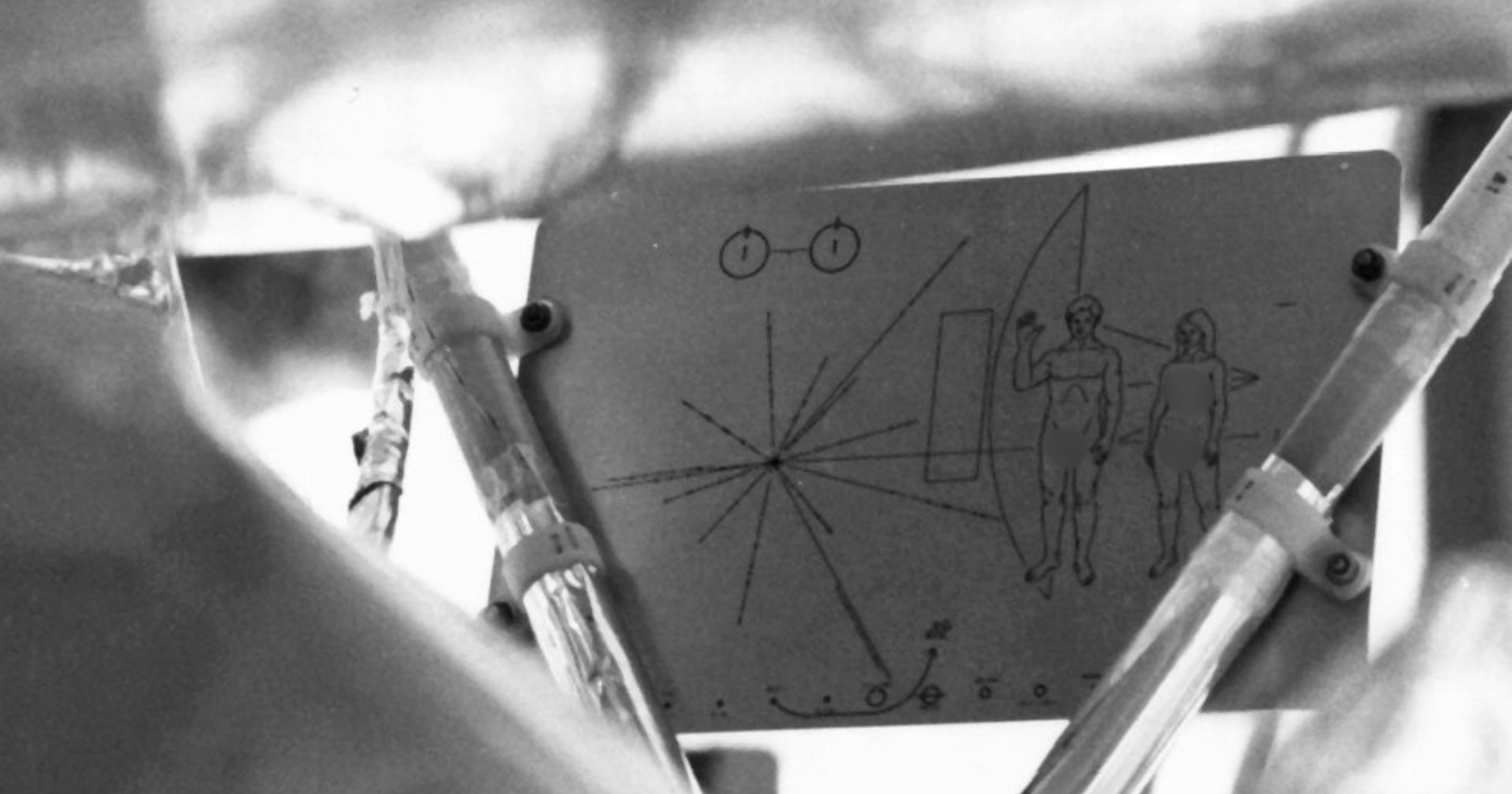
The challenge of representing humanity to an unknown extraterrestrial audience has long balanced scientific ambition with the constraints of public perception. When researchers prepared the Pioneer 10 and 11 plaques in the early 1970s, the design included a line drawing of a nude man and woman. The reception in American newspapers was immediate and often critical, with some publications opting to airbrush the figures before printing. According to Space Daily, the team behind the project had intended for the nudity to provide an anatomically accurate representation of human form, arguing that clothing would only reflect specific cultural contexts.
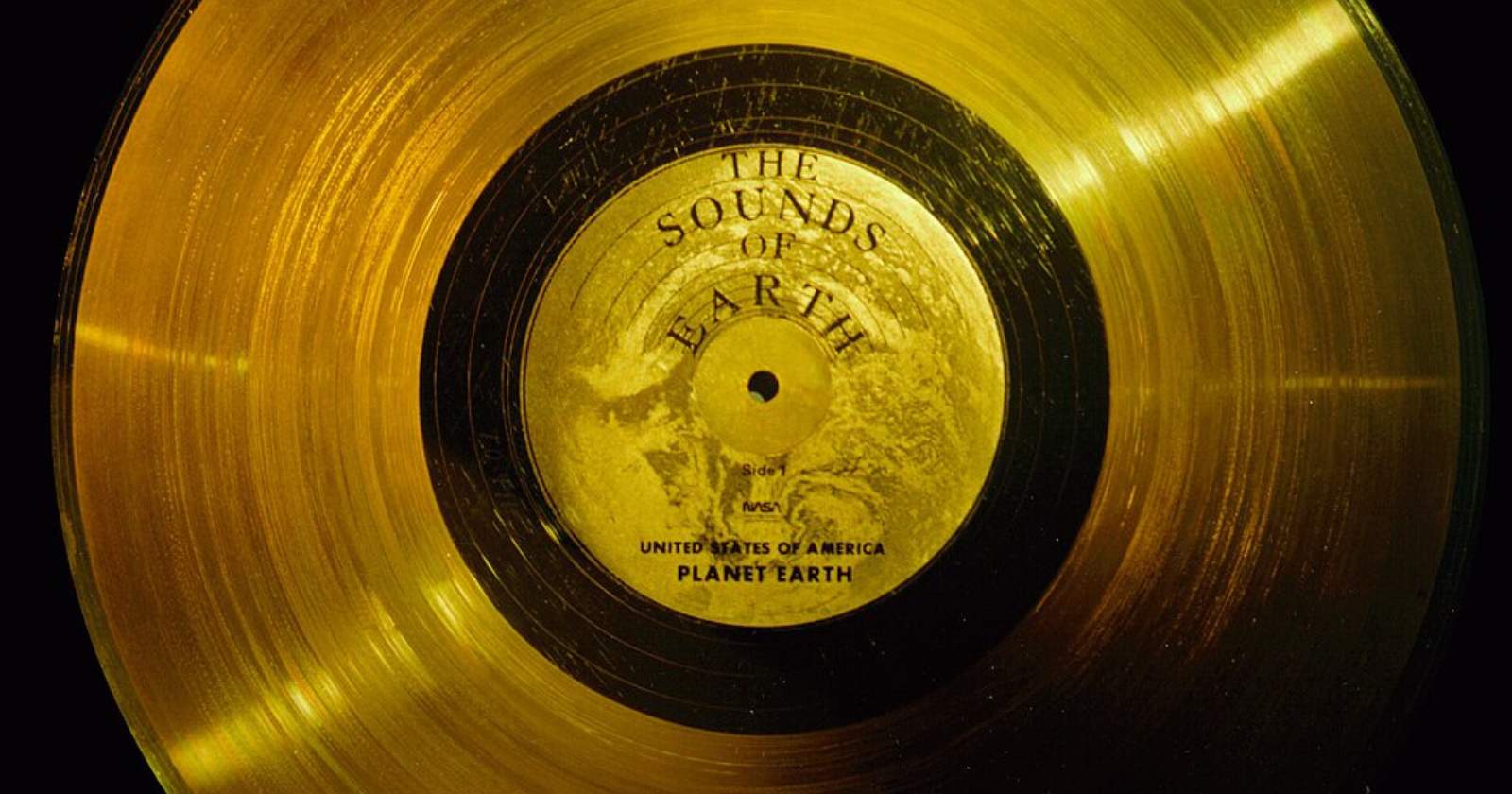
By 1977, when the committee chaired by Carl Sagan of Cornell University began assembling the Voyager Golden Record, the lessons of the Pioneer controversy were clear. The team, which included creative director Ann Druyan and artist Jon Lomberg, sought to include a photograph of a man and a pregnant woman holding hands. NASA ultimately rejected the photograph, leading the team to utilize a silhouette instead. This version preserved the intent of the original composition while removing skin, facial features, and anatomical details that had previously triggered public backlash.
Engineering for Geological Time
The Voyager Golden Record is not merely a collection of data; it is a 12-inch gold-plated copper disk designed to survive for a billion years. The contents are a dense, analog-encoded archive: 115 images, 90 minutes of music, and greetings in 55 languages. As Space Daily reported, the disc includes everything from the sounds of wind and rain to the brainwaves of Ann Druyan, recorded while she meditated on the history of Earth and her recent engagement to Carl Sagan.
To ensure the record can be dated by a future finder, the aluminum cover features a sample of uranium-238. This isotope acts as a radioactive clock. Because uranium-238 has a half-life of approximately 4.5 billion years, its decay rate provides a reliable metric for calculating how long the spacecraft has been in transit. As noted by Space Daily, this is paired with a pulsar map—the same basic diagram used on the Pioneer plaques—which allows a finder to cross-reference the timing based on the slowing rotation of pulsars.
Managing the Final Days of Voyager 1
cluster (priority): Space Daily
The current reality of the Voyager mission is defined by the slow depletion of its plutonium generators. With both Voyager 1 and 2 losing about four watts of power each year, the mission team at the Jet Propulsion Laboratory has been forced to prioritize which instruments remain active. The recent decision to power down the Low-energy Charged Particles experiment was a difficult but necessary step.
Despite the gradual loss of instruments, the spacecraft continue to provide unique data from the interstellar medium. According to Space Daily, two instruments remain operational, continuing the mission’s record of “sending back data from a region of space no other human-made craft has ever explored.”
As the radios eventually fall silent, likely within the 2030s, the physical crafts will continue their trajectory through the galaxy. The debates of the 1970s—whether to show a photograph or a silhouette, what languages to include, or how to represent human life—have become part of the historical record itself. The Voyager Golden Record remains an artifact of a specific committee at a specific time, a provincial portrait of humanity cast into a future that may never see it, but which stands as a testament to the era that launched it.
Leo Andersson covers innovation, AI, and cybersecurity. A former engineer turned journalist from Stockholm, Leo has contributed to major tech outlets across Europe. His analytical style and deep understanding of technology trends define Globally Pulse’s forward-looking reporting.