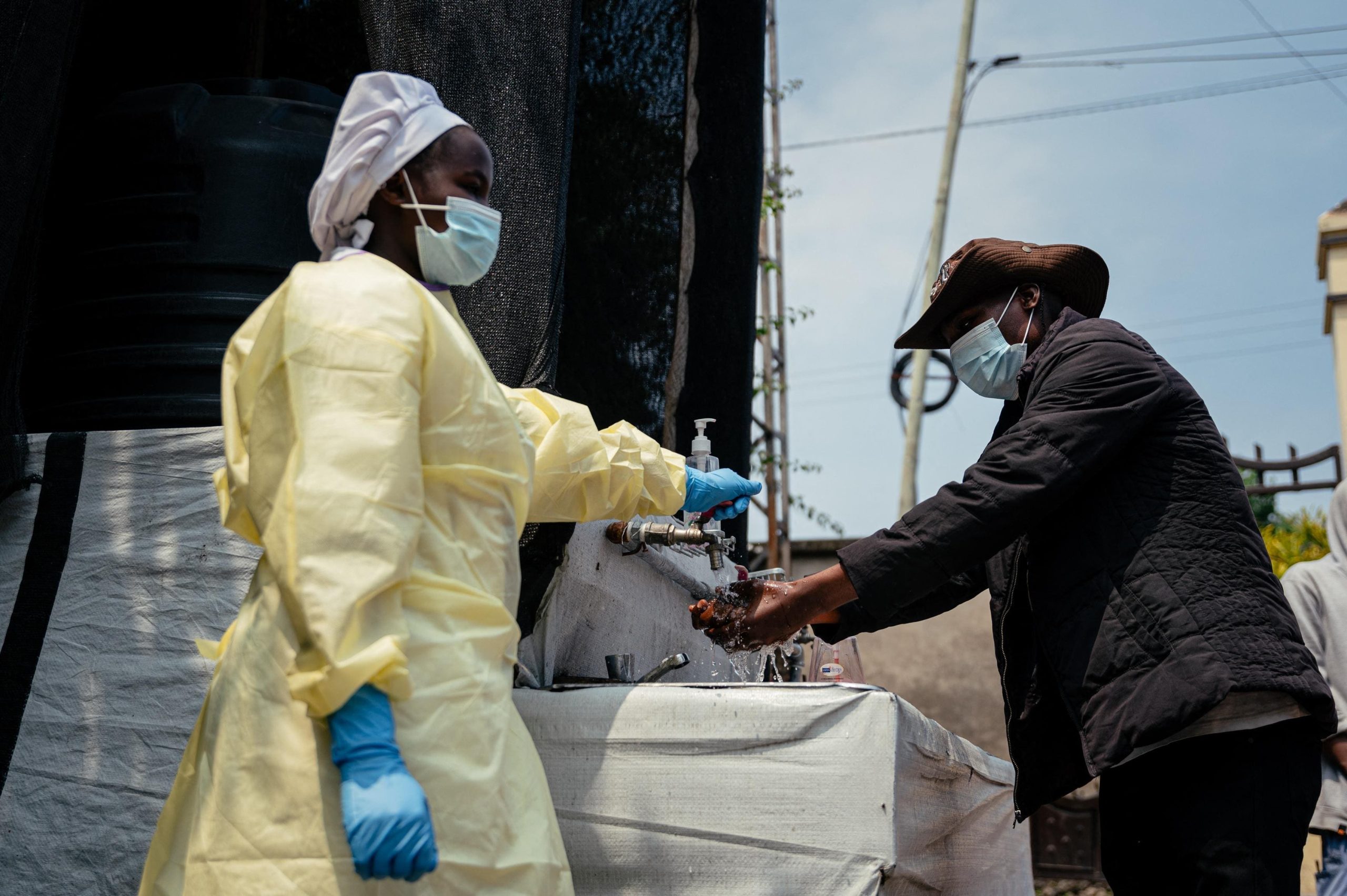
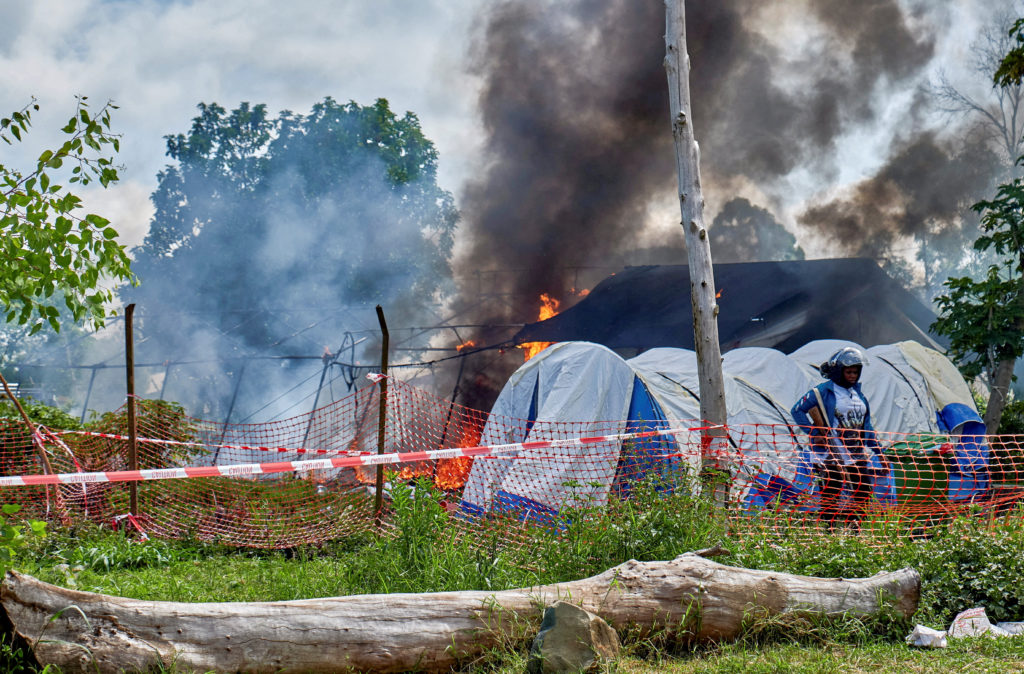
Unidentified attackers set fire to a treatment tent in Mongbwalu, DRC, on Friday, May 22, leading to the escape of 18 suspected Ebola patients and triggering a public health crisis in the heart of an ongoing outbreak. The attack, the second such incident in the region this week, has deepened fears of the Bundibugyo virus spreading beyond its epicenter in Ituri Province. Dr. Richard Lokudi, director of the Mongbwalu General Reference Hospital, condemned the act, stating it caused “panic among the staff of the Mongbwalu Referral Hospital and also resulted in the escape of 18 suspected cases into the community.” The World Health Organization (WHO) has since raised the risk assessment for the outbreak in Congo to “very high,” though it maintains the global spread risk remains low.
Timeline of Violence and Escalating Crisis
The attack on the treatment tent in Mongbwalu followed a pattern of community unrest linked to burial restrictions. On Thursday, May 21, residents in Rwampara burned down another Ebola treatment center after being denied access to a deceased relative’s body—a practice that risks further transmission. “We strongly condemn this act,” Lokudi said, emphasizing the danger of uncontrolled burials. The WHO reported over 600 suspected cases and 148 suspected deaths in the outbreak, with numbers expected to rise as surveillance expands. By May 23, the agency confirmed 82 cases and seven deaths in Congo, though Dr. Tedros Adhanom Ghebreyesus, WHO director-general, described the situation as “much larger” than official figures suggest.

The violence has disrupted containment efforts. In Bunia, another town within the outbreak zone, authorities conducted a high-security burial on Saturday amid heightened tensions. The DRC’s Ministry of Health banned funeral wakes and gatherings of more than 50 people to curb transmission, but local resistance persists. “The dangerous work of burying suspected victims is being managed wherever possible by authorities, which can be met by protests from families and friends,” a WHO statement noted. The latest attack, however, has exacerbated these tensions, with 18 suspected cases now unaccounted for in the community.
Global Spread and Health System Strain
The outbreak’s reach extends beyond DRC. Uganda reported three new Ebola cases on May 23, bringing its total to five. The cases include a driver who transported the country’s first victim, a healthcare worker who treated them, and a Congolese woman who entered Uganda with symptoms on May 14. Uganda’s Ministry of Health is monitoring contacts of the new cases, though the WHO described the situation in Uganda as “stable.” Meanwhile, a U.S. citizen identified as a “high-risk contact” was transferred to the Czech Republic, highlighting the virus’s potential for international spread.
The lack of a vaccine for the Bundibugyo strain has compounded the crisis. The virus went undetected for weeks in Ituri Province after initial tests for a more common Ebola strain returned negative. Dr. Jean Kaseya, director-general of the Africa Centers for Disease Control and Prevention, stressed the need to “build trust with communities” to combat misinformation and resistance. The International Federation of Red Cross and Red Crescent Societies confirmed that three volunteers died from the outbreak in Mongbwalu, underscoring the risks faced by frontline workers.
Political and Social Fallout
The attacks have exposed deep fractures between local communities and health authorities. In Mongbwalu, the burning of the treatment tent followed a similar incident in Rwampara, where families’ anger over burial restrictions led to the destruction of a facility. “The bodies of those who died of Ebola can be highly contagious and lead to further spread when people prepare them for burial and gather for funerals,” the WHO warned. Yet, cultural practices and grief often override public health directives, creating a cycle of violence and outbreak.

Regional governments have responded with mixed strategies. The DRC’s Ministry of Health has enforced strict quarantine measures, while neighboring countries like Uganda have ramped up border screenings. However, the incident of an Air France flight being diverted to Montreal on May 20—after a passenger illegally boarded despite travel restrictions—highlighted gaps in enforcement. “The risk of the disease spreading globally remains low,” Tedros said, but the WHO’s updated risk assessment for Congo reflects growing concern over the outbreak’s trajectory.
What Comes Next?
The immediate challenge is tracing the 18 escaped suspected cases and preventing further transmission. Health workers face both logistical hurdles and community distrust, as seen in the recent attacks. “Building trust with communities” is critical, Kaseya emphasized, but progress will be slow amid ongoing violence. The WHO has called for increased funding and international support, though donor nations have been hesitant to commit resources amid competing global crises.
Long-term, the outbreak raises questions about the adequacy of Africa’s health infrastructure. The Bundibugyo strain’s emergence underscores the need for rapid diagnostic tools and community engagement. As the WHO prepares to review its response, the next 30 days will determine whether the crisis can be contained or if it will spiral into a regional epidemic. For now, the people of Mongbwalu and surrounding areas remain in limbo, caught between fear, grief, and the relentless spread of a virus that has already claimed too many lives.
<a href="https://www.forbes.
