Germany and Japan are undergoing significant military expansions 80 years after the end of World War II, shifting from post-war constitutional restraint to active rearmament. According to IDN-InDepthNews, both nations are responding to global instability by increasing defense budgets and acquiring new strike capabilities, sparking protests from citizens concerned about the return of military power to national life.
Germany’s €100 Billion Defense Shift
Germany has initiated a fundamental change in its defense posture by establishing a €100 billion special fund dedicated to the Bundeswehr. This commitment aligns with the nation’s pledge to meet the NATO requirement of spending at least 2 per cent of its gross domestic product on defense. The modernization effort focuses on upgrading core military assets, including the procurement of F-35 fighter aircraft, the enhancement of existing tank fleets, and the improvement of national air-defense systems.
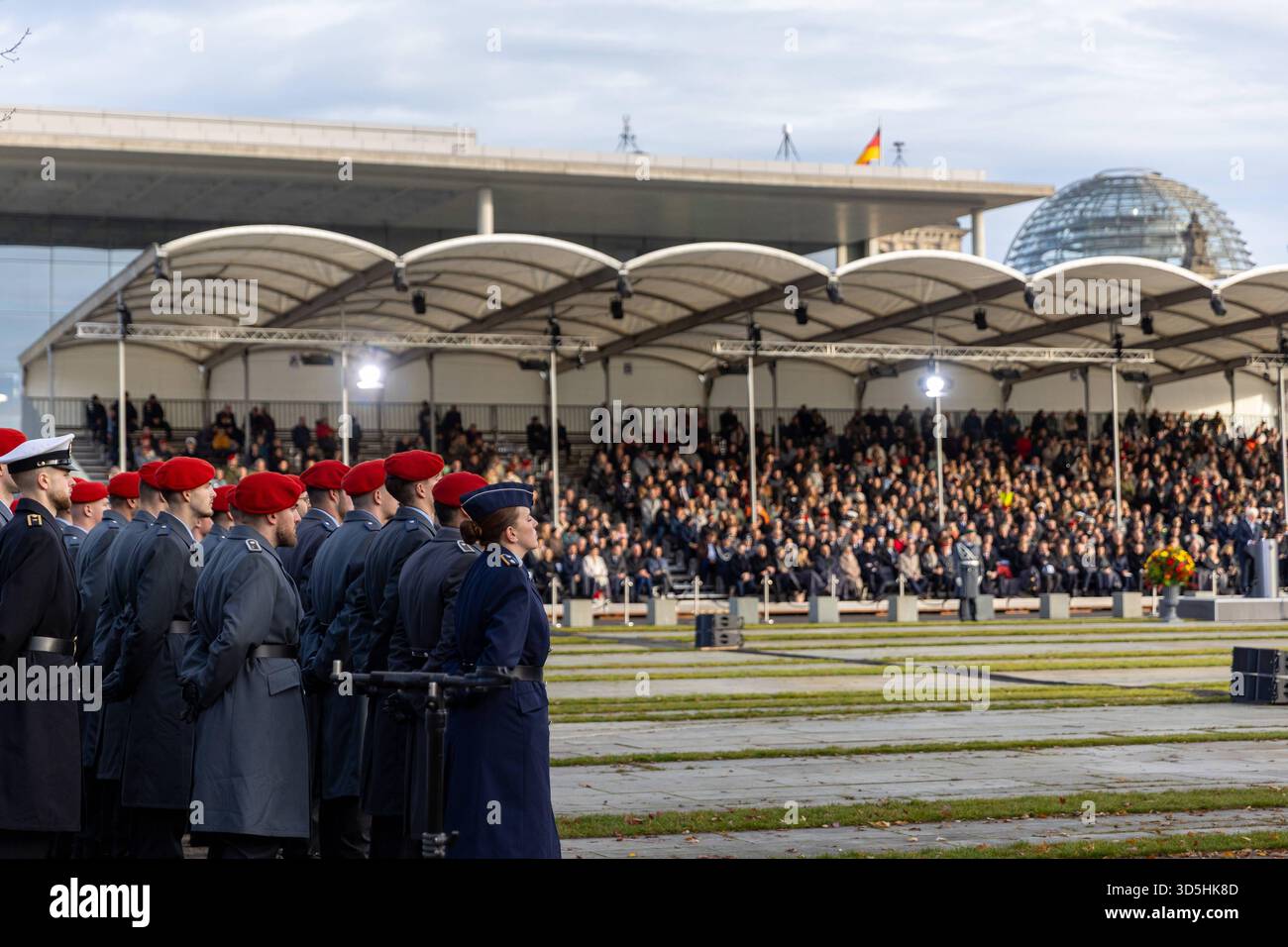
The decision to create the Sondervermögen, or special fund, followed the German government’s declaration of a Zeitenwende, or “turning point,” in security policy. This shift represents a departure from decades of fiscal policy that prioritized balanced budgets and limited military engagement abroad. Official government communications from the Federal Ministry of Defence emphasize that these investments are intended to rectify long-standing equipment shortages and ensure the operational readiness of German forces within the broader NATO alliance structure.

This policy transition has met with public resistance. As reported by IDN-InDepthNews, demonstrators gathered outside the Reichstag in Berlin on 9 June 2026 to protest the earmarking of billions for military purposes. Critics argue these funds should be directed toward domestic priorities such as housing, education, and climate action, echoing long-standing anti-war sentiments in German politics. Public debate often highlights the historical weight of German rearmament, with opponents frequently invoking the constitutional principles of “defensive democracy” intended to prevent the resurgence of aggressive military policy.
Japan’s Expansion and Article 9 Concerns
Simultaneously, Japan is executing the most significant expansion of its defense capabilities since 1945. The government in Tokyo has increased military spending by more than 20 per cent over five years, a move intended to address rising regional tensions in Asia. For the first time in the post-war era, the state is actively acquiring long-range strike capabilities, a move that the Japanese Ministry of Defense describes as necessary for deterrence in a deteriorating regional security environment.
This shift has challenged the traditional interpretation of Article 9 of the Japanese Constitution, which renounces war. Outside the National Diet in Tokyo, activists and survivors of the atomic bombings have organized to defend the constitutional clause that has served as the moral cornerstone of the country’s security policy since 1957. The Liberal Democratic Party (LDP), which has held power for much of Japan’s post-war history, has long advocated for the revision of Article 9 to explicitly legitimize the Japan Self-Defense Forces. Conversely, opposition parties and civil society groups argue that such changes would fundamentally alter Japan’s identity as a pacifist nation, potentially destabilizing relations with neighboring countries that remain sensitive to Japan’s 20th-century imperial history.
Geographic and Structural Context of Germany
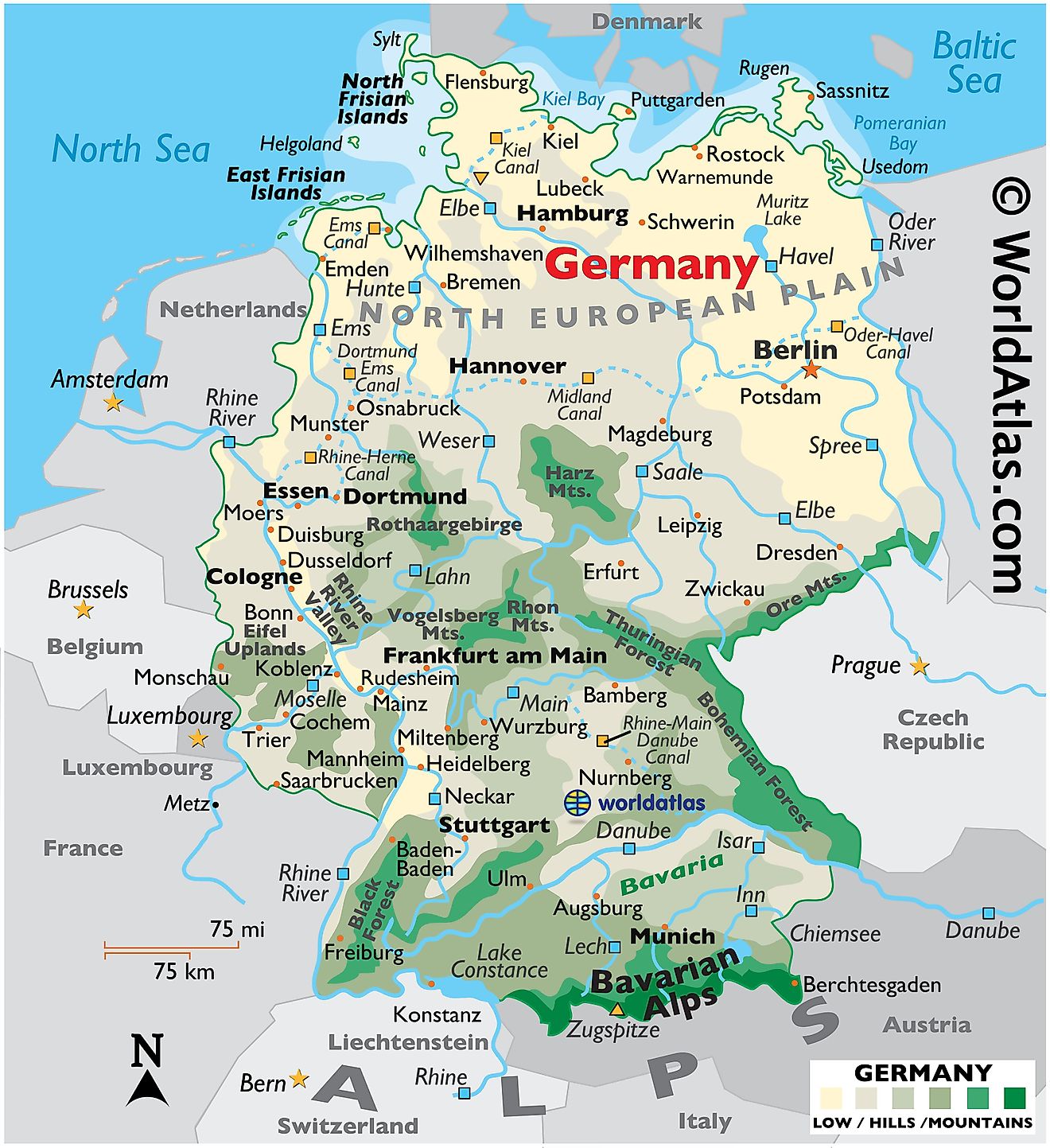
While the political debate centers on military spending, Germany’s physical landscape remains a central feature of its European role. According to WorldAtlas, the country spans approximately 357,022 km2 and serves as a vital watershed for Europe, housing the headwaters of the Rhine and Elbe rivers. The nation’s geography—ranging from the North German Plain to the Bavarian Alps—has historically influenced its strategic outlook, though current defense policy is now driven by international alliance obligations rather than traditional territorial defense alone.

The transition in both Germany and Japan marks a departure from the security dependence that characterized their post-1955 status. In the context of international relations, both nations are navigating the complexities of the “security dilemma,” where defensive military enhancements are perceived as provocative by regional rivals. With new security agreements being finalized in Tokyo and deeper participation in European military-industrial projects in Berlin, the coming years will likely see these nations move further away from their post-war constraints. For now, the internal tension between governments seeking security and citizens wary of militarization remains a defining feature of their domestic politics, reflecting a broader global struggle to balance modern national defense requirements against the legacy of mid-20th-century conflicts.
Find more reporting in our World section.
