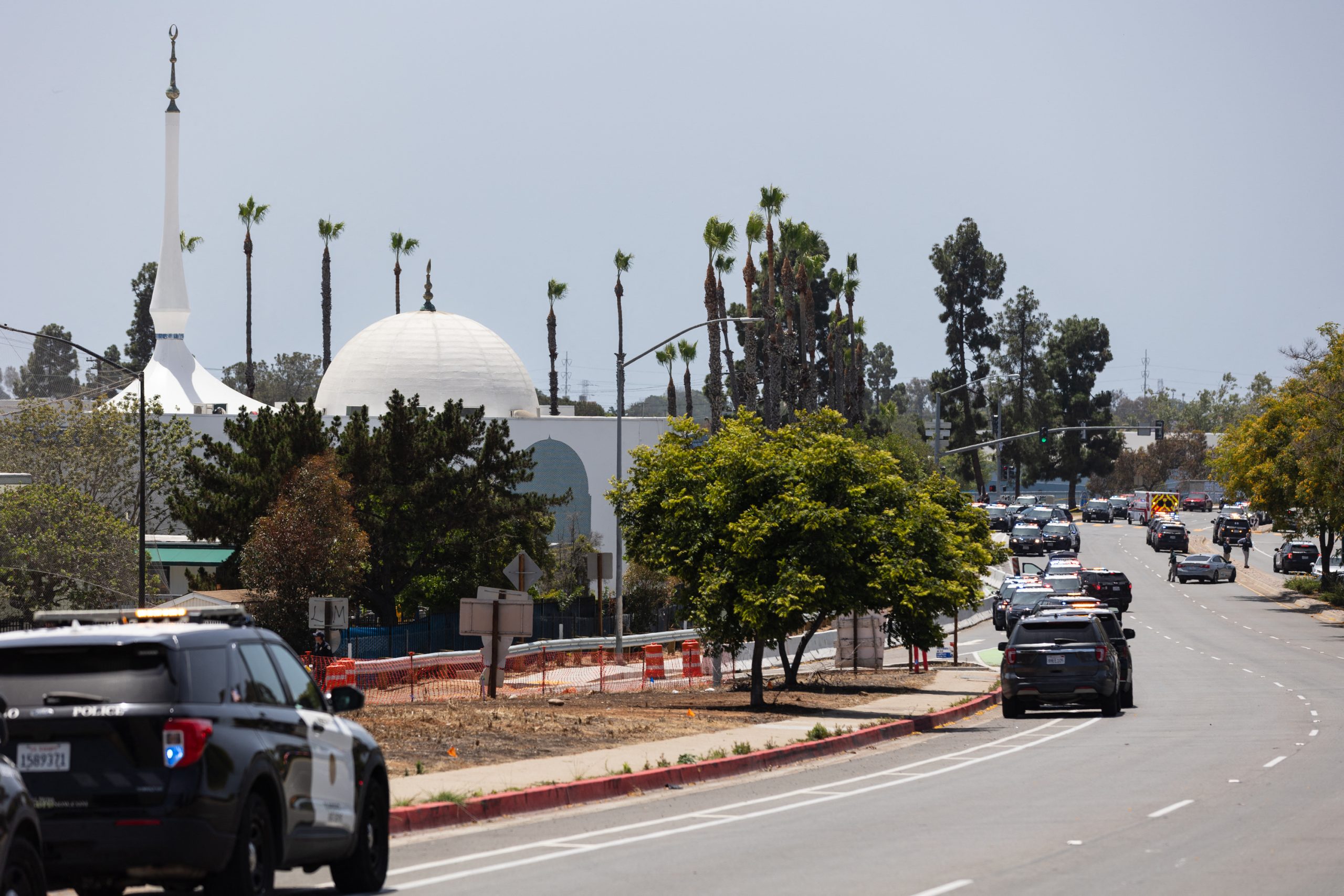
Marco Vazquez, father of one of two teenage gunmen in the 2026 San Diego mosque shooting, voluntarily removed all firearms from his home over a year before the attack, according to court records and a police restraining order issued in January 2025. The move came after authorities flagged his son Caleb Vazquez for “suspicious behavior idolizing Nazis and mass shooters,” with police later raiding the family’s Chula Vista residence following the deadly incident that killed three people.
Gun Removal and Legal Precedent
Marco Vazquez’s decision to remove 26 firearms and ammunition from his home was documented in a court declaration filed in February 2025, just over a year before the shooting. The documents reveal that Chula Vista police had conducted a welfare check on Caleb, 18, and found evidence of “suspicious behavior” that led to a gun violence emergency protective order. “Caleb was placed on a 5150 hold,” an officer wrote in the order, citing concerns about his mental state and access to weapons. Marco Vazquez, who owned 12 firearms, initially refused officers access to verify storage arrangements, citing constitutional rights, before voluntarily relocating the weapons to storage. “I have never made any threats to any individual or group,” Marco wrote, denying any intent to incite violence.
The restraining order, which was served to Marco after he submitted paperwork showing the guns were removed, highlights a broader pattern of law enforcement intervention in cases involving suspected radicalization. Caleb Vazquez was later identified as one of two shooters who opened fire at the Islamic Center of San Diego on May 18, 2026, killing three members of the community. The attack, which occurred days before a planned memorial service, has sparked renewed debates about gun control and the efficacy of emergency protective orders in preventing violent acts.
Police Raid and Evidence Collection
Following the shooting, San Diego police executed a raid on the Vazquez family home, seizing bags of evidence and cataloging items linked to the suspects. Footage obtained by The California Post showed officers loading brown paper bags containing documents and personal belongings into a squad car, while a black Acura reportedly driven by Caleb’s parents left the property. The raid underscored the challenges law enforcement faces in investigating cases where suspects may have had access to weapons prior to the attack, despite prior legal interventions.
Investigators also reviewed dash-cam footage from the getaway vehicle, which captured Caleb Vazquez allegedly telling his accomplice, 17-year-old Cain Clark, to “shoot me in the head” during the escape. Court filings indicate that the two shooters had met online and later began interacting in person, suggesting a coordinated effort to carry out the attack. The FBI and local agencies are now examining whether the pair had ties to extremist ideologies, though no direct connections have been confirmed.
Victims and Community Response
The three victims—Amin Abdullah, Mansour Kaziha, and Nadir Awad—were remembered as “heroes” and “martyrs” by the San Diego Muslim community. Abdullah, a security guard and father of eight, was credited with slowing the shooters and alerting police, allowing dozens of schoolchildren to escape. His daughter, Hawaa Abdullah, described him as a “role model” who prioritized his family’s safety and education. “He was a best friend, a best dad in the whole world,” she said at a news conference.
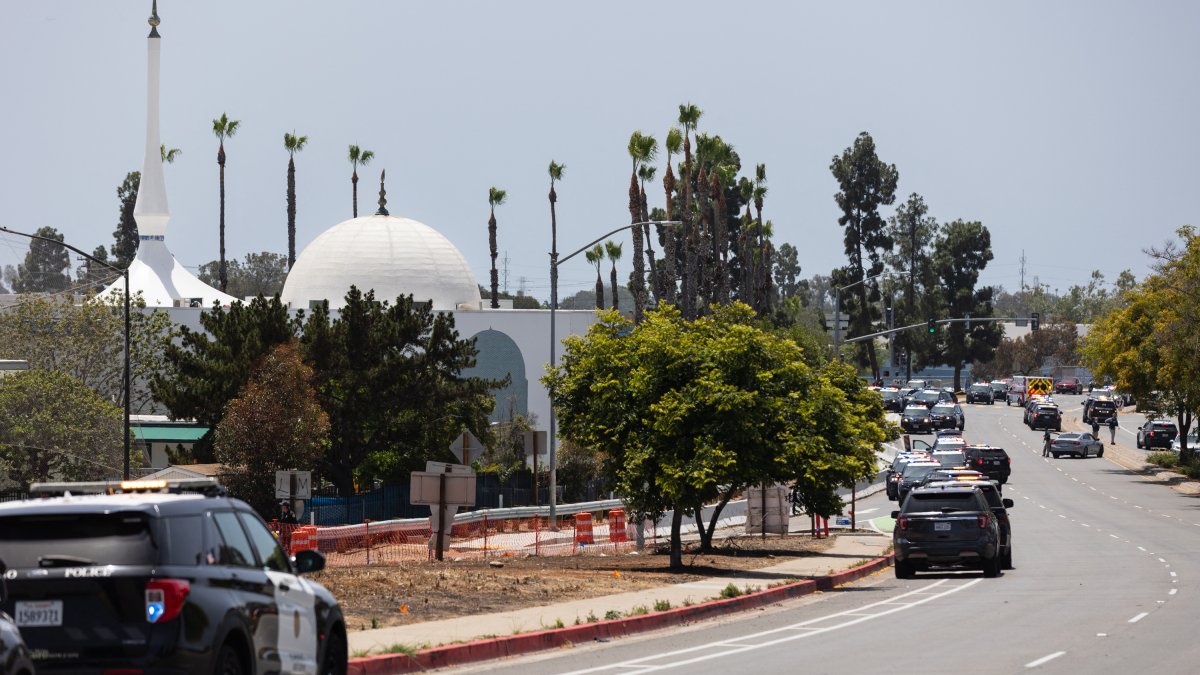
The Islamic Center of San Diego, where the attack occurred, has since hosted memorial services and fundraising efforts to support the victims’ families. San Diego Police Chief Scott Wahl praised the victims’ actions, stating, “Without question, there would have been many more fatalities.” The community’s resilience has also drawn national attention, with interfaith groups like the Abrahamic Alliance organizing rallies to show solidarity. Dr. Saquib Hasan, president of the Evergreen Islamic Center in San Jose, emphasized the importance of unity: “The biggest thing is to come together at these tough times, it doesn’t matter what religion you are.”
“I mean, afterwards, having people come up and just say how thankful they are, I just had a hard time not tearing up,” said Iris Bendahan, a Jewish community leader who participated in the interfaith demonstration. The event highlighted the growing efforts to combat hate through cross-religious collaboration, though questions remain about how to prevent similar attacks in the future.
Legal and Policy Implications
The case has reignited discussions about the limitations of existing legal tools to address potential threats. While Marco Vazquez’s voluntary removal of weapons prevented immediate access, the incident raises concerns about whether emergency orders could have been more effectively enforced. “The biggest challenge is identifying individuals at risk before they act,” said a law enforcement official, who requested anonymity. “We need better coordination between mental health services, schools, and law enforcement to flag at-risk youth.”
Caleb Vazquez’s father has since taken additional steps to monitor his son, including daily supervision and online activity tracking. “My wife and I have been supervising him daily since the incident,” Marco wrote, though the extent of these measures remains unclear. The case also underscores the complexities of gun ownership laws, particularly in states like California, where strict regulations coexist with high rates of firearm-related crimes.
As the investigation continues, the San Diego community faces a reckoning over how to balance personal freedoms with public safety. For now, the victims’ legacy serves as a reminder of the human cost of violence—and the enduring power of unity in the face of tragedy.
“We lost three pillars of our community,” said Imam Taha Hassane. “We call them our martyrs and our heroes.”
