President Donald Trump announced Thursday that a memorandum of understanding had been reached to end the war with Iran, including a 60-day ceasefire extension. However, Iranian Foreign Ministry spokesman Esmaeil Baqaei stated Friday that while the text is “largely finalized,” Tehran has not reached a “final conclusion” on the agreement.
Discrepancies in the Status of the Peace Agreement
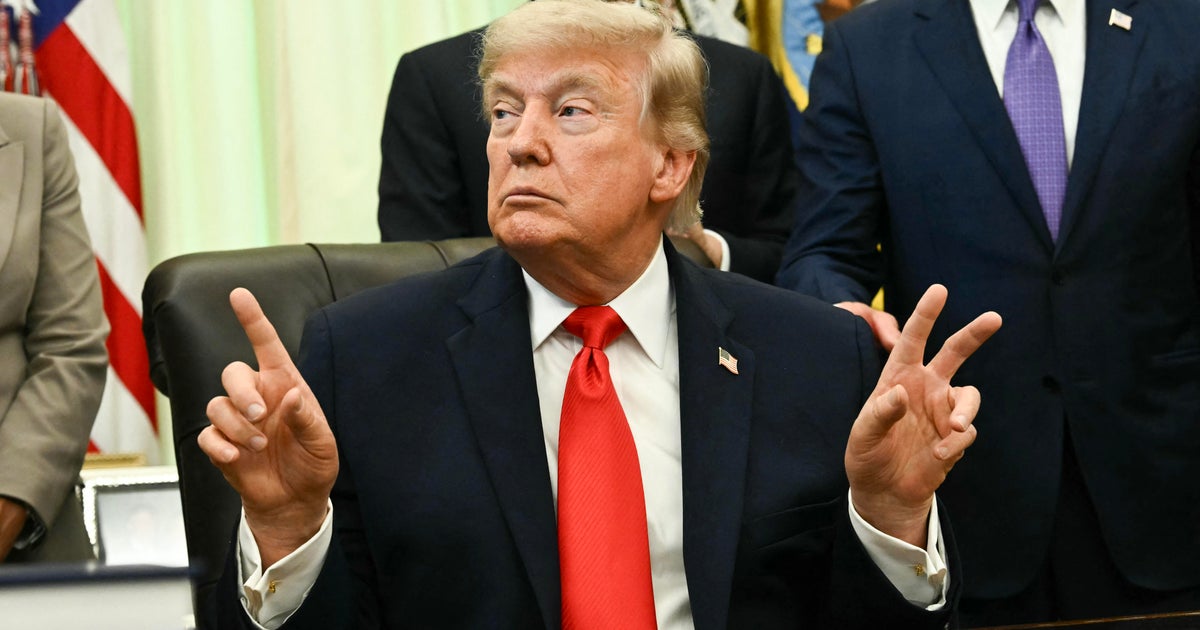
The path to a potential peace deal remains clouded by conflicting accounts from Washington and Tehran. President Trump, speaking from the Oval Office, asserted that discussions had reached the highest levels of Iranian leadership and received approval from Supreme Leader Mojtaba Khamenei. According to El País English, Trump claimed the pact could be signed as early as this weekend, potentially in Europe, with Vice President J.D. Vance representing the United States.
Tehran’s characterization of these negotiations differs significantly. In a statement reported by CBS News, Iranian Foreign Ministry spokesman Esmail Baqaei described the process as unstable, citing what he called the “contradictory positions of the United States.” While Iranian officials acknowledge that the majority of the document is finalized, they maintain that claims of an immediate, settled agreement are premature. This diplomatic friction is common in high-stakes international negotiations, where the internal political audience in both nations often necessitates a measured, skeptical public stance even as technical teams work toward consensus.
Terms of the Proposed Memorandum
Although the finality of the deal is disputed, reporting from CBS News outlines specific provisions allegedly included in the memorandum of understanding. These terms reportedly involve:
Photo: EL PAÍS English
A 60-day extension of the existing ceasefire.
The reopening of the Strait of Hormuz to pre-war shipping volumes within 30 days.
The lifting of the U.S. blockade on the shipping lane.
Waiving certain sanctions to allow Tehran to sell oil during the 60-day period.
Further negotiations aimed at addressing Iran’s nuclear program.
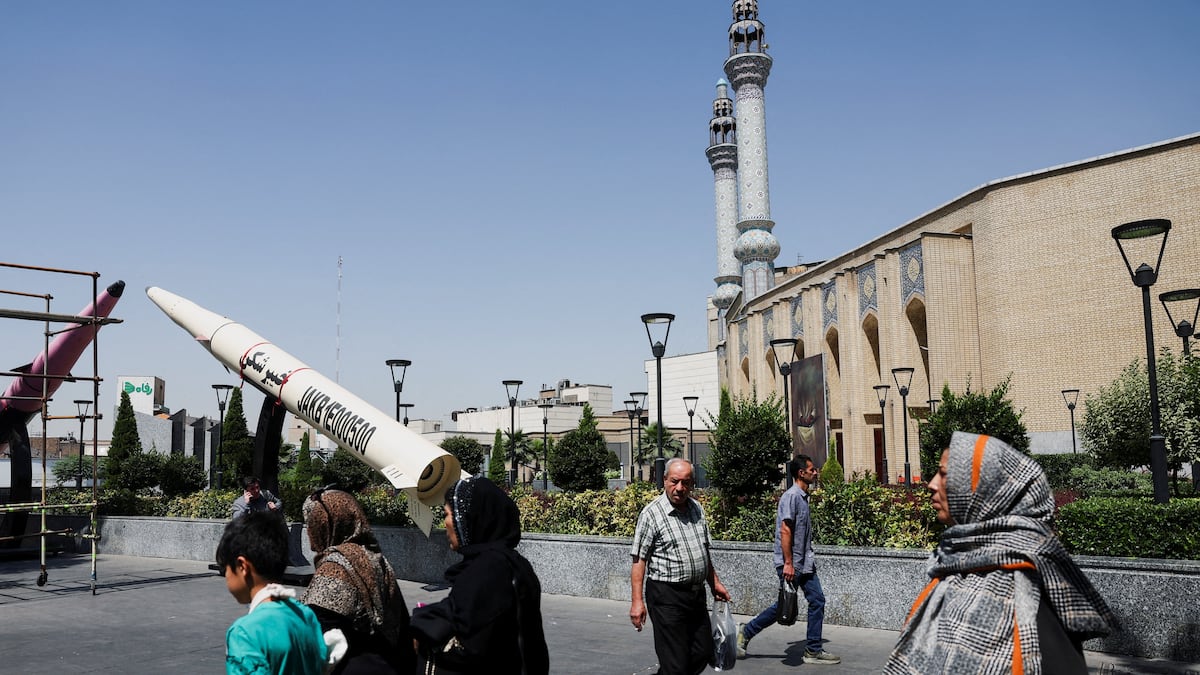
The Strait of Hormuz remains one of the world’s most vital maritime chokepoints, through which a significant portion of the world’s daily oil consumption passes. Historically, any disruption to this lane—whether through military blockade or threat of conflict—leads to immediate volatility in global energy markets. Markets responded sharply to the prospect of stability. Following the announcement, the price of a barrel of oil dropped below $90, marking its lowest level since the conflict began, as noted by El País English. This price sensitivity underscores the global economic stakes tied to the current conflict.
Israeli Prime Minister Benjamin Netanyahu confirmed he held a phone call with President Trump regarding the potential deal. While Israel is not a formal party to the memorandum, the Prime Minister’s office expressed support for key objectives within the framework.
“Even though Israel is not a party to the memorandum of understanding, the Prime Minister expressed his appreciation for President Trump’s commitment that the final agreement at the conclusion of negotiations will include the removal of enriched material, the dismantling of enrichment infrastructure, limits on missile production, and the cessation of Iran’s support for its terrorist proxies in the region.”
Trump claims US, Iran reached 'great settlement' to end war
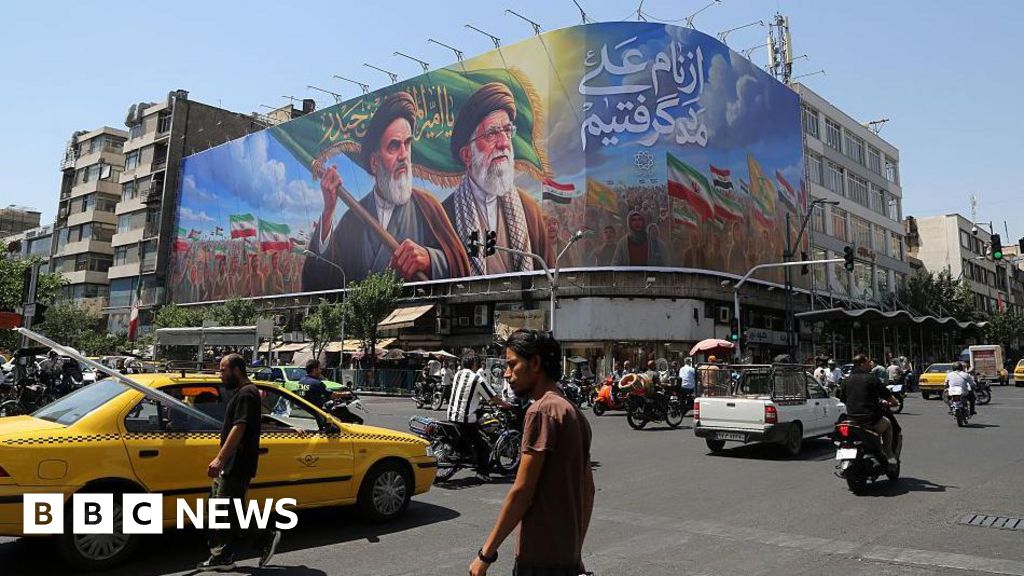
Netanyahu’s office, via BBC
Despite the diplomatic maneuvering, military operations continue in the region. The Israeli Defense Forces reported that they killed 80 Hezbollah fighters and struck roughly 310 targets in southern Lebanon over the past week. According to CBS News, the Israeli military stated these strikes were intended “alongside the activity of the ground troops along the forward defense line to dismantle terrorist infrastructure and remove threats to Israeli civilians and to the troops operating in the area.”
The persistence of these operations highlights the “deconfliction” challenge inherent in peace negotiations. Even when high-level political representatives are engaged in dialogue, front-line military units often continue pre-planned operations until a formal, verified ceasefire order is transmitted through the chain of command. Simultaneously, a U.S. official reported that Iran attempted to strike commercial ships in the Strait of Hormuz on Friday, resulting in U.S. forces shooting down two Iranian drones. These incidents demonstrate that operational hostility often continues even while negotiators discuss terms, complicating the transition from conflict to diplomacy.
The Road Ahead: Stability versus Rhetoric
The current situation highlights a recurring pattern in the conflict: the gap between high-level diplomatic announcements and the operational reality on the ground. President Trump attributed the recent progress to the pressure of consecutive airstrikes, yet Tehran’s insistence that “nothing has been finalized” suggests that the most contentious issues—specifically the lifting of sanctions and the status of Iran’s nuclear program—remain unresolved. In international diplomacy, a memorandum of understanding (MOU) is typically considered a non-binding agreement that outlines a framework for future cooperation, rather than a final peace treaty. The transition from an MOU to a legally binding, signed agreement often requires extensive follow-up negotiations to resolve the technical details that were glossed over in the initial framework.
As of Friday, the administration faces domestic pressure to resolve the conflict, with U.S. inflation reaching 4.2%, the highest level in three years. Economic analysts often monitor such conflicts for their impact on supply chains and consumer prices; when shipping lanes like the Strait of Hormuz are threatened, insurance premiums for commercial vessels rise, which ultimately increases the cost of goods for end consumers. Whether the memorandum transitions from a draft to a formal, signed agreement remains uncertain, as both sides continue to trade accusations of shifting positions while maintaining active military postures.
Claire Donovan coordinates breaking-news coverage across global time zones. She has reported on elections, social movements, and investigative stories in over ten countries. Known for her calm leadership under pressure, Claire guarantees Globally Pulse delivers news that is fast, factual, and fair.