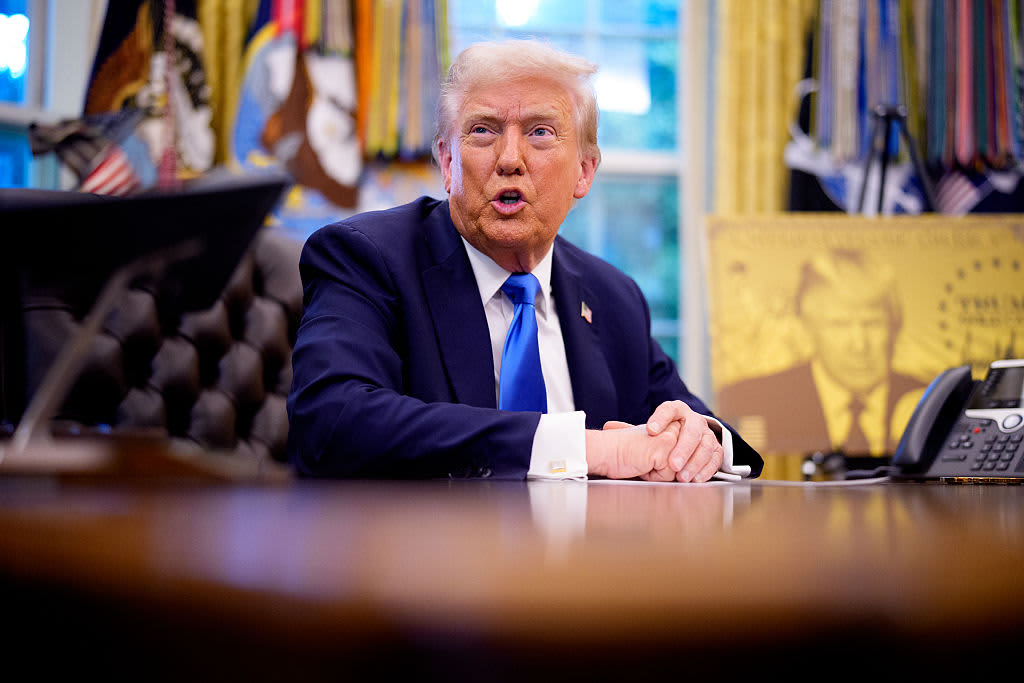
A federal judge on Monday struck down President Donald Trump’s $100,000 annual fee on H-1B visa applications, ruling it an unlawful tax that violated federal law and the Constitution. The decision hands a major victory to tech companies and immigrant workers while setting up a likely appeal from the Trump administration, which argues the program has been abused for decades.
Judge Rules $100,000 H-1B Visa Fee Violates Constitutional Taxing Clause
The ruling by U.S. District Judge Leo Sorokin in Boston vacated the fee, which had been imposed via presidential proclamation in September 2025. The judge found that the $100,000 charge—20 to 50 times higher than previous fees of $2,000 to $5,000—amounted to an impermissible tax, since only Congress holds that power under the Constitution. Sorokin cited a February 2026 Supreme Court precedent that struck down Trump’s tariffs on similar grounds.
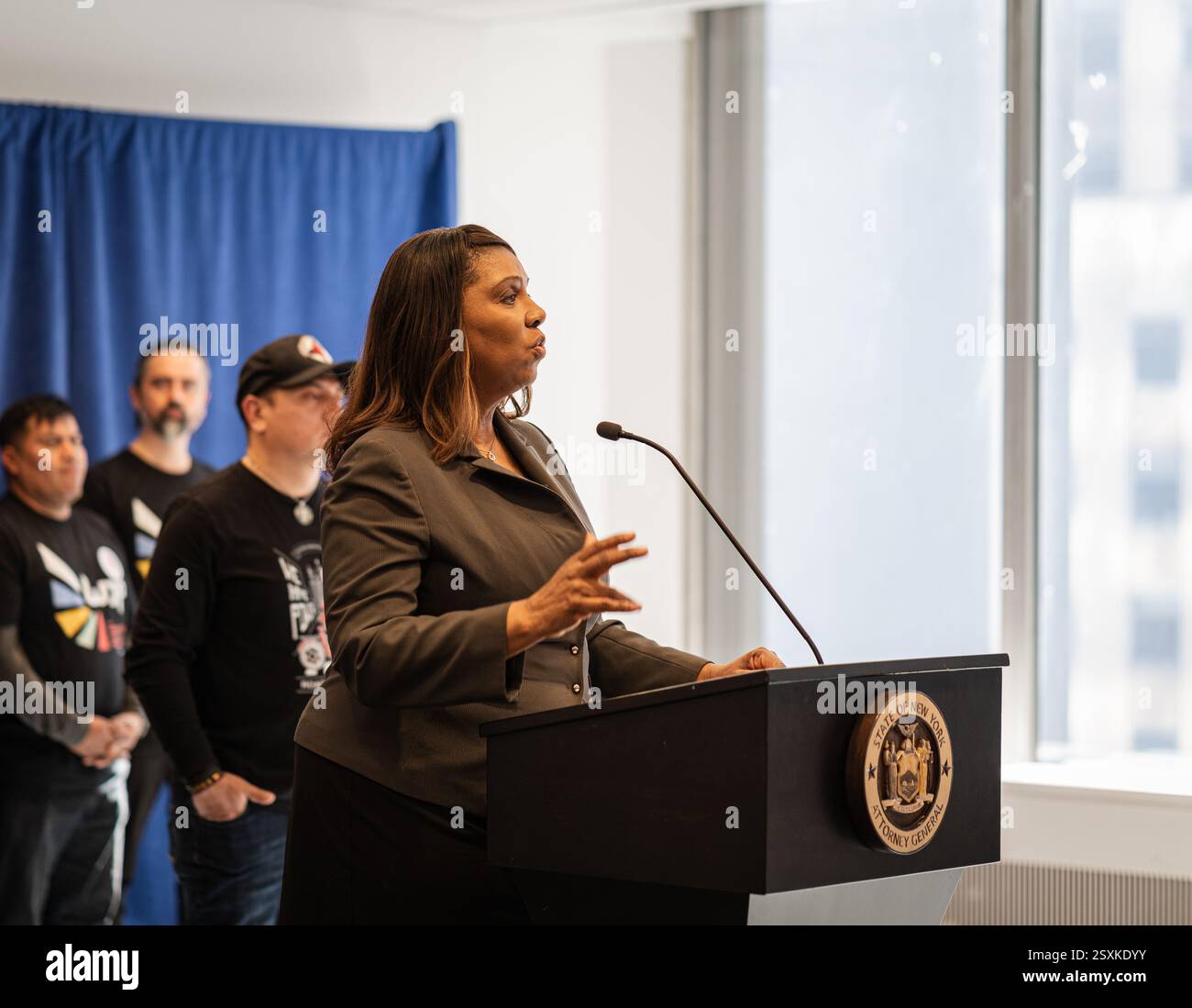
The lawsuit was filed by 20 Democratic state attorneys general, including New York’s Letitia James, who called the fee an “illegal attempt to destroy” the H-1B program. “Every day, thousands of people with H-1B visas serve New Yorkers as doctors, teachers, and other skilled workers,” James said. “Today a court put an end to this administration’s illegal attempt to destroy this critical program and the many jobs it makes possible.”
Legal Precedent and Constitutional Challenges Undermine Trump’s Justification for the Fee
The ruling hinges on two legal pillars: the Taxing Clause of the Constitution and the Administrative Procedure Act. Sorokin determined that the fee was not a legitimate regulatory measure but a de facto tax, since it generated revenue without congressional approval. The judge explicitly compared it to the Supreme Court’s February 2026 decision in Learning Resources v. Trump, which blocked tariffs imposed by the Department of Homeland Security on similar constitutional grounds.
:max_bytes(150000):strip_icc()/supreme-court-west-entrance-564091971-crop-595477603df78cdc29d6e89e.jpg "Legal Precedent and Constitutional Challenges Undermine Trump’s Justification for the Fee")
The Trump administration had framed the fee as a necessary reform to curb what it called the “large-scale replacement of American workers” by foreign labor. Commerce Secretary Howard Lutnick had previously claimed that major tech companies were “on board” with the policy, urging firms to “train Americans” instead of hiring abroad. But the ruling undermines that narrative, handing Silicon Valley a reprieve. Amazon alone had over 10,000 H-1B visas approved in the first half of 2025, with Microsoft and Meta each exceeding 5,000, according to The Guardian.
Impact on Tech Companies, Immigrant Workers, and State Economies
The H-1B program, created in 1990, allows U.S. employers to hire skilled foreign workers in specialty occupations for up to six years. It caps annual visas at 65,000, plus an additional 20,000 for those with advanced degrees from U.S. institutions. Roughly two-thirds of H-1B positions are in computer-related fields, making tech the program’s biggest beneficiary. Yet by February 2026, only 85 payments of the $100,000 fee had been made, suggesting employers were either avoiding the program or waiting for legal clarity, as CNBC reported.
The White House has already signaled it will appeal. In a statement, spokeswoman Taylor Rogers defended the policy, arguing that Trump has “clear legal authority to restrict entry of any class of aliens he determines is not in America’s best interests.” She added that the H-1B program “has been abused for decades” and that the administration is “confident this order will be reversed on appeal.”
For more on this story, see US Judge Strikes Down USCIS Policy Freezing Immigration Benefits for 39 Nations.
The appeal path is unclear but likely. A federal judge in Washington previously upheld a nearly identical order in 2025, suggesting the administration may have a stronger case on appeal. However, the Supreme Court’s February 2026 ruling against Trump’s tariffs could complicate matters. Legal experts note that the high court’s decision weakened the executive branch’s ability to impose financial burdens under the guise of regulation—a principle now directly applied to the H-1B fee.
Beyond the legal battle, the ruling could have immediate practical effects. Companies like Walmart had already announced plans to pause H-1B participation due to the fee, raising concerns about labor shortages in critical sectors. The U.S. Chamber of Commerce, which filed its own lawsuit against the policy in October 2025, may now push for broader reforms to streamline the visa process rather than face further disruptions.
Who benefits—and who loses from the ruling?
- Tech companies: Silicon Valley relies heavily on H-1B visas to fill gaps in the U.S. workforce. The fee’s repeal removes a major financial barrier to hiring skilled foreign workers, particularly in fields like software engineering and data science.
- Immigrant workers: The program is a lifeline for professionals from India, China, and other countries who fill roles U.S. citizens often avoid due to lower pay or competition. The fee had threatened to price out many applicants.
- State governments: New York, California, and other plaintiff states argued the fee would harm local economies by discouraging employers from sponsoring visas. The ruling preserves jobs in healthcare, education, and tech.
- The Trump administration: The policy was a centerpiece of Trump’s “America First” immigration agenda. A reversal on appeal is possible, but the legal setback weakens his ability to reshape the program through executive action.
- Some American workers: Trump’s argument—that H-1B visas displace U.S. workers—still has supporters, particularly in industries competing with lower-wage foreign labor. The ruling doesn’t address the underlying debate over visa abuse.
- Employers who complied: A handful of companies paid the $100,000 fee, only to see it invalidated. While they may seek refunds, the legal uncertainty could deter future participation.
Broader Implications for Trump’s Executive Authority and Future Policy Battles
The H-1B fee case is part of a broader legal battle over the limits of presidential authority. Since taking office in 2025, Trump has used executive actions to reshape immigration, trade, and labor policies—often clashing with courts that view such moves as overreach. The Supreme Court’s February 2026 tariff ruling was a major blow to his strategy, and the H-1B decision extends that precedent into immigration law.

Legal scholars warn that the ruling could embolden future challenges to Trump’s policies, from visa restrictions to trade measures. “This sets a dangerous precedent,” said one immigration attorney, noting that the administration may now face scrutiny on other fees or regulatory costs. Meanwhile, tech advocates see the decision as a win for evidence-based policy. “The H-1B program works when it’s not politicized,” said a Silicon Valley lobbyist. “Today’s ruling restores that balance.”
What’s next for the H-1B program?
- Appeal process: The Trump administration will likely appeal to the First Circuit Court of Appeals, with a potential Supreme Court review if the case reaches that far. The timeline is uncertain but could take months—or years.
- Employer reactions: Some companies may resume H-1B filings immediately, while others may wait for final legal clarity. The U.S. Citizenship and Immigration Services (USCIS) has not yet announced whether it will process pending applications under the old fee structure.
- Congressional action: With the election cycle heating up, lawmakers may push for permanent reforms to the H-1B program, whether to expand it (as tech lobbies prefer) or tighten it (as some labor groups demand).
- Legal fallout: The ruling could inspire lawsuits against other Trump-era fees, from student visas to green card processing costs. The administration may seek alternative ways to restrict visas without triggering tax clauses.
For now, the H-1B program survives—but its future remains tied to politics and the courts. The ruling is a temporary victory for immigrant workers and tech, but the debate over whether the program needs reform (and how) is far from over.
