
The International Atomic Energy Agency (IAEA) will inspect Iran’s nuclear enrichment sites under a U.S.-Iran interim deal, but the timing is “not essential,” IAEA chief Rafael Mariano Grossi said Thursday, June 25, 2026. The announcement comes as the two nations negotiate a broader agreement to end the war that began in 2025, with Iran’s deputy foreign minister insisting inspections can only occur after a final deal is reached. Meanwhile, Israel’s airstrike in southern Lebanon on Wednesday threatens to destabilize the fragile ceasefire.
IAEA Confirms Inspections Will Happen—But When?
The IAEA’s stance marks a shift from Tehran’s previous resistance. Since Israel launched its 12-day war on Iran in 2025, the agency has been blocked from visiting enrichment sites where Iran is believed to hold enough highly enriched uranium to potentially build up to 10 nuclear weapons, according to AP News. Grossi, speaking at the tsunami-hit Fukushima Daiichi nuclear plant, framed the inspections as a non-negotiable part of the memorandum of understanding signed by both presidents.

“The fundamental thing I would like to remind you is that there has been a memorandum of understanding, signed by both presidents,” Grossi said. “It says explicitly that the nuclear activities that are going to be carried out with regards to the nuclear material facilities will be supervised by the IAEA—in all letters.”
Yet Iran’s deputy foreign minister, Kazem Gharibabadi, immediately pushed back, telling AP reporters that Tehran had not met with Grossi during his visit to Switzerland. The contradiction underscores the fragile trust between the two sides during the 60-day negotiation window.
Grossi’s emphasis on inspections being “important, but not essential” reflects the IAEA’s pragmatic approach. The agency’s ability to verify Iran’s compliance with the deal hinges on access, but the timeline remains fluid. “Whether this happens the day after tomorrow or in one week or in 10 days, it’s important, but not essential,” Grossi said. The comment suggests the IAEA prioritizes the principle of oversight over immediate deadlines—a stance that could ease tensions if Iran perceives the inspections as a procedural formality rather than a political concession.
What the U.S. and Iran Actually Agreed To
The interim deal between the U.S. and Iran, signed last week, includes a 60-day period to resolve outstanding issues, including the supervision of Iran’s nuclear activities by the IAEA. The agreement also mandates an immediate and permanent end to military operations on all fronts, including Lebanon, where Israel and Hezbollah have been engaged in fighting since the war began. However, the deal has already faced pushback from Israel, which is not a party to the agreement and has argued that Iran should not have a say in Lebanon’s sovereignty.
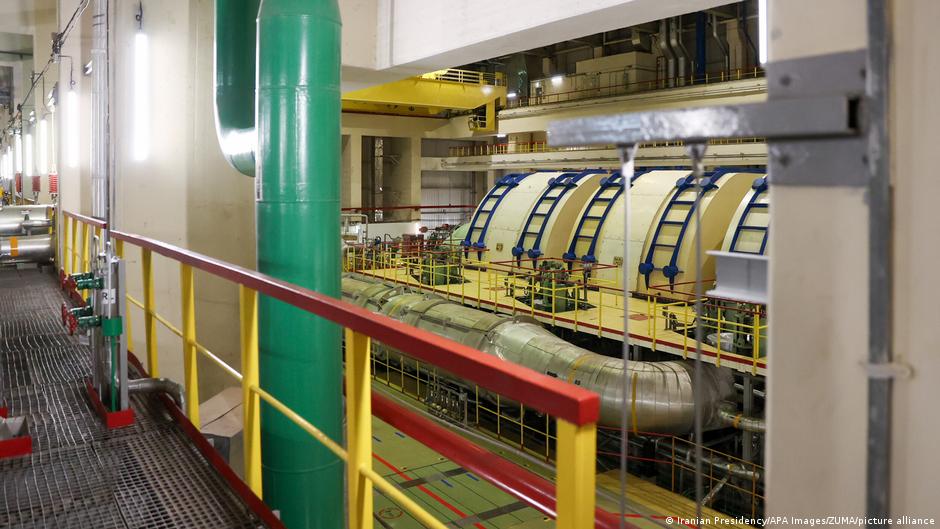
According to DW.com, the U.S.-Iran deal infuriated Israel, which has framed the agreement as a threat to its security. Hezbollah, backed by Iran, has consistently demanded Lebanon’s government withdraw from U.S.-backed talks with Israel. The Israeli military’s recent airstrike in southern Lebanon—its first since the ceasefire—highlights the volatility of the region. The strike killed two people, though Israel has not commented on the action.
The deal’s focus on nuclear inspections is critical. Iran’s uranium enrichment program has been a long-standing point of contention, with the country maintaining its activities are for peaceful purposes. However, the IAEA has repeatedly raised concerns about Iran’s compliance with its obligations under the Nuclear Non-Proliferation Treaty. The upcoming inspections could either restore confidence in the diplomatic process or expose further gaps in verification.
Why Lebanon’s Ceasefire Is the Wild Card
While nuclear negotiations dominate headlines, the ceasefire in Lebanon remains precarious. Israel and Lebanon are reportedly discussing a U.S.-sponsored plan to transfer control of parts of southern Lebanon from Israeli forces to the Lebanese army, according to DW.com and CBS News. The proposal includes pilot areas where Israel would withdraw, with Lebanese troops—vetted by the U.S.—taking over to ensure no Hezbollah presence remains.
Yet the Israeli military’s recent airstrike in southern Lebanon signals that tensions are far from resolved. The strike occurred despite the ceasefire, which has largely held since Sunday. Israel maintains it needs to control a security zone along the border to shield northern Israel from Hezbollah attacks. Meanwhile, Hezbollah’s demand for Lebanon’s withdrawal from U.S.-backed talks with Israel adds another layer of complexity. The group, established by Iran’s Revolutionary Guards in 1982, has consistently opposed any negotiations that do not include its removal from Lebanese territory.
The U.S.-Iran deal explicitly calls for respecting Lebanon’s “territorial integrity and sovereignty,” a phrase that could be interpreted as a diplomatic win for Iran-backed groups like Hezbollah. However, Israel’s refusal to recognize Iran’s role in Lebanon’s affairs creates a direct conflict with the deal’s provisions. This tension could derail the nuclear negotiations if Lebanon’s stability is not secured first.
What Happens Next: The Nuclear Timeline and Political Risks
The next 60 days will be critical. The IAEA’s inspections, once they occur, will determine whether Iran is complying with the deal’s requirements to downblend its highly enriched uranium. Grossi’s comment that inspections are “not essential” suggests the IAEA is prepared to work within Iran’s constraints, but the process will not be smooth. Iran’s deputy foreign minister’s refusal to engage with Grossi in Switzerland indicates deep skepticism about Western intentions.
Meanwhile, the U.S. and Iran must address broader issues, including how Tehran will spend billions of dollars once sanctions are lifted. The AP reports that the two countries have disagreed publicly about the details of the deal, raising the risk of derailing the ceasefire. Israel’s recent airstrike in Lebanon is a stark reminder that regional conflicts can escalate quickly, even when diplomatic progress is being made.
For the IAEA, the inspections represent a chance to regain credibility after years of restricted access to Iranian nuclear sites. If inspections proceed without major delays, it could signal a willingness from both sides to engage seriously. However, if Iran continues to obstruct access or if Israel’s actions in Lebanon escalate, the entire diplomatic process could unravel.
Key Takeaways: What Readers Need to Know
- Inspections will happen, but the IAEA says timing is flexible. Iran’s deputy foreign minister insists they can only occur after a final deal.
- The U.S.-Iran deal includes a 60-day window to resolve outstanding issues, but public disagreements risk derailing progress.
- Israel’s recent airstrike in Lebanon threatens the ceasefire, complicating the broader diplomatic effort.
- The IAEA’s role in verifying Iran’s nuclear activities is central to the deal’s success.
- Hezbollah’s demand for Lebanon’s withdrawal from U.S.-backed talks with Israel adds another layer of political risk.
The coming weeks will test whether diplomacy can overcome decades of mistrust. The IAEA’s inspections, while not urgent, are a critical step toward rebuilding confidence. But with Israel’s actions in Lebanon and Iran’s reluctance to engage fully, the road ahead remains uncertain.
The story is still developing. Updates will follow as new details emerge.
Find more reporting in our News section.
