
Sonny Rollins, the iconic tenor saxophonist and a titan of the bebop era, died Monday at his home in Woodstock, New York. He was 95. His death was confirmed by spokesperson Terri Hinte, who cited physical struggles that had kept the jazz legend largely housebound in recent years.
A Life Defined by Constant Evolution
Born Walter Theodore Rollins in New York City in 1930, the musician rose from Harlem’s vibrant jazz scene to become one of the most influential figures in music history. Often referred to as the “Saxophone Colossus,” Rollins was a master of improvisation who helped guide jazz from its roots as a dance-oriented genre toward the complex, expressive territory of the post-war era. According to reporting by The Guardian, his career spanned more than 60 albums and included legendary collaborations with jazz giants such as Miles Davis, Thelonious Monk, and John Coltrane.
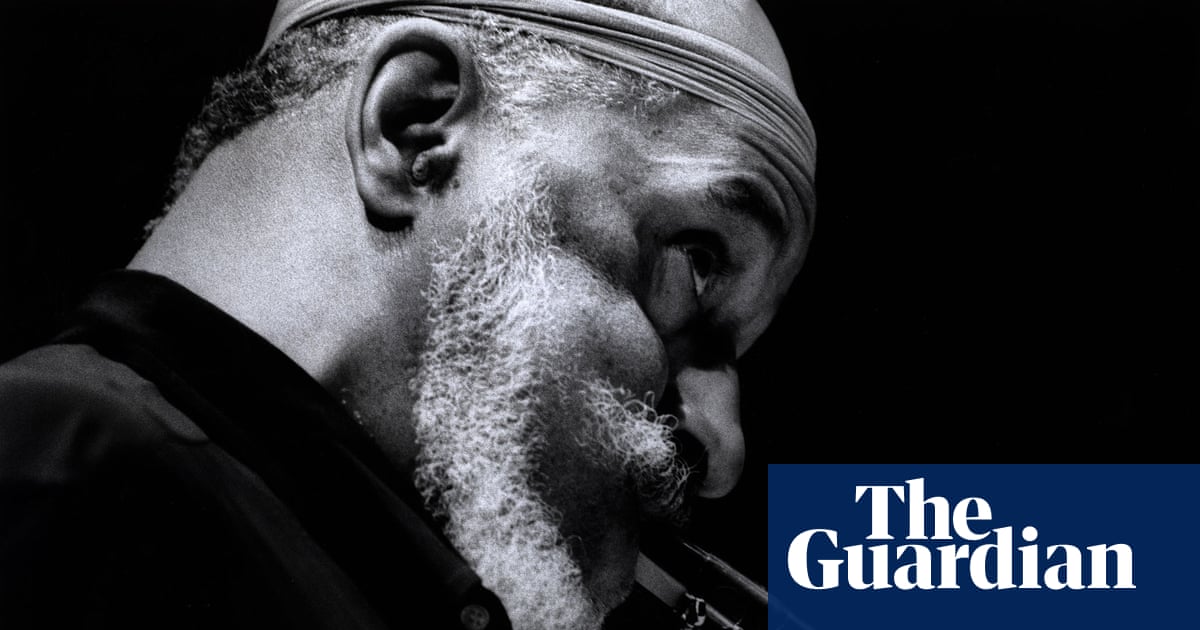
Rollins was famously restless, often stepping away from the spotlight to refine his craft. He famously described himself as a “work in progress,” a philosophy that kept him on the cutting edge of jazz for over half a century. While he achieved massive acclaim for his bebop contributions, he was known to be his own harshest critic, occasionally finding it painful to revisit his earlier recordings. As The Associated Press noted, he once remarked that he found it “excruciating” to even listen to the flaws in his older recordings.
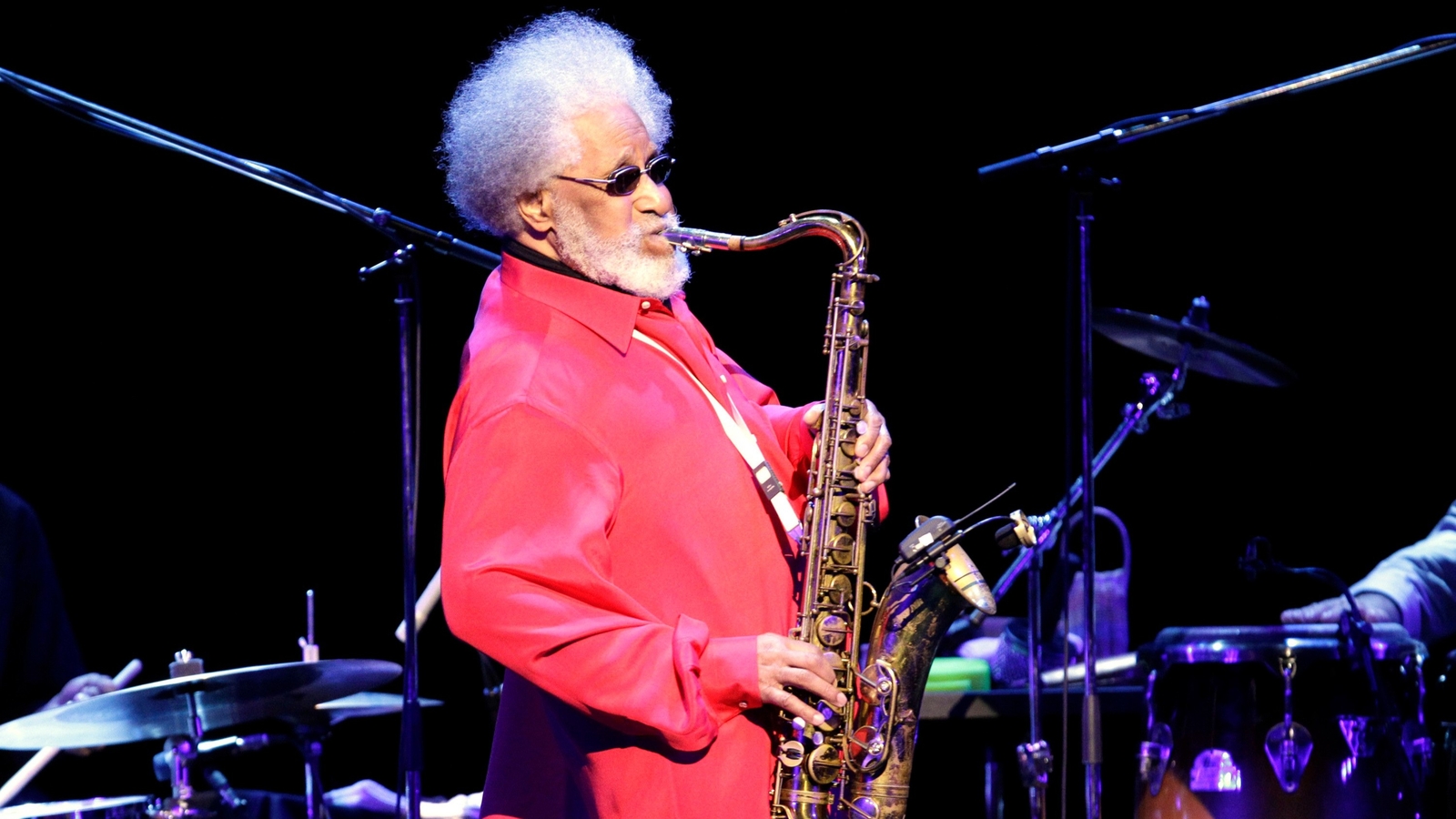
His development was marked by two famous sabbaticals, during which he retreated from the public eye to practice his instrument in solitude. The first, beginning in 1954, saw him move to Chicago to overcome drug addiction. He returned to the scene in 1956 with a renewed intensity, releasing a string of seminal albums that cemented his status as the premier tenor saxophonist of his generation. A second, longer hiatus occurred in the late 1960s, when he spent time in India and Japan, seeking spiritual grounding and further musical expansion. This pattern of withdrawal and re-emergence became a central narrative of his artistic life, reinforcing his reputation as a musician who prioritized long-term mastery over immediate commercial success.
Artistry Beyond the Jazz Club
While his jazz pedigree was unimpeachable, Rollins left an indelible mark on popular culture as well. Rock audiences likely recognize his soulful contribution to the Rolling Stones’ 1981 album Tattoo You. His performance on the ballad “Waiting on a Friend” became one of his most recognizable moments to a mainstream audience, a solo he reportedly devised after watching Mick Jagger dance. This willingness to bridge genres was a hallmark of his career, reflecting a spirit that refused to be confined by the expectations of the jazz establishment.
Despite his technical brilliance, Rollins frequently emphasized the spiritual dimension of his work.
“I played a couple of concerts early on where I was out in the open in the afternoon. I was able to look up in the sky, and I felt a communication; I felt that I was part of something. Not the crowd. Something bigger.”
Sonny Rollins, via The New York Times, 2020
Throughout his career, he remained deeply committed to the live performance experience. Critics often noted that his solos could last for twenty minutes or more, a testament to his stamina and his relentless search for new melodic possibilities within a single chord progression. His ability to deconstruct a standard song and rebuild it in real-time earned him the admiration of peers and critics alike, who frequently cited his “thematic improvisation”—a technique where he would develop a motif throughout an entire solo rather than simply playing a series of unrelated licks.
Retirement and Legacy
Rollins’ later years were marked by both continued achievement and physical decline. He secured a Grammy Award for his 2001 album This is What I Do and another in 2006 for his solo work on Why Was I Born?, a track captured during a poignant performance in Boston just four days after the September 11 attacks. He had performed that concert at the urging of his wife and manager, Lucille, who died in 2004. Her influence on his life and career was profound; she managed his affairs for decades and provided the stability that allowed him to focus entirely on his music.
Ultimately, pulmonary fibrosis forced the saxophonist to hang up his instrument. He played his final concert in 2012 and ceased playing entirely by 2014. Throughout his life, his influence extended far beyond the bandstand. When presenting him with the National Medal of the Arts in 2011, Barack Obama credited Rollins with inspiring him to “take risks that I might not otherwise have taken.”
The transition into retirement was difficult for a man who had dedicated his entire life to the horn. In his later years, he remained a presence in the jazz community through interviews and archival releases, even as his respiratory issues made the physical act of playing impossible. He continued to advocate for the importance of jazz as a living, breathing art form that required constant reinvention. His home in Woodstock served as a sanctuary during these final years, where he remained surrounded by the history of a career that spanned nearly the entire history of modern jazz.
Rollins is survived by his nephew, Clifton Anderson, and his nieces, Vallyn Anderson and Gabrielle DeGroat. As the music world mourns his passing, he leaves behind a legacy defined not by a single style, but by a lifelong commitment to discovery and the relentless pursuit of artistic growth.
