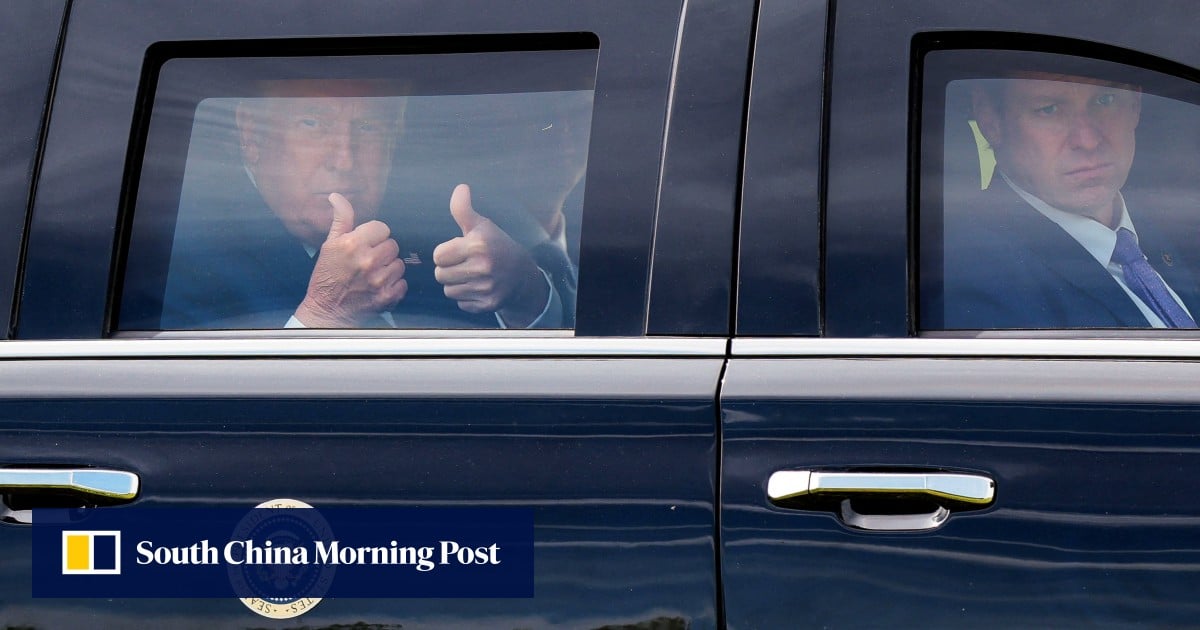
President Donald Trump is scheduled to visit the Walter Reed National Military Medical Centre this Tuesday for his fourth public medical examination of his second term. As the president nears his 80th birthday in June, the visit arrives amid intensifying public scrutiny regarding his health, cognitive fitness, and his recent campaign trail performance.
A Routine Visit Amid Heightened Scrutiny
The White House has characterized the upcoming appointment as involving “routine annual dental and medical assessments,” according to the South China Morning Post. While the administration maintains the standard nature of the trip, the frequency of recent medical interactions has invited persistent questions. This week’s visit marks the president’s third known meeting with a dentist this year alone, a pace that exceeds the typical biannual check-ups recommended for most adults.
White House Press Secretary Karoline Leavitt confirmed in a briefing last Friday that the president will undergo a comprehensive panel of tests, including standard blood work, an EKG, and a dermatological screening. According to a memorandum released by the White House Medical Unit, the president’s personal physician, Dr. Ronny Jackson—who has resumed an advisory role within the administration—will oversee the coordination of the visit alongside current Walter Reed staff physicians. The memo specifies that the president’s primary care team at the facility has been preparing for the arrival since mid-April, coordinating security protocols with the United States Secret Service to ensure minimal disruption to patient care at the Bethesda, Maryland campus.
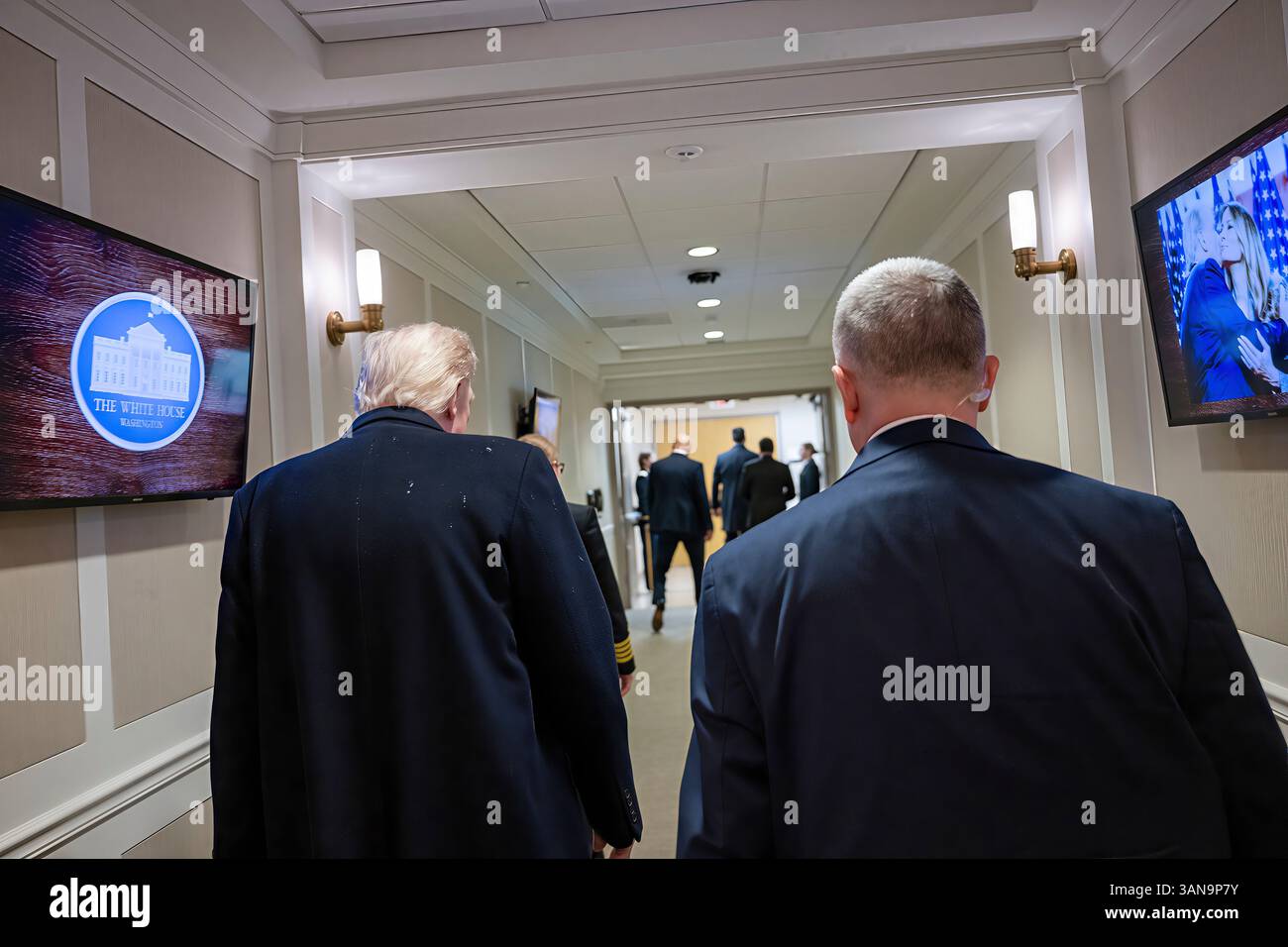
The scrutiny is compounded by the political calendar. With the president turning 80 next month, the visit places a spotlight on his physical stamina at a time when he is actively projecting an image of vigor. This event follows three separate doctor’s visits conducted last year, including a session at the Walter Reed Medical Center where the president received a CT scan to monitor potential cardiovascular concerns, as reported by The Independent. Records from the White House visitor logs indicate that the president’s medical team has increased the frequency of private consultations at the residence, a shift that has drawn inquiries from the House Oversight Committee regarding the transparency of executive health records.
The Debate Over Cognitive Fitness
Beyond physical markers, the upcoming physical has reignited broader national conversations regarding the president’s mental acuity. Public polling suggests that more than half of Americans perceive a noticeable decline in the president’s mental faculties over the past year. These findings persist despite the president’s own assertions regarding his performance on various “cognitive tests” he claims to have aced during his campaign.
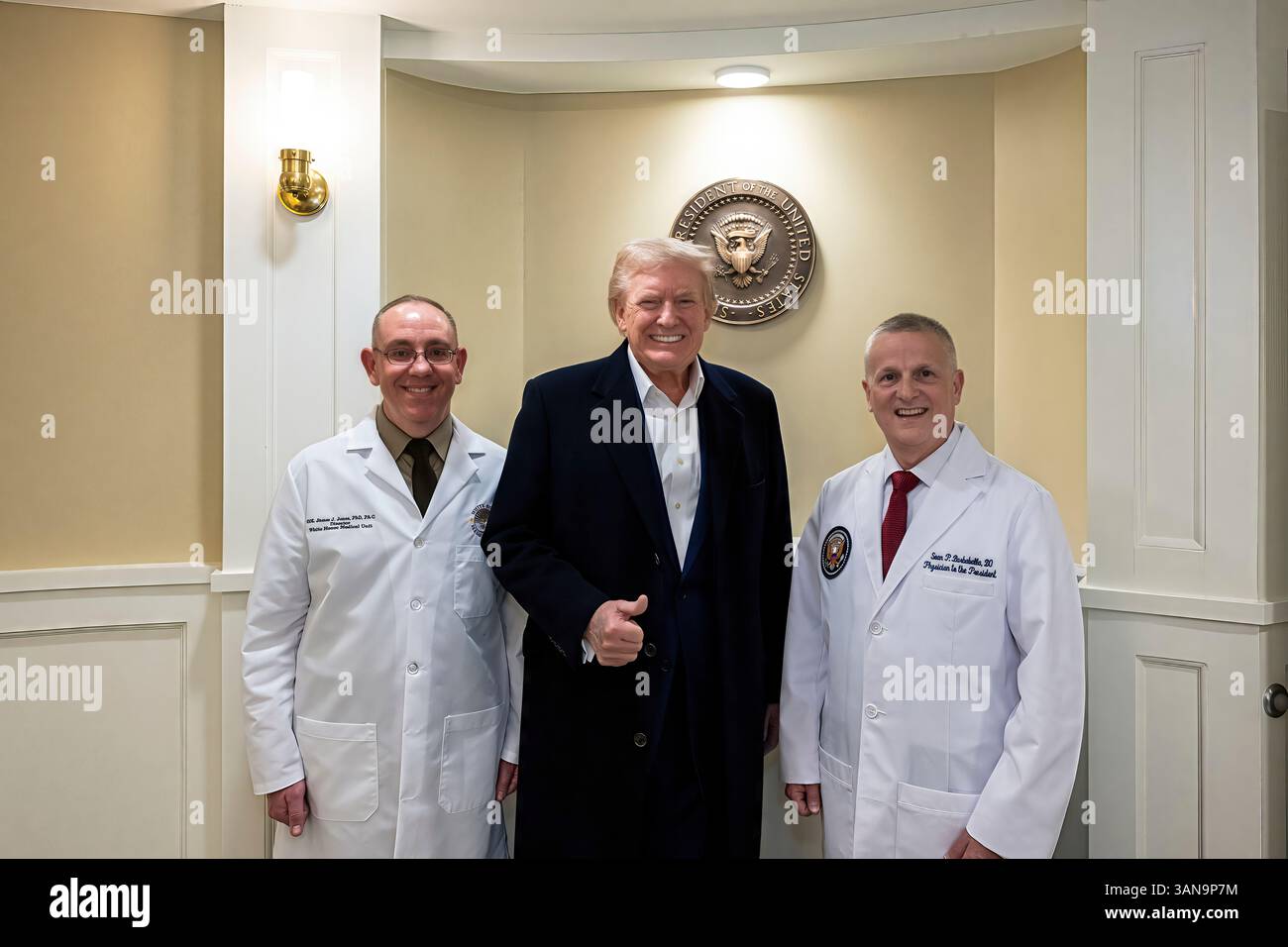
Dr. Sanjay Gupta, a neurosurgeon and long-time medical correspondent, noted in an interview with CNN that while standard physicals assess vital signs and organ function, they rarely include the type of comprehensive neuropsychological evaluations that would satisfy critics of the president’s cognitive status. The American Psychiatric Association, meanwhile, has issued no formal guidance on the president’s situation, adhering to the “Goldwater Rule,” which discourages medical professionals from offering public diagnoses of public figures without personal examination. Nevertheless, several prominent neurologists, including those at the Mayo Clinic, have published open letters expressing concern over the lack of standardized cognitive reporting for presidents over the age of 75.
The president’s public speaking style—which he refers to as “The Weave”—has become a focal point for critics and supporters alike. His rallies and Oval Office events are increasingly characterized by long, winding tangents that frequently drift into unrelated topics. While some observers see this as a sign of cognitive drift, the president’s team has leveraged his frequent press availability as evidence of his continued engagement, noting that his public schedule remains rigorous compared to his predecessor. During a recent rally in Pennsylvania, the president addressed these concerns directly, stating, “I am sharper now than I was twenty years ago,” a claim that his campaign communications director, Steven Cheung, frequently reinforces by pointing to the president’s ability to recall specific legislative details during unscheduled Cabinet meetings.
Political Stakes and Public Perception
The medical examination serves as a high-stakes moment for an administration currently struggling with approval ratings in the mid-30s. The president holds the distinction of being the oldest person to assume the office, a record he set upon his return in 2025 by a slim margin over Joe Biden. This demographic reality has made his physical well-being a recurring subject of debate, even within his own inner circle.
Senate Minority Leader Mitch McConnell, during a recent press conference, declined to comment on the president’s health but acknowledged that “the American people deserve a full picture of the health of their Commander-in-Chief.” Conversely, House Speaker Mike Johnson has defended the president’s stamina, citing the president’s recent three-nation diplomatic tour as evidence that he possesses the necessary endurance to manage international crises. According to sources close to the West Wing, the administration’s strategy is to compartmentalize medical discussions, keeping the specifics of the Walter Reed visit limited to a summary report to be released by the White House physician’s office shortly after the president departs the facility.
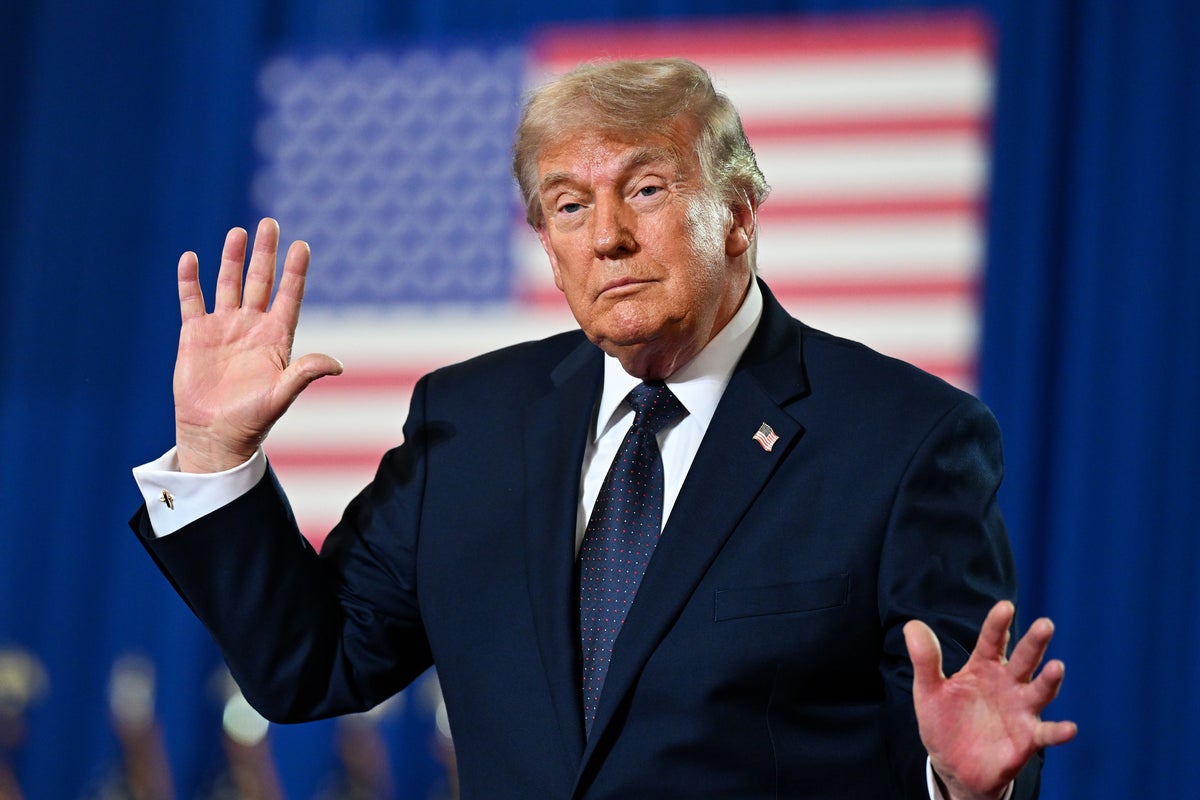
Even close political allies have contributed to the public conversation surrounding his lifestyle. Health Secretary Robert F. Kennedy Jr. has frequently made light of the president’s well-documented affinity for fast food and Diet Coke. These cultural touchstones, combined with the visual of the president’s recent public appearances, have created a complex narrative that his medical team must navigate. In a recent interview with Fox News, Kennedy suggested that a “holistic approach” to the president’s health was being implemented, though he did not specify whether this included changes to the president’s diet or exercise regimen, which remains largely unmonitored by the public.
What to Expect After the Exam
As the president heads to the medical center this week, the primary question remains whether the White House will release detailed findings or keep the results under wraps. Historically, the president has used his self-reported success on cognitive evaluations to deflect criticism regarding his capabilities, yet there is currently no clarity on whether such a test will be administered or disclosed during this specific visit.
White House Counsel’s office has reportedly reviewed the legal requirements for medical disclosure, noting that the president is not under any statutory obligation to release detailed medical records beyond what his physician deems appropriate for public consumption. Following the 2023 visit, the released report was limited to two pages, which focused primarily on blood pressure and cholesterol levels, omitting detailed neurological data. Legal analysts, including those from the Brennan Center for Justice, have noted that the precedent for executive medical transparency is based largely on tradition rather than law, leaving the scope of the upcoming disclosure entirely at the discretion of the president and his medical advisors.
In the coming weeks, political analysts will likely monitor the president’s public events for any shifts in his communication style or energy levels. With his 80th birthday approaching in June, the intersection of his medical history, public perception, and the demands of the presidency will continue to define the political discourse. For now, the administration remains committed to its strategy of frequent, unscripted press availability, betting that direct visibility will outweigh the concerns raised by his critics regarding his age and health. The upcoming Tuesday visit stands as the definitive checkpoint in this ongoing public debate, with the White House confirming that a formal statement will be issued once the president has been cleared by his medical team.
