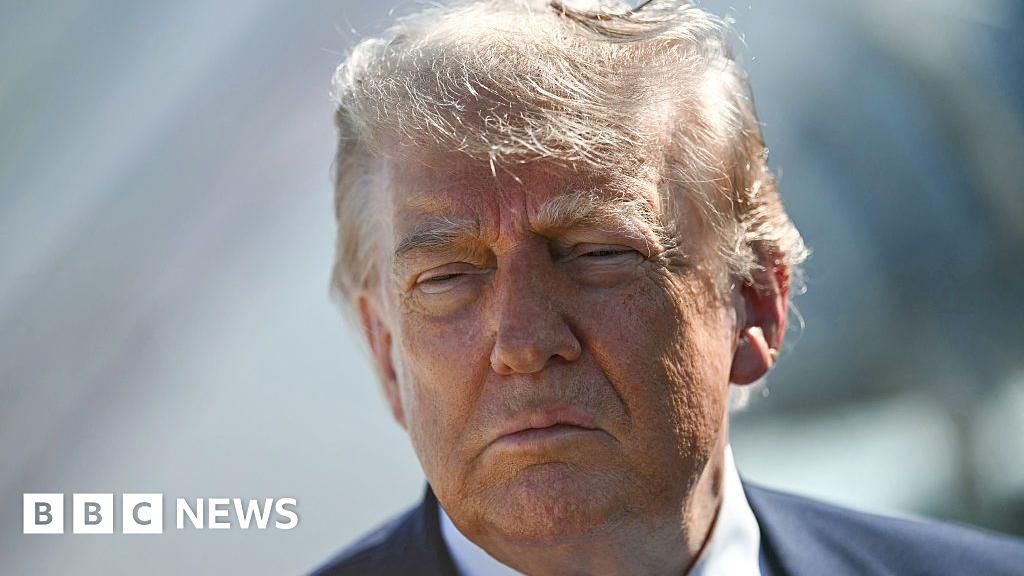
President Donald Trump has established a $1.776 billion “Anti-Weaponization Fund” following his decision to drop a $10 billion lawsuit against the Internal Revenue Service. The move, announced this week, aims to provide a systematic process for individuals to seek redress for claims of government overreach, though the initiative has sparked immediate criticism from House Democrats.
The Shift on the Anti-Weaponization Fund
The establishment of the fund marks a significant pivot in the administration’s legal and political strategy. Just days after asserting he was not involved in the creation of the program, President Trump defended the initiative on Friday, stating he had “allowed” it to proceed. In a post on Truth Social, the president suggested that his decision to drop his $10 billion lawsuit against the Internal Revenue Service—which stemmed from the unauthorized disclosure of his tax returns—was a calculated choice to assist others.
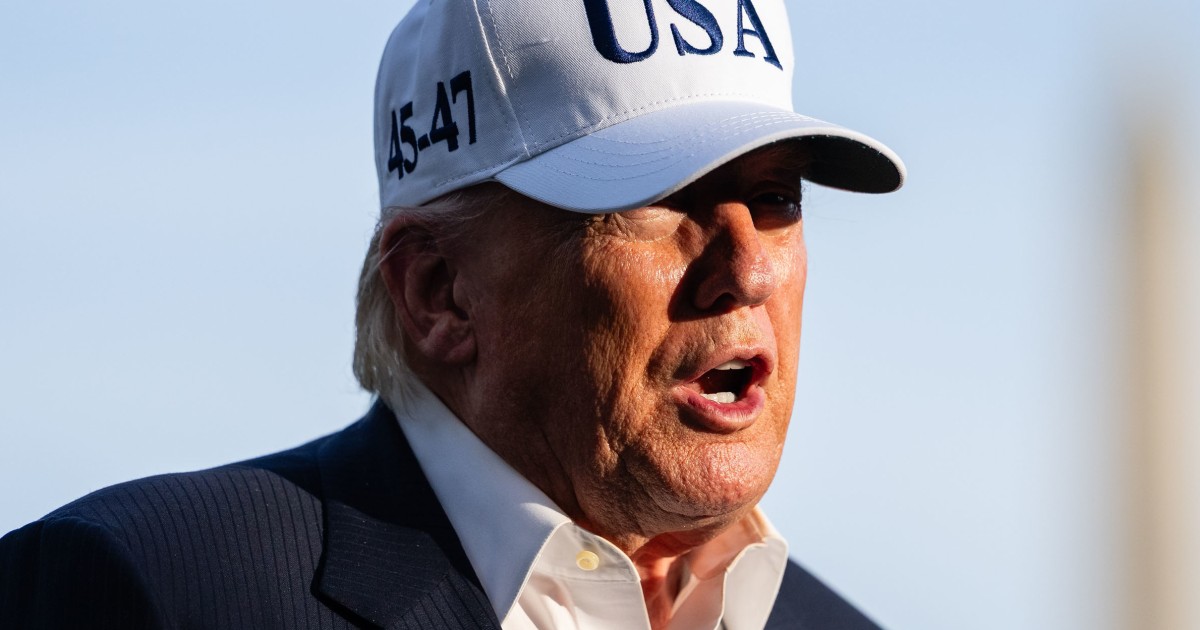
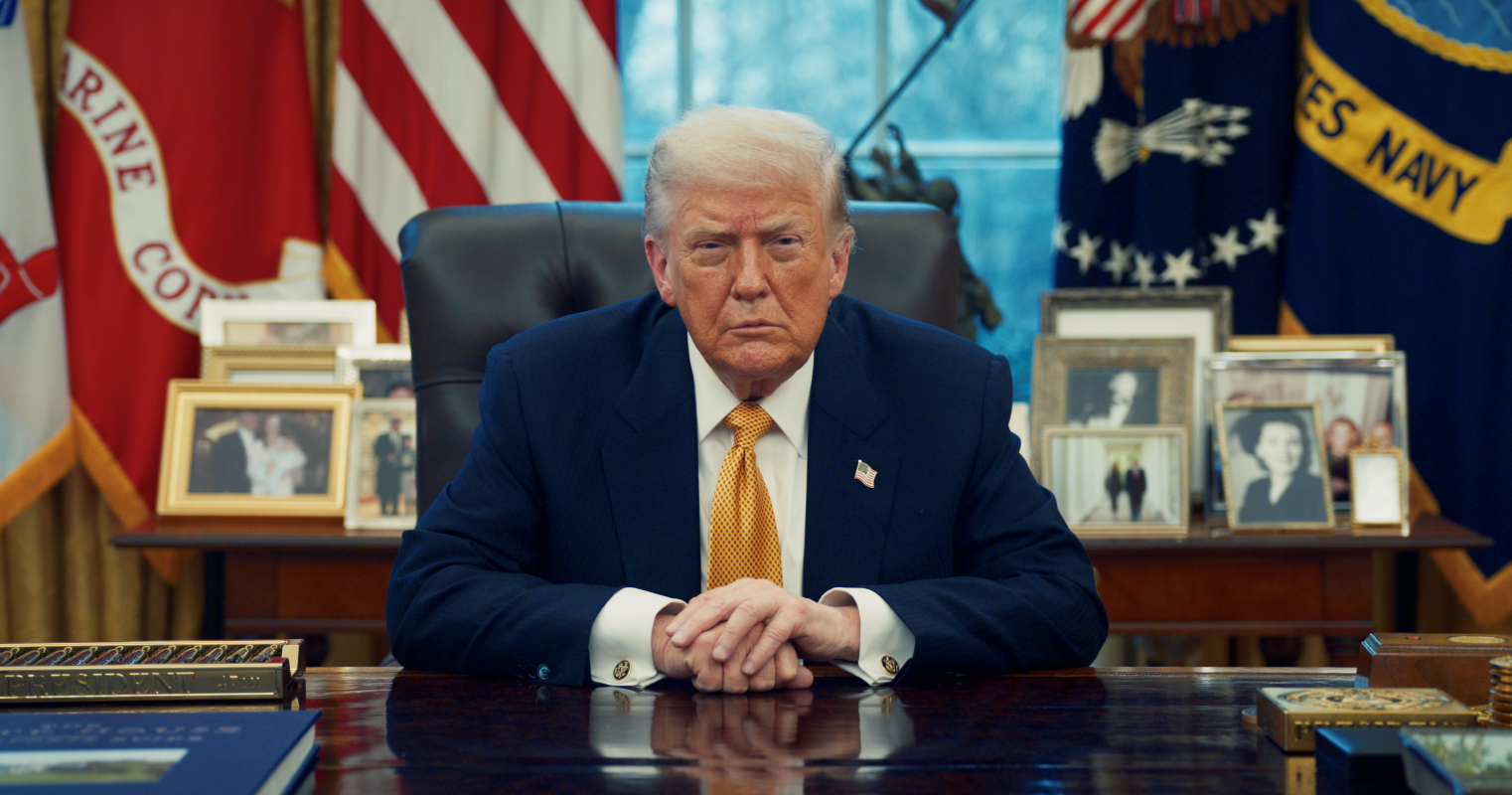
“I gave up a lot of money in allowing the just announced Anti-Weaponization Fund to go forward. I could have settled my case, including the illegal release of my Tax Returns and the equally illegal BREAK IN of Mar-a-Lago, for an absolute fortune. Instead, I am helping others, who were so badly abused by an evil, corrupt, and weaponized Biden Administration, receive, at long last, JUSTICE!”
President Donald Trump, via CBS News
Earlier in the week, the president had maintained a distance from the project, telling reporters he knew “very little about it” and emphasizing that he was not involved in the underlying negotiations. According to CBS News, a White House official clarified that there was no discrepancy in these statements, explaining that while the president did not personally draft the fund’s structure, he chose to drop his legal claims, which effectively cleared the path for the fund’s creation.
Operational Framework and Congressional Skepticism
The Justice Department has described the fund as a mechanism to provide a “systematic process to hear and redress claims of others who suffered weaponization and lawfare.” While the department has set a total valuation of $1,776,000,000 for the initiative, the specific criteria for payouts remain a point of intense focus for lawmakers.
During a closed-door session, Senate Republicans questioned Acting Attorney General Todd Blanche regarding the fund’s operational protocols. A primary concern among some GOP members is whether individuals convicted of crimes related to the January 6, 2021, attack on the U.S. Capitol—and subsequently pardoned—would be eligible for compensation. The Justice Department has indicated that a board appointed by the attorney general will oversee the process, with one member to be selected in consultation with congressional leadership. The president retains the authority to remove any member of this commission.
Political Pushback and Legislative Criticism
The announcement has drawn sharp condemnation from Democratic lawmakers, who view the fund as a misuse of taxpayer resources. Representative Joe Neguse, a Democrat from Colorado, characterized the initiative as one of the most “brazen examples of corruption” associated with the current administration. Critics have labeled the project a “$1.7 billion slush fund” that could be used to reward political allies, including those involved in the January 6 proceedings.
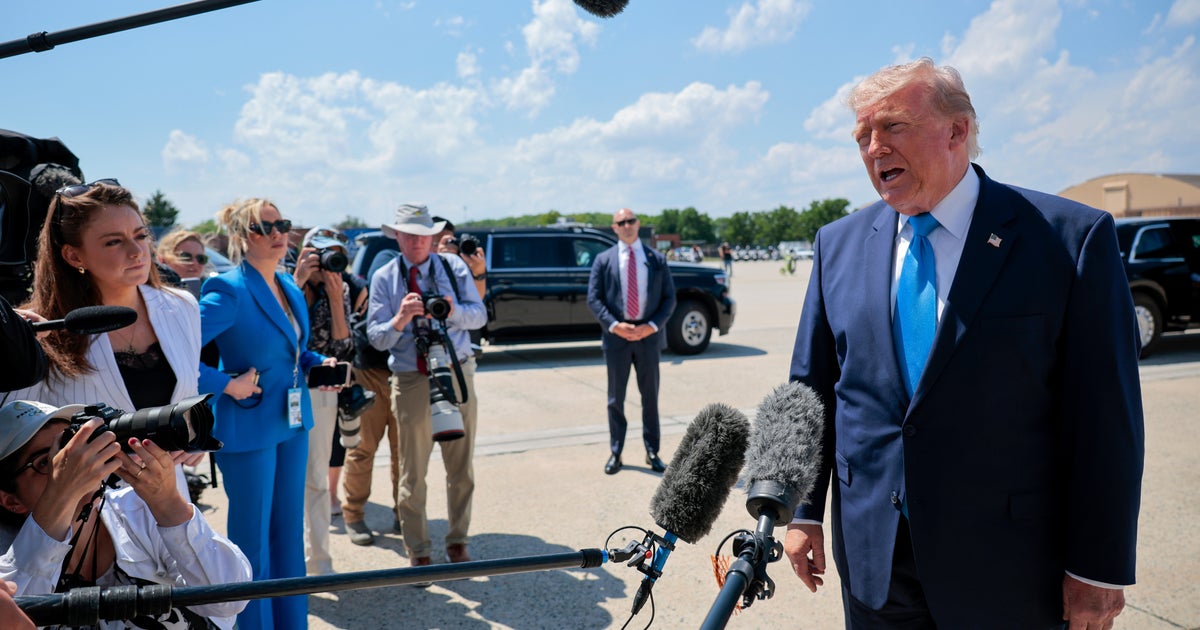
As the administration moves forward, the fund is expected to process claims until December 15, 2028. Meanwhile, the administration is simultaneously promoting its broader policy agenda, including “The Great Healthcare Plan,” which the White House claims will lower prescription drug prices and reduce insurance premiums by bypassing traditional insurance intermediaries. As The White House stated in its release, the plan aims to put money directly into the hands of the American people, though it remains a separate and distinct effort from the legal settlements and funds currently dominating the Justice Department’s headlines.
Ongoing Negotiations with Iran
Outside of domestic legal and healthcare initiatives, the administration continues to manage high-stakes international negotiations. President Trump recently indicated that an agreement with Iran and allied nations is “largely negotiated,” potentially signaling an end to an 84-day war. However, according to reports from the BBC, the deal remains in a preliminary stage, with critical issues—such as the timing of sanctions relief and the release of frozen assets—still requiring further deliberation before a final settlement can be reached.
