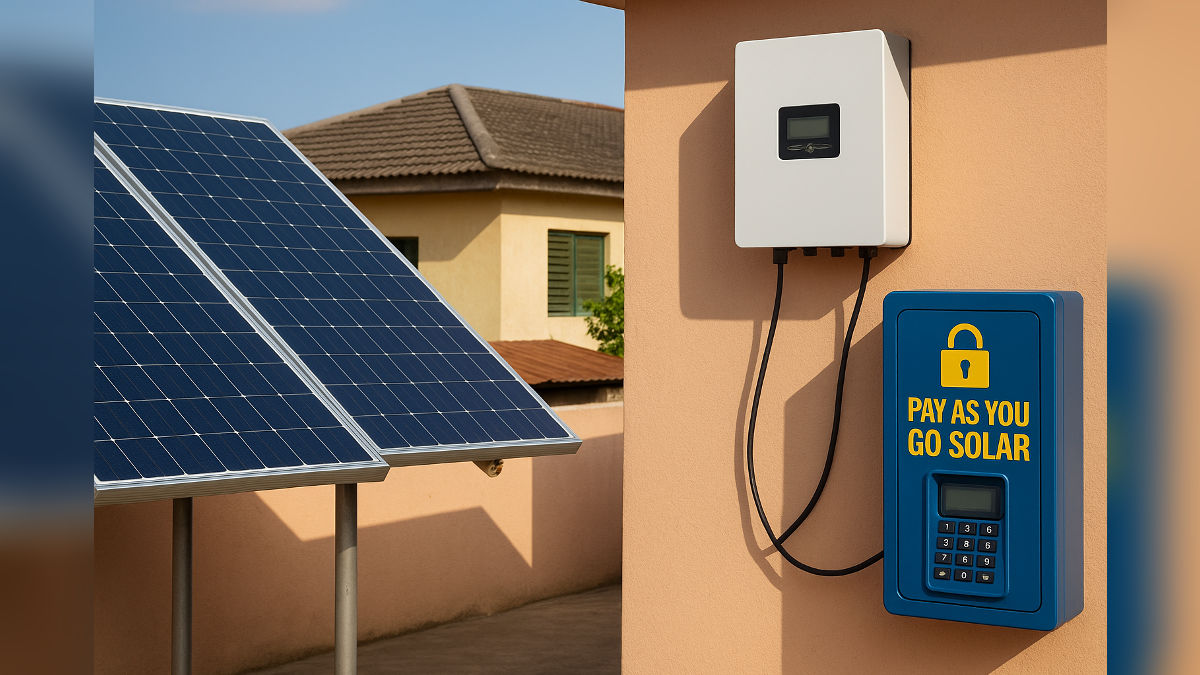
On June 23, 2026, SolarEase Inc. announced a subscription model for rooftop solar installations, aiming to simplify access similar to streaming services, according to a company statement. The initiative, described as a “pay-as-you-go” approach, allows customers to bypass the $15,000–$25,000 upfront cost of solar panels by paying a monthly fee of $50–$100, depending on system size. The program, launched in California and Arizona, includes maintenance, monitoring, and energy credits, with the company promising “zero out-of-pocket expenses” for participants.
Subscription Model Details
The program, launched in California and Arizona, allows customers to pay a monthly fee for solar panel maintenance and energy credits, eliminating upfront costs. SolarEase CEO Maria Torres stated, “This model removes financial barriers, making renewable energy accessible to 80% of households currently unable to afford installations.” The company cited a 2025 pilot program showing 12,000 households adopted the model, with 94% reporting satisfaction.
According to SolarEase’s 2025 pilot report, participants saw an average 30% reduction in electricity bills, with the subscription fee covering 80% of the cost of energy generated. The company’s website notes that the model includes 24/7 monitoring, free repairs for system malfunctions, and a 10-year performance guarantee. However, the exact terms of energy credits—such as whether they are applied as rebates or credits against future bills—remain unspecified in the public filings.
Industry Reactions
The initiative has drawn mixed responses. The American Clean Power Association praised the model as “a significant step toward democratizing solar energy,” while the National Association of Home Builders raised concerns about potential regulatory hurdles. “We need clarity on how this affects local permitting processes,” said spokesperson James Lin.
The American Clean Power Association (ACPA), a trade group representing renewable energy firms, released a statement on June 24, 2026, applauding SolarEase’s approach. “This model could accelerate the transition to clean energy, particularly for low-income households,” said ACPA CEO Lisa Jackson. Conversely, the National Association of Home Builders (NAHB) expressed reservations in a June 25 press release, citing “uncertainties around grid integration and liability for system failures.” The NAHB also highlighted concerns about potential conflicts with state-level net metering policies, which vary widely across the U.S.
Potential Impact on Energy Markets
Analysts note the model could accelerate solar adoption in the U.S., where rooftop installations grew 18% in 2025. BloombergNEF reported that subscription-based energy services could capture 12% of the residential solar market by 2030. However, critics warn of risks to utility companies, which may face reduced revenue from traditional energy sales.
According to a June 2026 report by the Edison Electric Institute (EEI), a trade group for investor-owned utilities, subscription models like SolarEase’s could disrupt traditional revenue streams. “Utilities rely on fixed charges and energy sales to maintain infrastructure,” said EEI spokesperson David Roberts. “If a significant portion of customers opt for subscription-based solar, it could strain grid reliability and increase costs for non-participants.” The report also noted that 14 states, including California and Arizona, have already begun revisiting net metering rules to address similar challenges.
Regulatory and Consumer Considerations
SolarEase’s model requires state approvals, with Arizona’s Public Service Commission initiating a review. Consumers are advised to consult local regulations before enrolling. The company plans to expand to Texas and Florida by 2027, pending regulatory clearance.
Arizona’s Public Service Commission (PSC) announced on June 28, 2026, that it would hold public hearings in July to evaluate the subscription model’s compliance with state energy laws. A PSC spokesperson stated, “We
Find more reporting in our News section.
