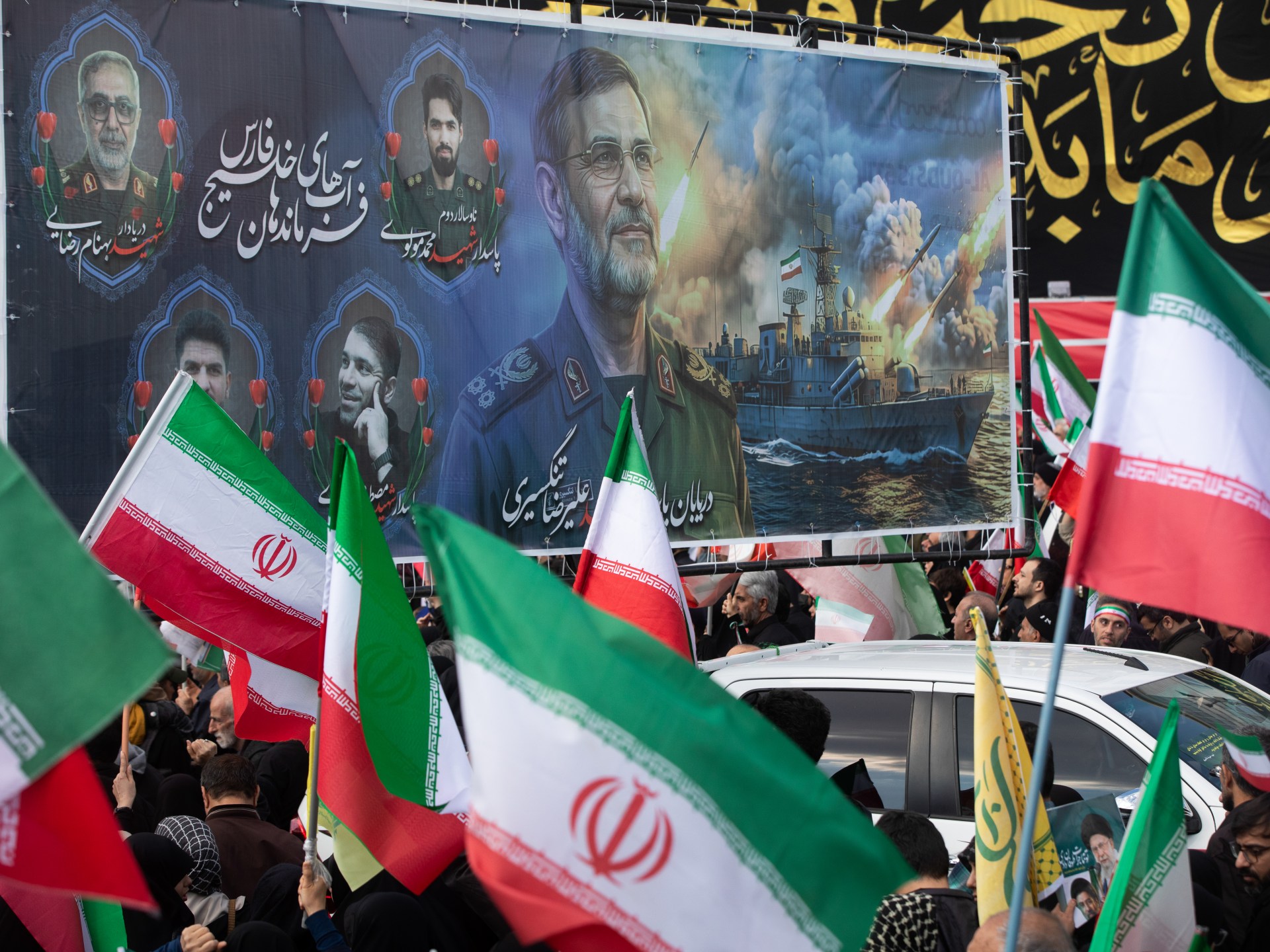
The U.S. military conducted self-defense strikes in southern Iran on Tuesday, targeting missile launch sites and vessels allegedly emplacing mines near the Strait of Hormuz. These operations occurred as Iranian delegates traveled to Qatar for negotiations, complicating a Pakistan-mediated ceasefire that has been in effect since April 8.
Military Strikes and Escalating Tensions at the Strait
The U.S. Central Command, or CENTCOM, confirmed it conducted self-defense strikes in southern Iran today, citing a need to protect American troops from ongoing threats. While the military did not immediately disclose specific locations, local reports from Iranian media identified explosions near Bandar Abbas, a key port city roughly 70km from the Strait of Hormuz.
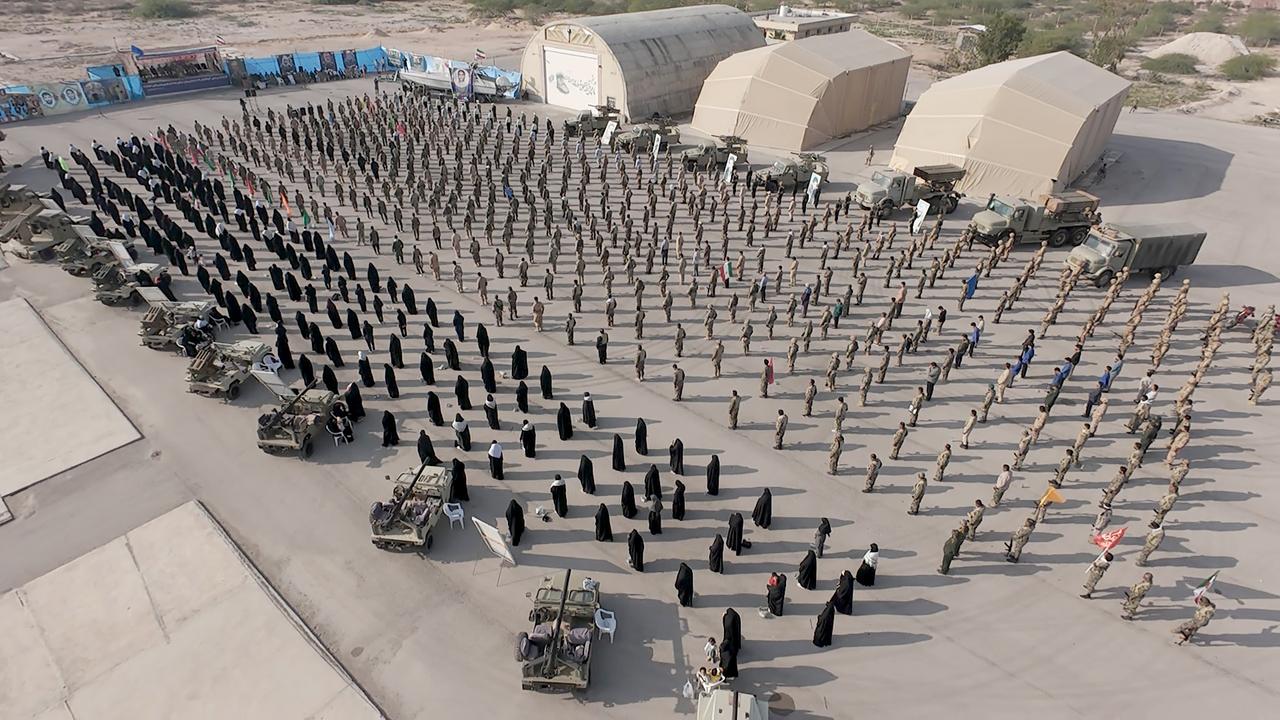
The operation targeted specific infrastructure identified by intelligence as hostile. According to Navy Captain Tim Hawkins, a CENTCOM spokesperson, the targets included missile launch sites and Iranian boats attempting to emplace mines. This activity fits into a broader, long-standing U.S. concern regarding the security of the Strait, a critical maritime chokepoint through which approximately one-fifth of the world’s oil and gas supply flows under normal conditions.
The strikes have drawn immediate reactions from the Islamic Revolutionary Guard Corps (IRGC). Iranian sources indicated that the IRGC had engaged U.S. drones and an F-35 jet fighter that reportedly entered Iranian airspace, with the IRGC vowing to retaliate against what it termed violations of the existing ceasefire. Furthermore, reports from Iranian news agencies noted the downing of a “hostile” stealth drone, though the origin of the craft remained unverified.
Market Volatility and the Energy Crisis
The military maneuver has sent ripples through global energy markets, which remain sensitive to any disruption in the Persian Gulf. By mid-morning Tuesday in London, July futures for Brent crude climbed 3.4% to $99.39 a barrel. Conversely, U.S. West Texas Intermediate futures for July saw a decline, trading at $92.85 per barrel, according to data tracked by CNBC.

For more on this story, see US strikes Iran missile sites, boats in Strait of Hormuz ‘self-defense’ action.
Analysts at UBS have highlighted the fragility of the current landscape, noting that the global oil market is showing mounting signs of strain. The bank reported that combined global oil inventories dropped by 246 million barrels across March and April. With cumulative production losses potentially exceeding 1 billion barrels by the end of May, the market remains, in the assessment of UBS, “strongly undersupplied.”
Diplomatic Maneuvering and Mixed Messaging
Despite the kinetic activity in the south, diplomatic channels remain open, if fragile. President Donald Trump described the status of negotiations as “proceeding nicely” in a social media update on Monday. However, he maintained a firm stance regarding the eventual outcome, warning that “It will only be a Great Deal for all or, no Deal at all,” and cautioned that the U.S. would resume military action if the talks collapse.
The diplomatic path is complicated by a wide array of demands and regional pressures. While Esmaeil Baghaei, the spokesman for Iran’s Ministry of Foreign Affairs, stated that a large portion of issues have been resolved, he emphasized that a final deal is “not imminent.” Meanwhile, an informed source cited by the semi-official Tasnim news agency suggested that any potential memorandum of understanding would be contingent upon the release of $24 billion in frozen Iranian funds.
This follows our earlier report, US-Iran Strait of Hormuz Talks Stall as Military Tensions Reach Critical Point.
U.S. Secretary of State Marco Rubio, currently visiting India, underscored the administration’s focus on maintaining free passage through the Strait of Hormuz. Speaking to reporters in Jaipur, Rubio stated that the chokepoint must be kept open “one way or the other.” He tempered expectations for a swift resolution, noting that finalizing a deal could “take a few days.”
The Path Forward for the Ceasefire
The stability of the April 8 ceasefire is now the central question for regional observers. CENTCOM maintains that it continues to defend our forces while using restraint during the ongoing ceasefire, framing the latest engagement as a necessary measure to protect our troops from threats posed by Iranian forces.

With the IRGC signaling intent to retaliate and the U.S. maintaining a posture of defensive readiness, the next 72 hours will be critical. The intersection of the delegation’s arrival in Qatar and the recent military strikes creates a volatile environment where any miscalculation could derail the fragile diplomatic progress. For now, both sides appear to be operating under a dual-track strategy: engaging in high-stakes negotiations while simultaneously asserting military dominance in the Persian Gulf.
