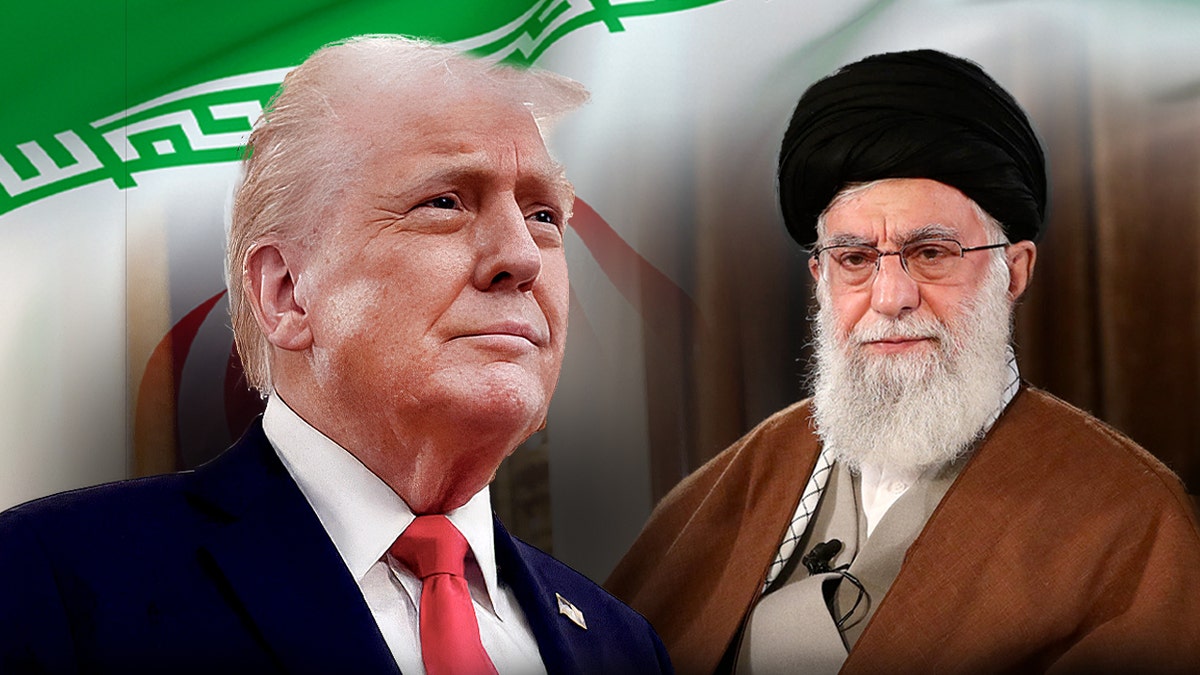
Trump Signals Potential for De-escalation in Iran Amidst Shifting Military Strategy
Washington – U.S. President Donald Trump has indicated a willingness to conclude the ongoing military campaign against Iran, even if it means leaving the Strait of Hormuz largely unsecure for the time being, according to recent reports and statements. This signals a potential shift in strategy, prioritizing the crippling of Iran’s military capabilities over the immediate reopening of the vital waterway, a development with significant implications for global energy markets and regional stability.

The evolving U.S. approach, first reported by the Wall Street Journal, suggests Trump is leaning towards a two-pronged strategy. Initially, diplomatic efforts to negotiate an end to the conflict with Tehran remain the preferred option. Simultaneously, the administration is prepared to delegate the responsibility of securing the Strait of Hormuz to its allies, particularly Gulf States and NATO members, if negotiations fail. This represents a marked departure from earlier rhetoric emphasizing a swift military resolution.
Shifting Military Objectives and Timeline
While a military option to forcibly reopen the Strait remains on the table, officials cited in the Wall Street Journal report indicate it is no longer Trump’s immediate priority. Initial estimates suggested a military campaign focused on the Strait would take between four to six weeks, but Trump’s focus has reportedly shifted towards degrading Iran’s military infrastructure. Recent statements from the President, including threats to “completely obliterate” Iranian energy infrastructure, as reported by Fox News, highlight this aggressive posture, even as diplomatic avenues are explored. Trump also stated that Iran is “no longer a threat,” suggesting a belief that significant damage has already been inflicted on Iran’s military capabilities.
This shift comes amidst growing concerns about the escalating conflict’s impact on global oil prices and supply chains. The Strait of Hormuz is a crucial chokepoint, responsible for approximately 20% of global oil exports. Prolonged disruption could trigger a significant energy crisis, impacting economies worldwide. The International Energy Agency (IEA) has been closely monitoring the situation, warning of potential supply shortages and price volatility.
Gulf State Concerns and Alternative Solutions
However, this potential for de-escalation is not universally welcomed. Reports from the Associated Press indicate that Gulf States are urging Trump to continue the military campaign until the perceived threat from Iran is definitively eliminated. These nations, particularly Saudi Arabia and the United Arab Emirates, view Iran as a destabilizing force in the region and fear a premature withdrawal could leave them vulnerable. They argue that Iran has not been sufficiently weakened to deter future aggression.
Prime Minister Benjamin Netanyahu of Israel has proposed a long-term solution that bypasses the Strait of Hormuz altogether: rerouting oil pipelines westward across Saudi Arabia to the Red Sea and Mediterranean Sea. This proposal, highlighted in an interview with Newsmax, aims to circumvent Iran’s geographic advantage and reduce the vulnerability of global energy supplies. While logistically complex and requiring significant investment, this solution could offer a sustainable alternative to relying on the Strait of Hormuz.
Diplomatic Signals and Iranian Response
Despite the bellicose rhetoric, there are indications of diplomatic maneuvering. Iranian President Masoud Pezeshkian has reportedly expressed willingness to end the war, albeit contingent on certain guarantees to prevent future aggression, as reported by Iranian state media. This aligns with earlier statements suggesting Iran is open to negotiations, but insists on assurances against further attacks. Trump himself has suggested a potential deal is possible, even if not essential, stating that the U.S. has “set them back 15-20 years” in terms of military capability and nuclear development.
However, these signals are clouded by conflicting statements. Trump accused Iran’s new president of requesting a ceasefire on his Truth Social platform, a claim swiftly dismissed by Tehran’s foreign ministry as “false and baseless.” This underscores the deep distrust between the two nations and the challenges facing any potential negotiations. The U.S. Secretary of State, Marco Rubio, indicated that talks are ongoing, but cautioned against allowing negotiations to be used as a delaying tactic.
Upcoming Address and Global Implications
President Trump is scheduled to address the nation on Wednesday, providing an “important update on Iran,” according to White House Press Secretary Karoline Leavitt. This address is anticipated to shed further light on the administration’s evolving strategy and its vision for the future of the conflict. The outcome of this conflict and the subsequent geopolitical realignment will have lasting effects on the Middle East and beyond. The situation underscores the delicate balance between military pressure, diplomatic engagement, and the pursuit of regional stability, a balance critical for preventing further escalation and ensuring global economic security.
