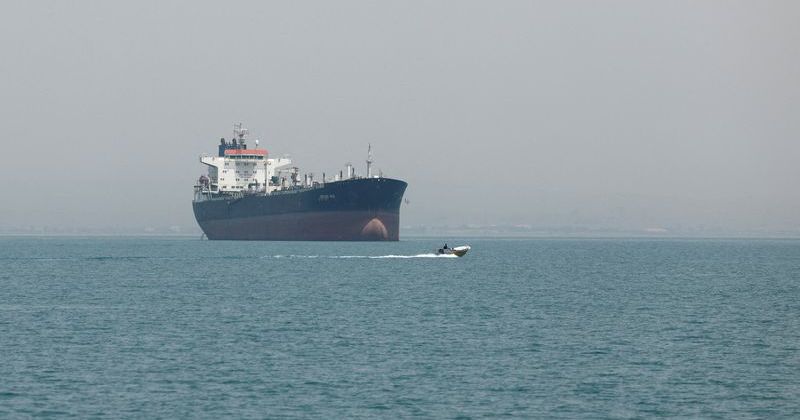
Crude oil prices fell to 91.73 USD per barrel on May 25, 2026, marking a 5.04% decline as the United States and Iran negotiate a potential 60-day memorandum to reopen the Strait of Hormuz. The proposed deal aims to resume Iranian oil exports and initiate nuclear talks, despite President Donald Trump’s commitment to maintain current blockades.
Diplomatic Negotiations and the Strait of Hormuz
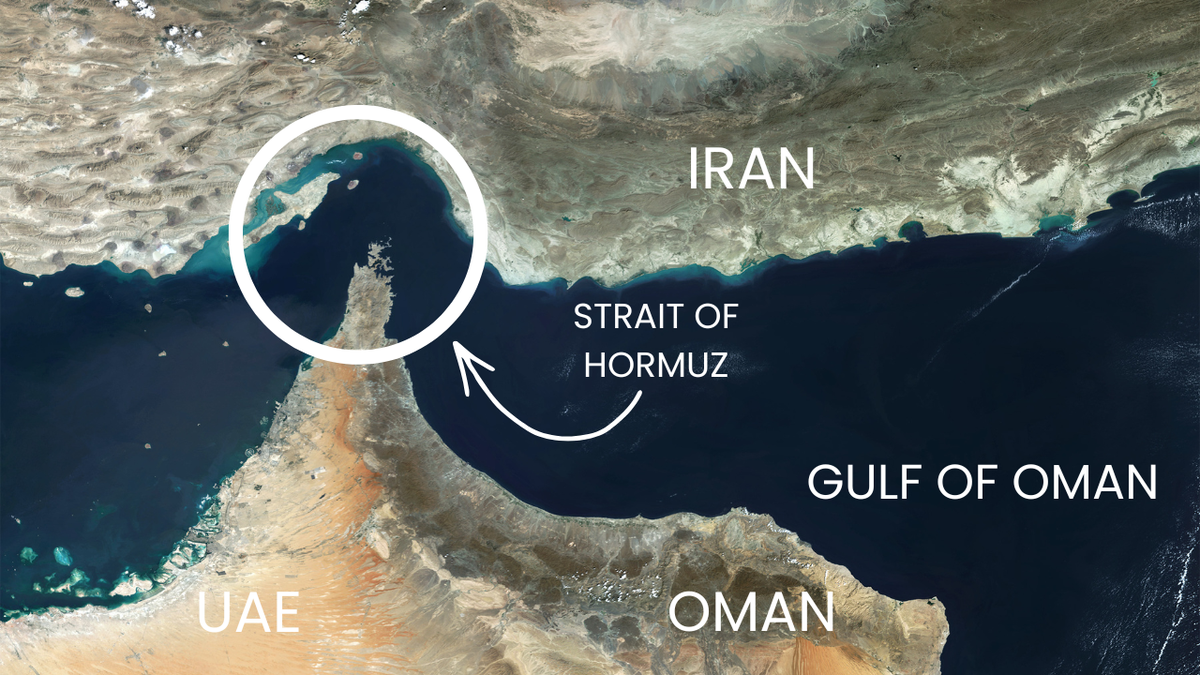
The global energy market is reacting to reports of a draft memorandum of understanding between the United States and Iran. According to Iran International, the proposal seeks to reopen the Strait of Hormuz, a critical maritime chokepoint. Under the draft terms, Iran would clear mines within the waterway to allow for the free passage of commercial shipping. In exchange, the U.S. would lift its current blockade on Iranian ports and issue limited sanctions waivers.
This potential de-escalation is framed within a “relief for performance” structure. Washington has indicated that while it is willing to negotiate broader sanctions relief and the release of frozen funds, these actions remain contingent upon the verifiable implementation of a final agreement. The draft also includes commitments from Tehran to halt the pursuit of nuclear weapons and negotiate limits on uranium enrichment.
Negotiators are reportedly focusing on the 60-day window as a test period. During this time, the U.S. would monitor the removal of naval mines and the cessation of maritime harassment in the Persian Gulf. Should these conditions be met, the memorandum outlines a pathway toward formalizing a longer-term diplomatic framework. The inclusion of nuclear enrichment caps remains the most significant hurdle in the negotiations, with Tehran insisting that any halt to its nuclear program must be met with comprehensive, permanent sanctions removal rather than temporary waivers.
Market Volatility and Price Trends
The uncertainty surrounding these talks has triggered a notable shift in commodity pricing. As reported by Trading Economics, WTI crude futures dropped toward 91 USD per barrel on Monday. This decline extends a downward trend observed over the past month, during which prices fell 4.81%. Despite this recent cooling, current prices remain 50.66% higher than they were one year ago.

Market analysts are closely watching the timestamped price data, which logged a rate of 91.81 USD per barrel earlier today. The volatility is tied directly to the strategic importance of the Strait of Hormuz, which facilitates the transit of approximately one-fifth of the world’s crude oil and liquefied natural gas shipments. The ongoing conflict and the dual blockade have previously forced Middle Eastern producers to suspend the output of millions of barrels per day.
For more on this story, see Trump Clears Path for Iran Deal Only if U.S. Gets ‘Everything We Want.
Traders are currently pricing in the risk that the 60-day memorandum could collapse. If the negotiations fail, analysts suggest the market could see a rapid reversal of today’s price decline, driven by renewed fears of supply shortages. The current trading volume reflects high levels of caution, as market participants wait for official confirmation from the State Department regarding the specific terms of the proposed sanctions waivers.
The Stance of the U.S. Administration
Despite the progress reported in the draft memorandum, the White House has signaled a cautious approach. President Donald Trump stated that his administration would maintain the blockade of the Strait of Hormuz until a formal, final agreement is reached. The president emphasized that Washington would not “rush” into a deal, prioritizing the verification of Iranian compliance over rapid implementation.
The administration’s position is supported by a strategy of incremental verification. By maintaining the blockade during the initial 60-day period, the U.S. aims to ensure that Iran follows through on mine-clearing operations before any significant economic concessions are finalized. This approach is intended to prevent the potential for Iranian backsliding on nuclear commitments.
This follows our earlier report, Iran U.S. Close to Ceasefire Deal.
The proposed deal also carries implications for regional security, including a provision that envisions an end to hostilities between Israel and Hezbollah in Lebanon. While U.S. forces remain mobilized in the region, the current understanding suggests they will only withdraw once a final deal is successfully executed. Defense officials have noted that the ongoing military presence serves as a deterrent to prevent regional escalation while diplomatic channels remain open.
Long-term Economic Implications
The global reliance on crude oil remains a central factor in international economic health. According to Business Insider, crude oil is not only a primary energy source but also an essential raw material. Analysts estimate that 45 per cent of crude oil is utilized for the production of primary materials, including plastics, medicines, and cosmetics.
With global demand for energy continuing to rise—a trend noted by the International Energy Agency—the difficulty of discovering and developing new oil reserves has kept supply constraints at the forefront of market concerns. As of the most recent projections, analysts expect crude oil to trade at 98.72 USD per barrel by the end of this quarter, with estimates reaching 114.39 USD within 12 months.
The economic stakes are particularly high for manufacturing sectors that rely on petroleum derivatives. Supply chain managers are currently evaluating the impact of the Strait of Hormuz blockade on production costs, as any sustained disruption to shipping lanes creates a ripple effect that increases the price of raw inputs. While the current negotiations offer a potential reprieve, the long-term forecast remains sensitive to any further geopolitical friction in the Middle East.
