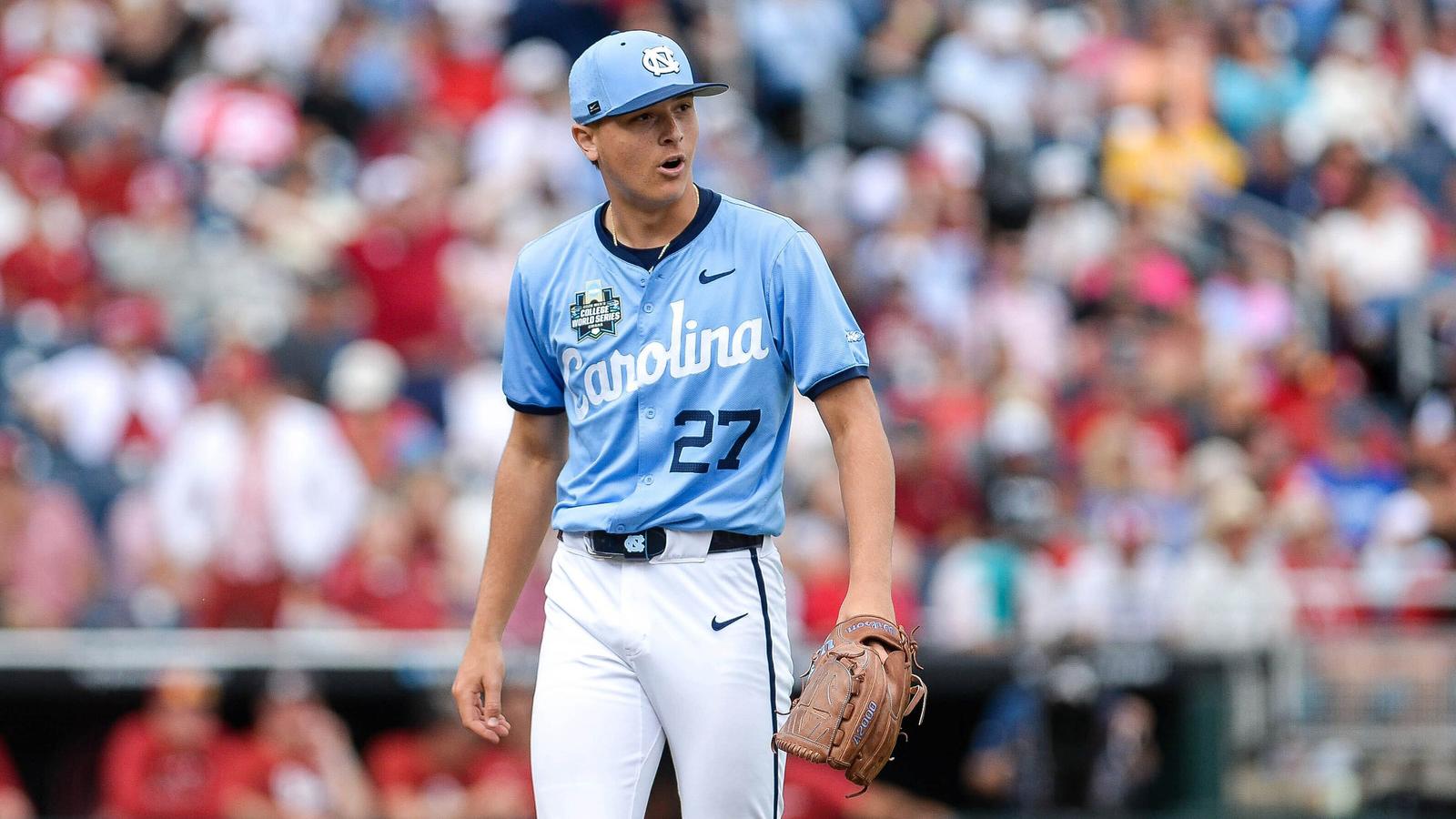
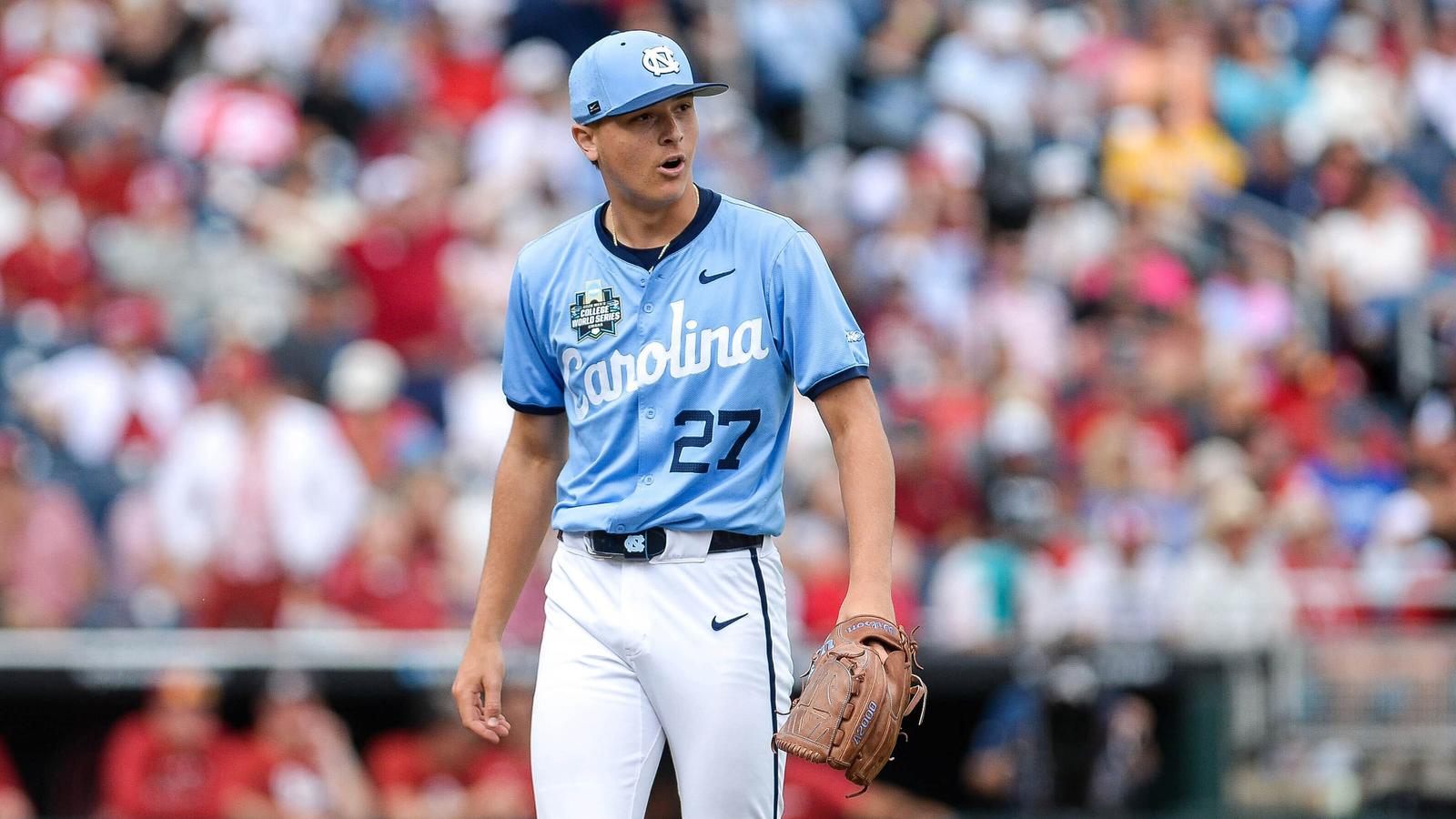
North Carolina forced a decisive Game 3 in the Men’s College World Series finals on Saturday, defeating Oklahoma 6-2 at Charles Schwab Field in Omaha. After dropping the series opener, the Tar Heels rebounded with a strong pitching performance and timely offense to tie the championship series at 1-1, according to reporting from the NCAA.
Pitching Dominance and the Glauber Performance
The Tar Heels’ victory hinged on a commanding effort from the mound. While starter Ryan Lynch exited the game after four innings, freshman Caden Glauber provided a spectacular relief appearance. Glauber threw five innings of one-hit baseball, striking out eight and walking two to move his season record to 12-0, as reported by GoHeels.com.

The bullpen success represented a sharp turnaround from the series opener. Early in the first inning, Oklahoma’s offense threatened to replicate their success from the previous day by scoring two runs against Lynch. However, a critical mound visit from pitching coach Bryant Gaines helped stabilize the situation, allowing the Tar Heels to hold the Sooners scoreless for the remainder of the afternoon. This transition from the starter to a long-relief specialist is a common tactical evolution in the College World Series, where teams often prioritize depth to navigate the high-stakes, high-pressure environment of the double-elimination tournament format.
Offensive Adjustments and Lineup Strategy
North Carolina head coach Scott Forbes utilized an aggressive lineup shuffle to generate momentum. Carter French, moved to the eighth spot in the batting order, became the first player in College World Series history to draw four walks in a single game. The offensive production was bolstered by Cooper Nicholson, who hit a two-run home run in the seventh inning after working a full count.

The team’s approach was notably more disciplined than in their previous outing. Despite leaving runners on base in the third and fifth innings, the Tar Heels consistently added to their total. Owen Hull, a George Mason transfer, also contributed with a solo home run in the fifth, cementing his role as a tournament standout. According to the NCAA, Hull entered the game leading the team in batting average, hits, and extra-base hits throughout the tournament. By forcing Oklahoma’s pitchers to throw deep counts, the Tar Heels were able to drive up pitch counts, an essential strategy in modern collegiate baseball to force an early exit for starting pitchers and expose the middle relief corps.
The Context of the College World Series
The College World Series (CWS) remains one of the most grueling tests in amateur athletics. Played at Charles Schwab Field since 2011, the tournament functions as the culmination of the NCAA Division I baseball season. Teams must navigate the regional and super regional rounds to reach Omaha, where the final eight teams compete in a double-elimination format before the championship series. The pressure of the stage is amplified by the physical toll of playing multiple high-intensity games in a short window, often testing the depth of a roster’s bullpen and the versatility of its bench players.
Oklahoma’s Path to the Decider
For Oklahoma, the loss halts a momentum-filled run that saw the team enter the finals with a 4-0 start in the College World Series. The Sooners, who are seeking their third NCAA title since 1951, won the series opener 9-3 behind two home runs from Deiten Lachance, as noted by The Oklahoman.
Despite the Game 2 setback, the Sooners maintain a 42-22 record on the season. The program’s resilience has been a hallmark of their 2026 campaign, which included a 10-1 record in the NCAA tournament leading up to the finals. Coach Skip Johnson’s team must now regroup for a winner-take-all matchup. In collegiate baseball, the “winner-take-all” Game 3 is a rarity that defines legacies, requiring coaching staffs to balance the risk of using tired arms against the necessity of securing the final outs.
Looking Ahead to Game 3
The championship will be decided on Sunday, June 21, 2026, at 6 p.m. CT at Charles Schwab Field. The game will be broadcast on ESPN. For North Carolina, the objective remains securing the first NCAA baseball championship in program history. For Oklahoma, the final game represents an opportunity to add to the titles they captured in 1951 and 1994, according to The Oklahoman.
Defensive execution, such as the game-ending double play turned by captain Gavin Gallaher on Saturday, will likely remain a focal point for the Tar Heels. As GoHeels.com reported, the ability of players to remain engaged despite benching or frustration—a culture fostered by Forbes—will be tested as both teams face the final game of the 2026 season. With the series tied 1-1, the focus shifts to the availability of the pitching staffs, as both programs have exhausted their primary starters and must now rely on depth, situational substitution, and the mental fortitude of their players to close out the season.
Find more reporting in our News section.
