
Origins of the IRS Settlement and Legal Controversy
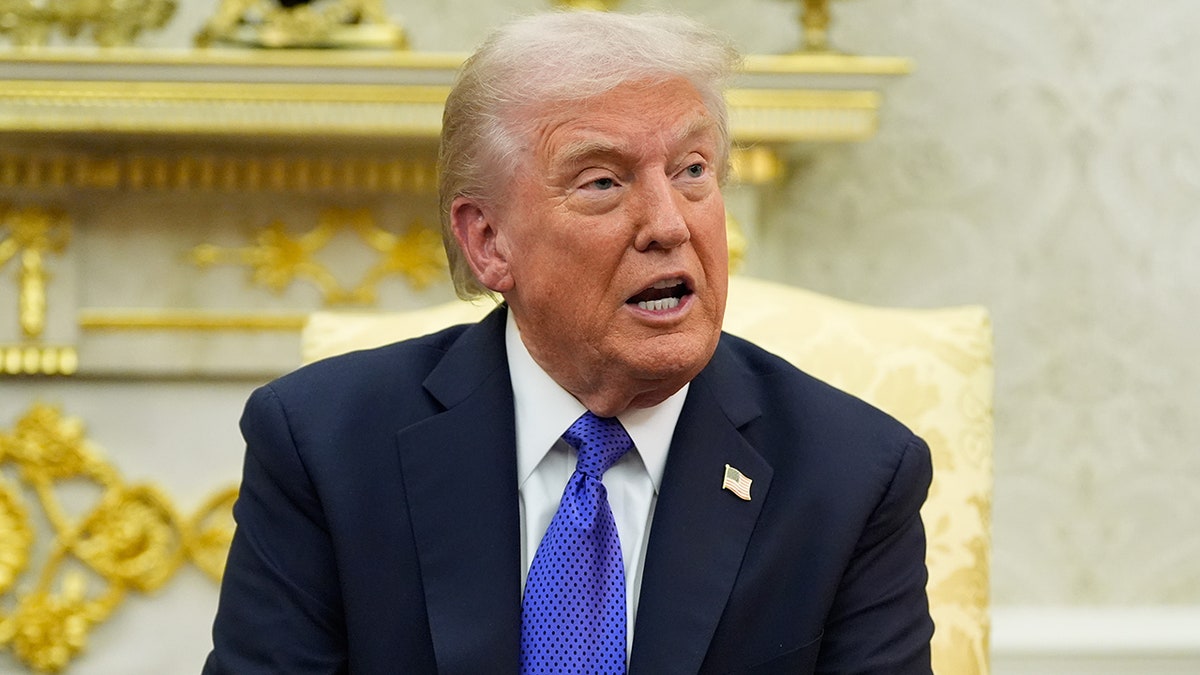
The fund emerges from a settlement between President Donald Trump and the Internal Revenue Service (IRS), stemming from a 2019 lawsuit over the unauthorized disclosure of his tax returns. The agreement, finalized in May 2026, bars the IRS from pursuing claims against Trump, his family, or businesses related to past tax issues. The DOJ’s $1.776 billion allocation, drawn from a perpetual appropriation, is intended to reimburse individuals and entities alleging government overreach during investigations.
The program’s legal basis is contentious. Former DOJ attorney Stacey Young, now with Justice Connection, criticized the arrangement, stating, “The president is at the top of the executive branch, when he sues the executive branch, he is in effect suing himself.” Legal experts noted the settlement’s novelty, as no sitting president has previously sued the IRS in this manner.
Political Backlash and Allegations of Misuse
Democrats and public interest groups have condemned the fund as a misuse of federal resources. Retired Judge William Smith, appointed by George W. Bush, called it “a thinly veiled attempt to funnel federal money to people sympathetic to the president’s cause.” The fund’s creation coincides with ongoing lawsuits against Trump’s second administration, including challenges to policies targeting political opponents and civil society.
The IRS’s role in the settlement has also drawn scrutiny. Trump’s lawsuit, which sought $10 billion in damages, alleged the agency failed to protect his tax information after it was leaked by a government contractor. A Miami federal judge dismissed the case in May 2026, but the settlement’s terms remain under review.
Lack of Transparency in Eligibility and Application
While the fund’s existence is confirmed, details about how allies will apply or qualify remain unclear. Sources indicate the DOJ is developing criteria to determine eligibility, but no official guidelines have been released. The lack of transparency has fueled concerns about potential abuse, with critics arguing the program lacks oversight.
“Without clear procedures, this could become a tool for political favoritism,” said Joseph J. Thorndike, a Tax Notes contributor. “It’s unprecedented and raises serious questions about accountability.”
Precedent and Concerns Over Future Legal Battles

The fund’s establishment reflects Trump’s continued influence over federal institutions. Since his 2024 election, his administration has faced over 550 lawsuits, including challenges to executive orders and policies on immigration and transgender rights. The anti-weaponization fund adds to this legal landscape, potentially setting a precedent for using taxpayer money to shield allies from past investigations.
As of May 21, 2026, the DOJ has not commented on the next steps for the program. Meanwhile, Trump’s legal team has emphasized the settlement’s benefits, framing it as a victory against “government overreach.”
Uncertain Future and Congressional Scrutiny
The fund’s implementation will depend on congressional oversight and judicial review. Legal scholars warn that its long-term impact hinges on whether it is used to address legitimate grievances or as a political tool. For now, the program remains a focal point of debate over the intersection of law, power, and accountability in Trump’s second term.
