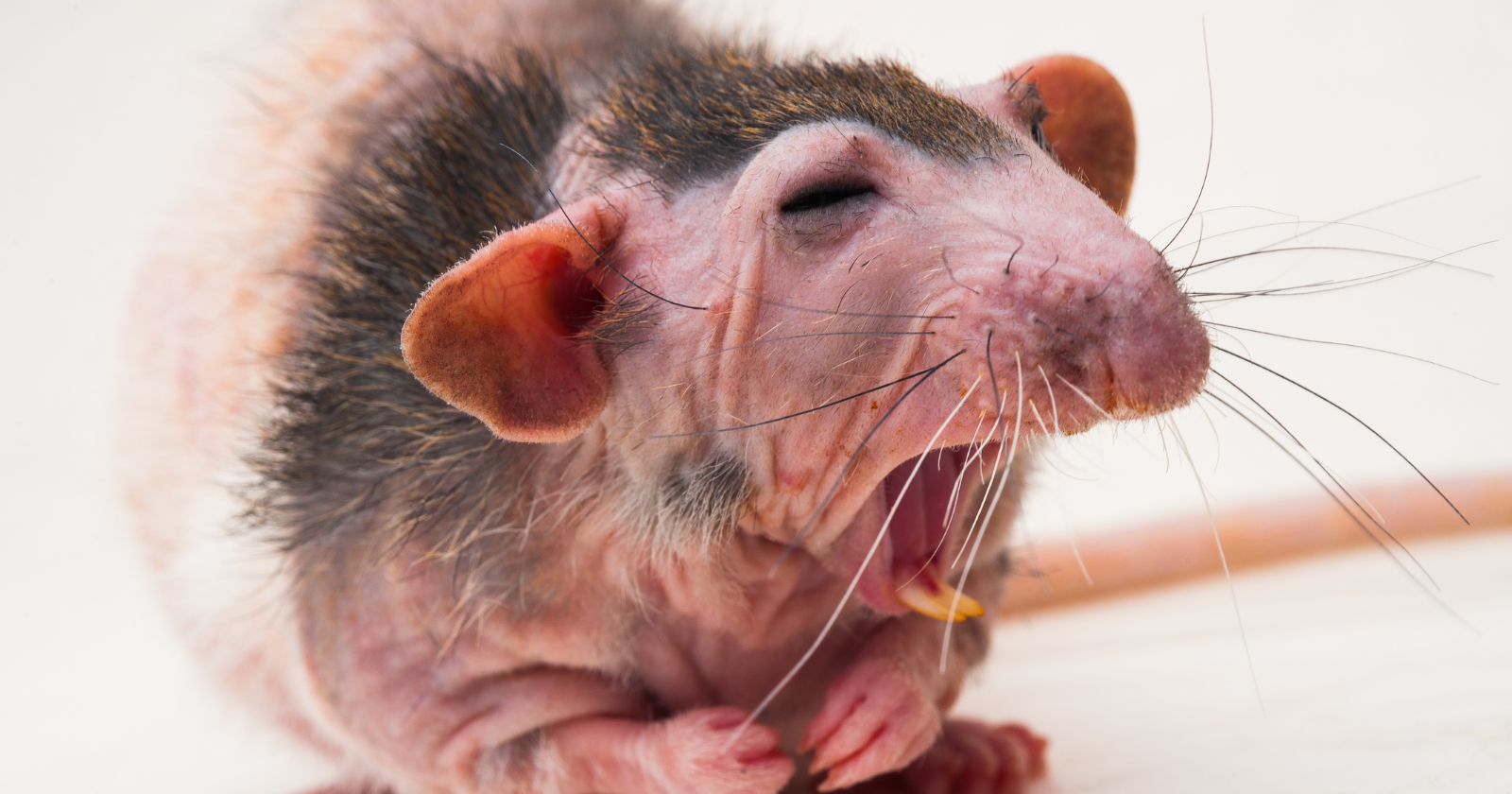
Researchers at Tongji University identified that four specific amino acid substitutions in the cGAS protein allow naked mole rats to resist age-related disease and live over thirty years. Published in October 2025, the study reveals how these mutations enhance DNA repair mechanisms, marking a significant departure from standard rodent biological aging patterns.
Biological Anomalies of the Naked Mole Rat
The naked mole rat defies the conventional biological calculus that limits similar-sized rodents like mice and hamsters to a lifespan of two to four years. While most small mammals experience rapid metabolic rates and accelerated aging, the naked mole rat routinely survives more than thirty years. According to SpaceDaily, this longevity is characterized by a resistance to almost all age-related diseases. Caleb Finch, a gerontologist at USC, has identified this as the first confirmed instance of negligible senescence in a mammal, meaning the species does not face an increased risk of death as it ages. This phenomenon is a subject of intense study because it challenges the “Disposable Soma” theory, which posits that organisms must trade off investment between reproduction and somatic maintenance, leading to inevitable physical decline.
The cGAS Protein Mechanism
The key to this resilience lies in the cGAS protein, an evolutionary constant found in nearly all animals. In humans and mice, cGAS typically functions as a cellular alarm system that detects DNA fragments outside the nucleus to trigger an immune response. However, it also has a secondary, detrimental effect: it suppresses homologous recombination, a critical pathway for repairing double-strand DNA breaks. If these breaks remain, they drive both cancer and cellular aging. The accumulation of these breaks is a hallmark of the aging process in most mammals, leading to genomic instability that facilitates tumor growth and organ failure.

The Tongji University team discovered that the naked mole rat possesses a unique version of this protein. As reported by SpaceDaily, four specific amino acid substitutions prevent the protein from degrading as quickly as it does in other mammals. This increased persistence allows the naked mole rat’s cGAS to interact more effectively with two vital repair proteins, FANCI and RAD50. By doing so, the protein promotes rather than inhibits DNA repair, keeping cells healthy for significantly longer periods. This suggests that the naked mole rat has evolved a mechanism to decouple the immune-alert function of cGAS from its negative impact on genomic repair.
Experimental Validation of DNA Repair
To confirm this mechanism, the research team manipulated the protein in laboratory settings. By removing cGAS from naked mole rat cells, they observed a sharp increase in accumulated DNA damage, confirming that the protein is central to the species’ cellular maintenance. Chemical & Engineering News noted that these mutations represent a subtle but powerful evolutionary adaptation, where the protein’s fundamental role remains intact while its behavioral relationship with DNA repair machinery is fundamentally altered. This work builds on broader scientific efforts to understand how cellular sensors differentiate between foreign viral threats and the cell’s own internal genomic damage.
Broader Implications for Longevity Research
The implications of this discovery reach beyond the biology of rodents. In human medicine, the cGAS-STING pathway is frequently studied in the context of autoimmune diseases and cancer therapy. Because cGAS can trigger chronic inflammation—a state often called “inflammaging”—finding ways to modulate this protein without suppressing the immune system is a major objective in gerontology. Researchers are currently evaluating whether the specific amino acid substitutions found in the naked mole rat can be mirrored in other models to suppress the deleterious side effects of cGAS in humans, potentially slowing the accumulation of senescent cells that contribute to age-related decline.

Cultural and Historical Context of Nudity
While the biological study of longevity focuses on the “naked” nature of these rodents, the term has a distinct history in cinema. Nudity in film has evolved significantly since 1915, when director Lois Weber first featured a nude actress. According to The Cinemaholic, advancements in prosthetics and camera technology have made the inclusion of such scenes more common in conventional Hollywood productions.
- Cashback (2006): An experimental-turned-feature film that Roger Ebert described as “lightweight, as it should be.”
- Tiger, Blood in the Mouth (2016): A sports-drama noted for its focus on sexual encounters rather than traditional boxing choreography.
- Boogie Nights (1997): A film detailing the 1970s porn industry, featuring the use of a prosthetic penis for the lead actor.
These cinematic depictions contrast sharply with the biological reality of the naked mole rat, which remains a subject of intense scientific interest for its ability to avoid the cellular decay associated with aging. While film continues to explore the human body through a lens of artistic and commercial expression, researchers continue to look toward the naked mole rat for potential insights into extending healthy lifespans in other species, including the production of healthier, modestly longer-lived mice through related genetic interventions that result in a 4.4 percent increase in longevity. This iterative improvement in mouse models serves as a primary testbed for validating whether molecular pathways discovered in extreme-longevity species can be translated into broader therapeutic applications.
Find more reporting in our Technology section.
