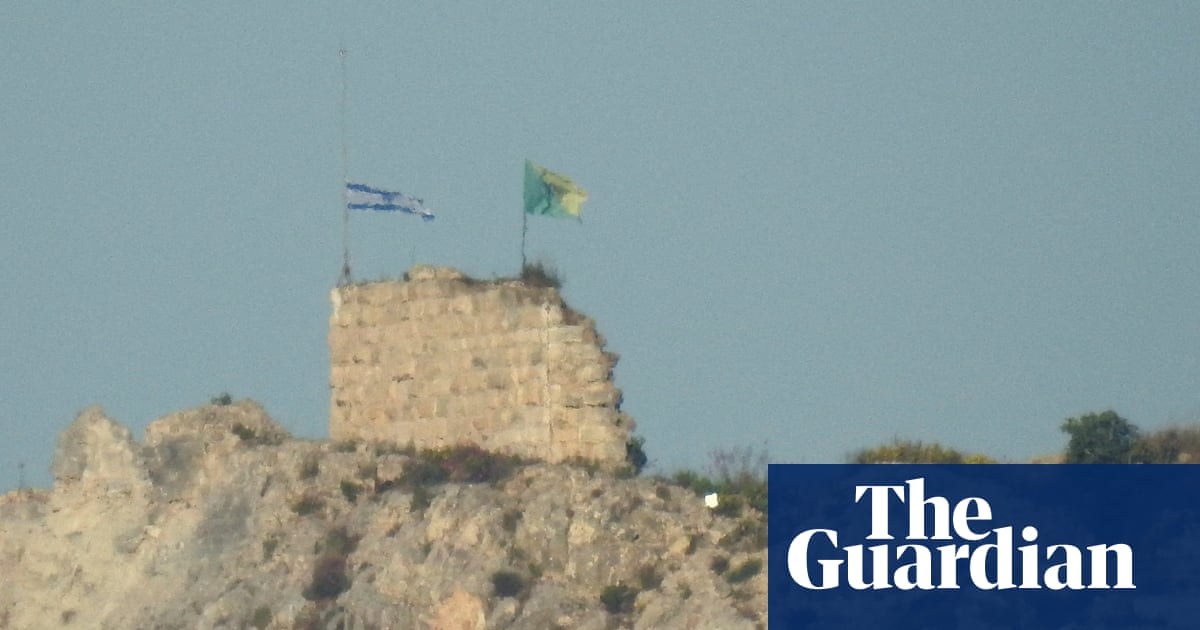
Israeli forces seized the historic Beaufort Castle in southern Lebanon on Sunday, marking the deepest military incursion into the country in over 25 years. The strategic hilltop fortress, which overlooks the Litani River, was captured amid ongoing hostilities, heightening regional tensions despite a nominal ceasefire and complicating nascent diplomatic efforts to end the broader Iran-linked conflict.
A Strategic Command of the Southern Ridge
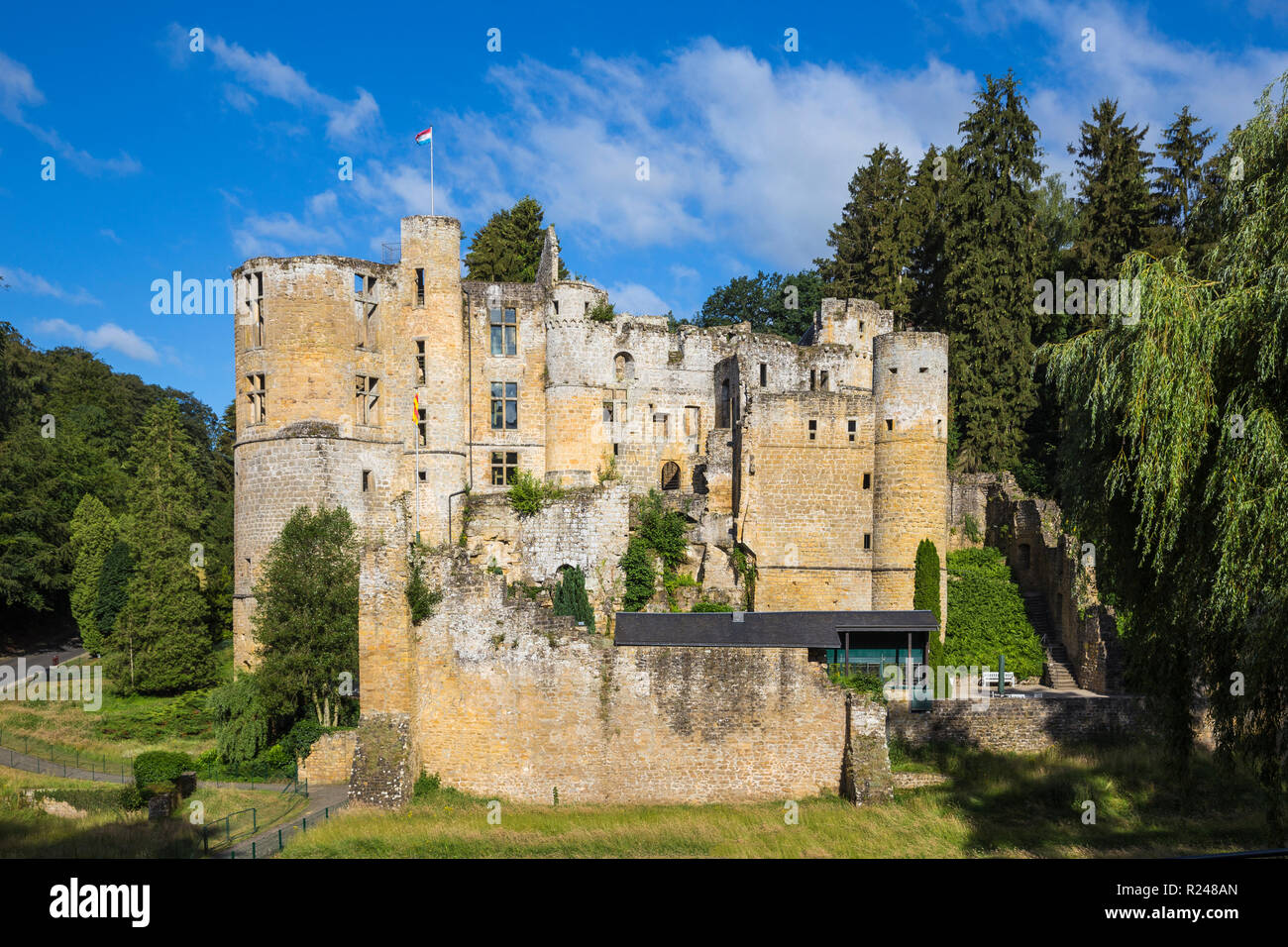
Beaufort Castle
The capture of Beaufort Castle—known locally as Qalaat al-Shaqif—represents a significant tactical shift in the ongoing conflict. Situated 700 meters above sea level, the 12th-century Crusader fortress serves as a commanding observation post. According to reporting from Tyre by Obaida Hitto, the position provides Israeli forces with a clear vantage point over the city of Nabatieh, the western Bekaa Valley, the Golan Heights, and the Galilee region of northern Israel.
For the Israeli military, the occupation of the ridge is framed as a necessary measure to dismantle Hezbollah infrastructure and secure high ground near the border. However, the military reality on the ground remains volatile. While the area had been largely emptied of civilians following intense Israeli airstrikes in the preceding weeks, the physical occupation of such a symbolic site has reignited fears of a long-term presence. Defense Minister Israel Katz has stated his intention to maintain the castle as part of a permanent security zone in southern Lebanon, a declaration that directly challenges the diplomatic framework currently being negotiated.
The Psychological Weight of a Symbolic Fortress
cluster (priority): Al Jazeera
Beyond its tactical utility, the castle carries immense psychological baggage for both Lebanese and Israeli populations. Its history as a base for Palestinian fighters before the 1982 Israeli invasion, and its subsequent 18-year occupation until 2000, has made it a focal point for memories of past conflicts.
“The raising of the Israeli flag and the flag of the Golani Brigade above the castle caused a shock to me and to all southerners and Lebanese people.”Alawieh, a tour guide based in south Lebanon, via The Guardian
For local residents, the return of the Israeli flag is not merely a military development but a visceral reminder of previous occupations. As Fouad Fatimi, the mayor of Arnoun, observed, the sight of the flag effectively transports the region back to the painful memories of 1986, 1987, and 2000. This sentiment is shared by observers who view the display as a deliberate act of psychological theater.
“Raising the Israeli flag above it is intended to send a message of psychological domination and defeat to the population, conveying that the ‘sites you considered impregnable have fallen’.”Alawieh, via The Guardian
Conversely, Israeli Prime Minister Benjamin Netanyahu has characterized the site as a symbol of heroic struggle. Yet, even within Israel, the decision to re-occupy the fort has met with internal skepticism. Orna Mizrahi, a former deputy director in the National Security Council, noted that while the fort is a symbol of victory for some, it also represents the high cost of holding such territory. She suggested that the military’s return to this ground feels like the country is “going in circles,” leaving many to question the ultimate strategic objective of the move.
Diplomatic Strains and the Iran Ceasefire
Israel seizes historic Beaufort Castle in south Lebanon
The escalation at Beaufort Castle comes at a delicate time for international diplomacy. With the region already reeling from the broader Iran war—which has claimed over 3,300 lives in Lebanon since early March—the advance threatens to derail fragile ceasefire negotiations.
The international community has reacted with alarm to the deepening incursion. Qatar has labeled the move a “dangerous escalation,” while the German foreign minister has expressed serious concern regarding the expansion of the ground war. These developments have created a complex hurdle for negotiators; Tehran has signaled that any agreement to stabilize the region must include an end to the fighting in Lebanon.
The current status of the conflict is marked by several stark indicators of the scale of the crisis:
Casualties in Lebanon: Over 3,300 people killed since March 2, including dozens of children.
Displacement: Approximately 1 million people have been forced from their homes.
Israeli Losses: At least 25 soldiers and one defense contractor killed, alongside two civilians in northern Israel.
Conflict Duration: The current offensive has been active for six weeks, following an acceleration of what was previously a low-intensity war.
Lebanese Prime Minister Nawaf Salam has accused Israel of “implementing a policy of total destruction of cities and towns,” a claim that underscores the widening chasm between the warring parties.
The Uncertainty of the Security Zone
cluster (priority): AP News
As Israel attempts to solidify its control over the Beaufort ridge, the path forward remains obscured by the lack of a clear diplomatic exit. While Defense Minister Israel Katz has publicly vowed to establish a permanent security zone, analysts like Mizrahi argue that military operations alone cannot resolve the fundamental issues with Hezbollah.
The situation on the ground remains fluid. Despite the nominal U.S.-brokered ceasefire, the capture of Beaufort Castle serves as a stark physical manifestation of the breakdown in those agreements. With the Israeli flag flying over the peaks once again, the immediate future of the border region likely involves continued, if not intensified, friction. For the residents of southern Lebanon, the castle remains a symbol of resistance, while for the Israeli government, it serves as a high-stakes bargaining chip in a conflict that shows few signs of reaching a sustainable resolution.
Rafael Moreno directs international correspondents from London to Singapore. A multilingual journalist born in Madrid, he spent 12 years covering diplomacy and conflict for Global Affairs Review. His background in political science strengthens Globally Pulse’s depth in world reporting.