U.S.
The United States and Iran signed a preliminary memorandum of understanding on Sunday to end nearly four months of hostilities, with President Donald Trump announcing the reopening of the Strait of Hormuz and the lifting of a U.S. naval blockade on Iranian ports. But in Tehran, many residents and hardline factions remain skeptical that the deal will bring lasting stability, citing unresolved issues like sanctions relief, Iran’s nuclear program, and frozen assets.
What the deal actually says—and what it leaves out
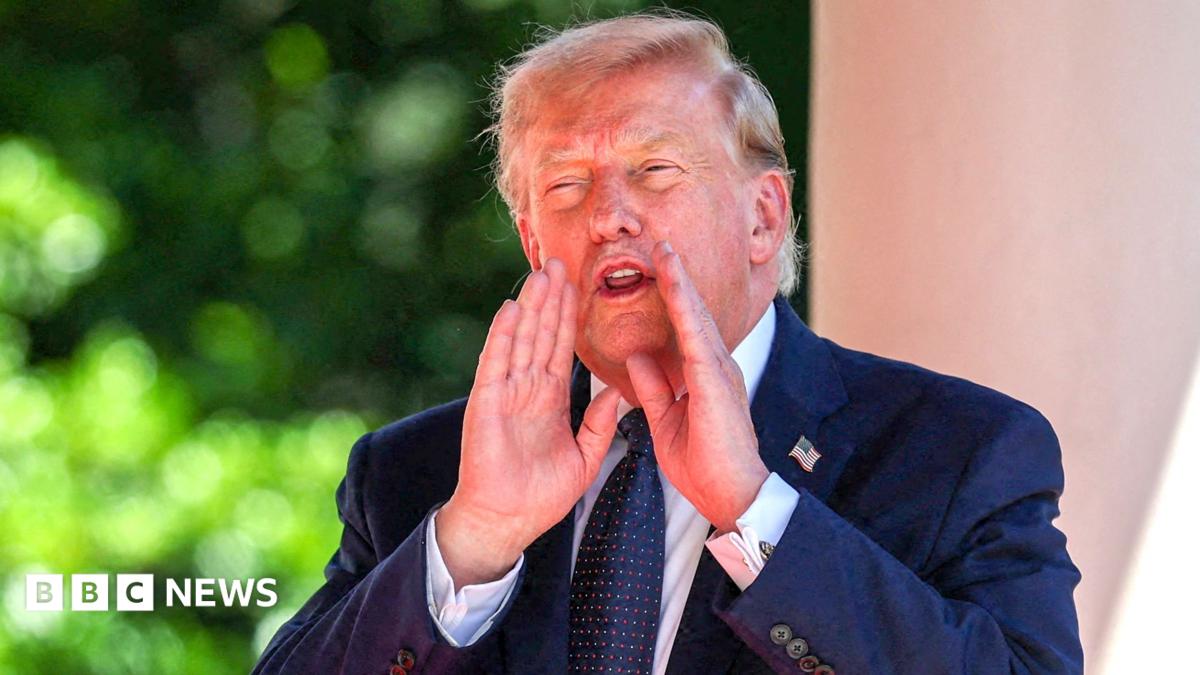
The agreement, signed electronically by U.S. and Iranian officials, includes two immediate measures: the reopening of the Strait of Hormuz—a critical oil shipping route—and the end of the U.S. naval blockade on Iranian ports. According to Trump, the deal does not include automatic sanctions relief for Iran, though he acknowledged that “if they do what they’re supposed to do, that starts taking effect.” Iranian state media, however, has previously reported that the deal does include the easing of U.S. sanctions—a claim Trump dismissed as misleading.
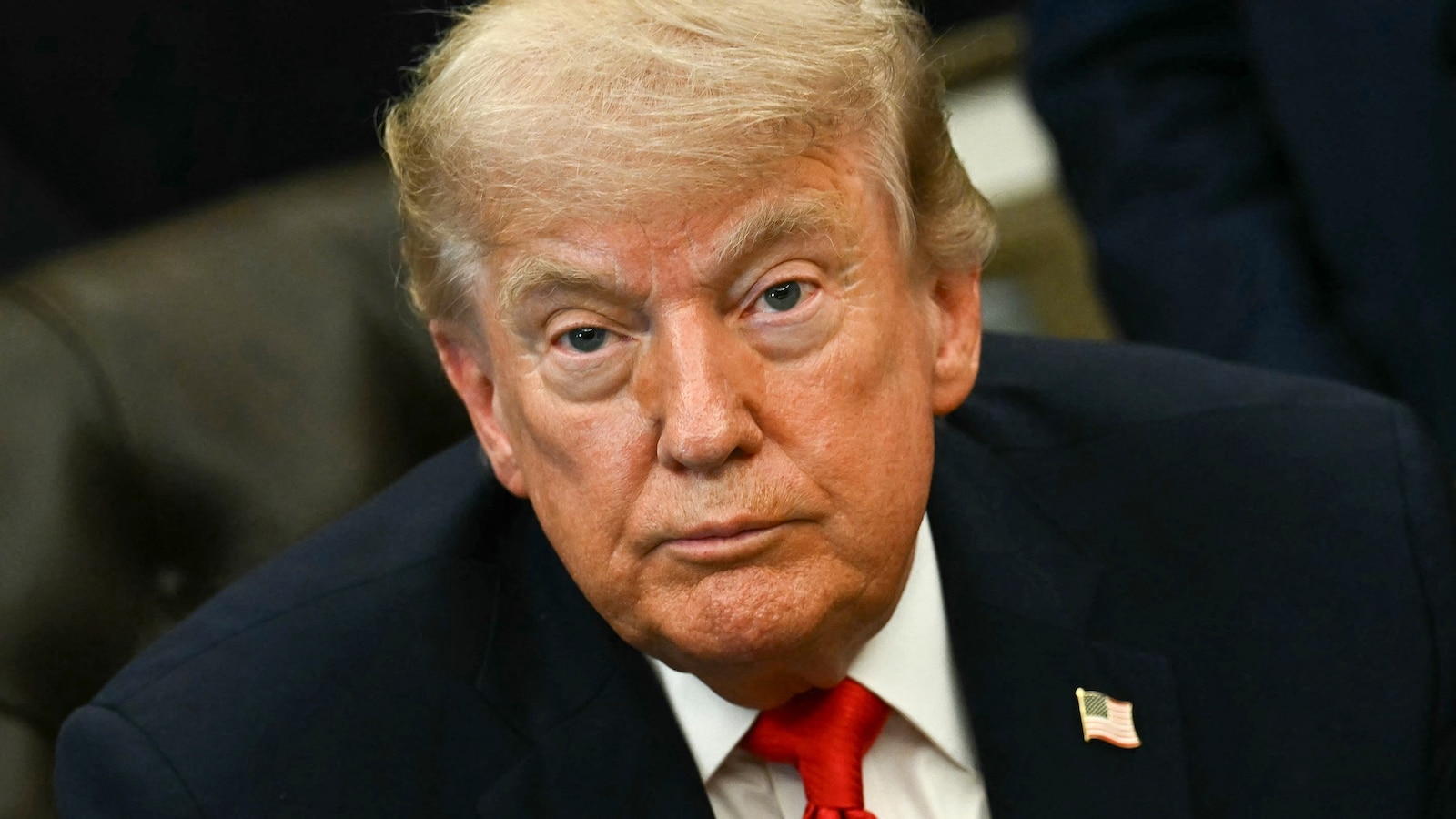
Vice President JD Vance clarified on CNN that the memorandum is a “very general document” spanning about a page and a half, with key details—including the future of Iran’s nuclear program and sanctions—left for a 60-day technical negotiation phase beginning Friday. “On a number of issues, we are going to have to figure this stuff out during the technical negotiation phase,” Vance said.
The deal also leaves major questions unanswered. Iran insists it “won” the war and now seeks recognition of its sovereignty over the Strait of Hormuz, though the U.S. has not confirmed who will control the waterway going forward. Meanwhile, Iran’s Revolutionary Guards have claimed the U.S. will unfreeze billions in Iranian assets—a claim Vance called “definitely not true,” suggesting hardliners within Iran may be overstating the concessions to rally domestic support.
Who benefits—and who loses?
The immediate winners are global energy markets, which have been rattled by the uncertainty of the Strait of Hormuz’s closure. The U.S. also gains a temporary de-escalation, though Israel’s continued presence in Lebanon—despite Iran’s calls for a “complete halt” to action—suggests regional tensions remain unresolved. For Iran, the deal offers a reprieve from economic strangulation but does little to address the core demands of its hardline factions, who have criticized the government for perceived concessions.
For more on this story, see Israel rejects 2025 Iran nuclear deal, calls security ‘paramount’ amid regional tensions.
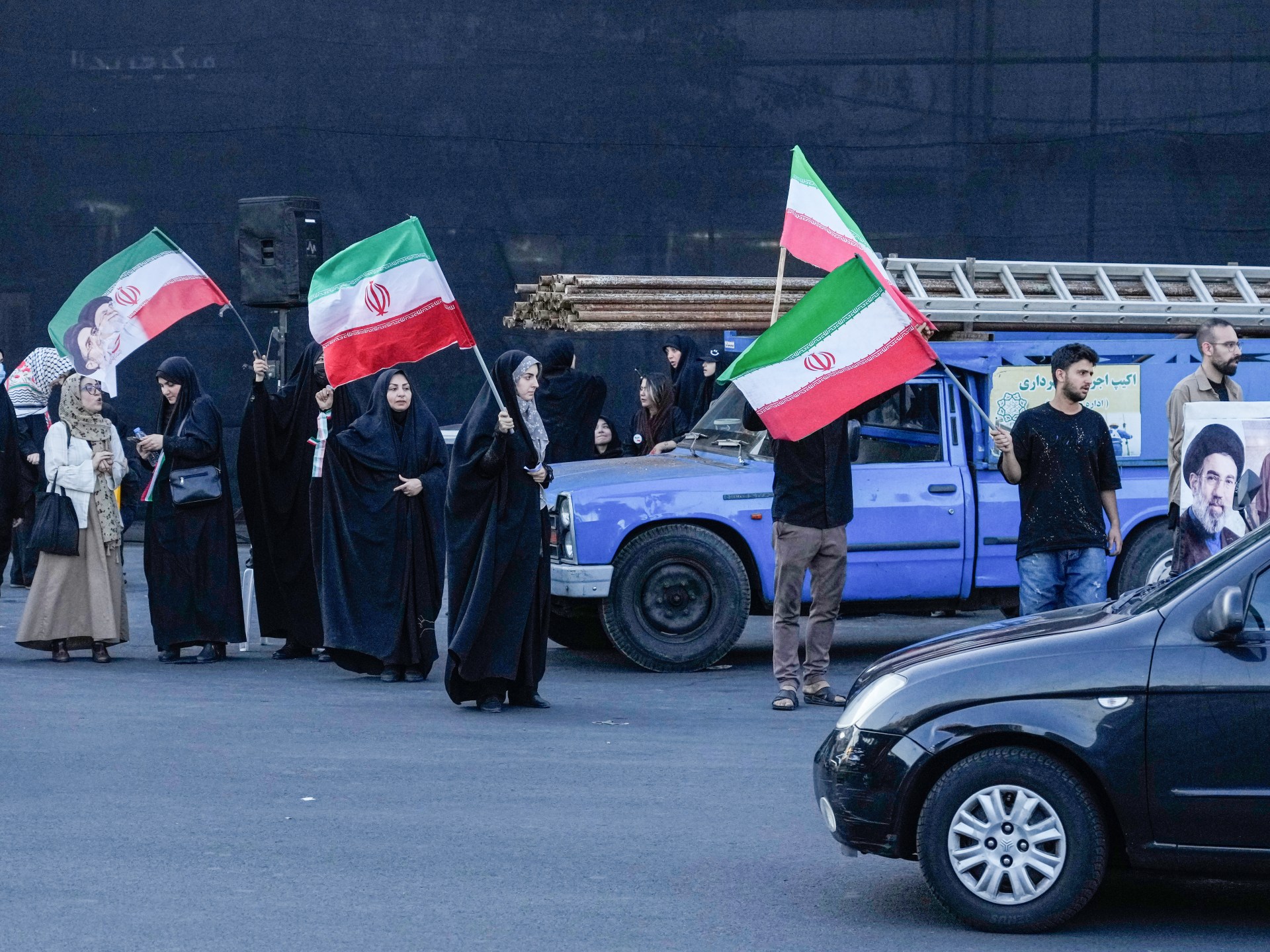
Iranian residents like Parisa, a university student in Tehran, expressed skepticism. “I think the agreement doesn’t have huge benefits for the people because it won’t be really enforced in full to bring any stability to our lives,” she told Al Jazeera. Others, like Mehdi, another Tehran resident, fear the ceasefire is temporary. “I don’t think the U.S. is willing to accept even the least of Iran’s demands,” he said, pointing to unresolved issues like sanctions and Iran’s nuclear program.
Hardliners in Iran have already begun pushing back. Pro-state gatherings in Tehran’s Valiasr Square have featured giant murals of the late Supreme Leader Ayatollah Ali Khamenei, with some protesters calling for a resumption of war. The timing of Iran’s announcement—delayed until after midnight local time to avoid coinciding with Trump’s birthday—suggests Tehran was mindful of domestic sentiment.
This follows our earlier report, Trump Set to Make Final Determination on Iran Nuclear Deal.
The nuclear question—and why it’s still unresolved
The deal’s most critical—and contentious—issue is Iran’s nuclear program. Iranian state media reports that Tehran has committed not to produce nuclear weapons, but the specifics remain vague. The U.S. and Iran will have 60 days to negotiate how to destroy and remove nuclear material, though restrictions on enrichment and the fate of Iran’s stockpile of highly enriched uranium are still unclear.
Vance emphasized that preventing Iran from developing a nuclear weapon is the U.S.’s top priority. “We certainly expect that as part of our broader agreement, Iran is going to stop funding terrorist organizations,” he said, referencing the memorandum’s commitment to “regional peace and stability.” However, Iran has insisted that negotiations will focus solely on nuclear issues, excluding its ballistic missile program and support for groups like Hamas and Hezbollah—two major U.S. concerns.
The BBC reported that Iran’s Deputy Foreign Minister, Kazem Gharibabadi, confirmed the deal’s inclusion of all “important issues,” but the lack of transparency has left analysts questioning whether the agreement is more about short-term stability than long-term resolution. “This is a very general document,” Vance reiterated, underscoring that the real work—and potential breakdown—lies ahead.
What happens next—and why the next 60 days matter
The formal signing ceremony will take place in Switzerland on Friday, attended by Vice President Vance. But the real test begins immediately after: the 60-day technical negotiation phase, during which the U.S. and Iran must address sanctions, nuclear restrictions, and regional security. Senior U.S. officials have promised to release the full text of the memorandum within the next 24 to 48 hours—a move aimed at building trust, though skepticism remains high.
Read also: Britain Prepares for Mine-Clearing Mission in Strait of Hormuz.
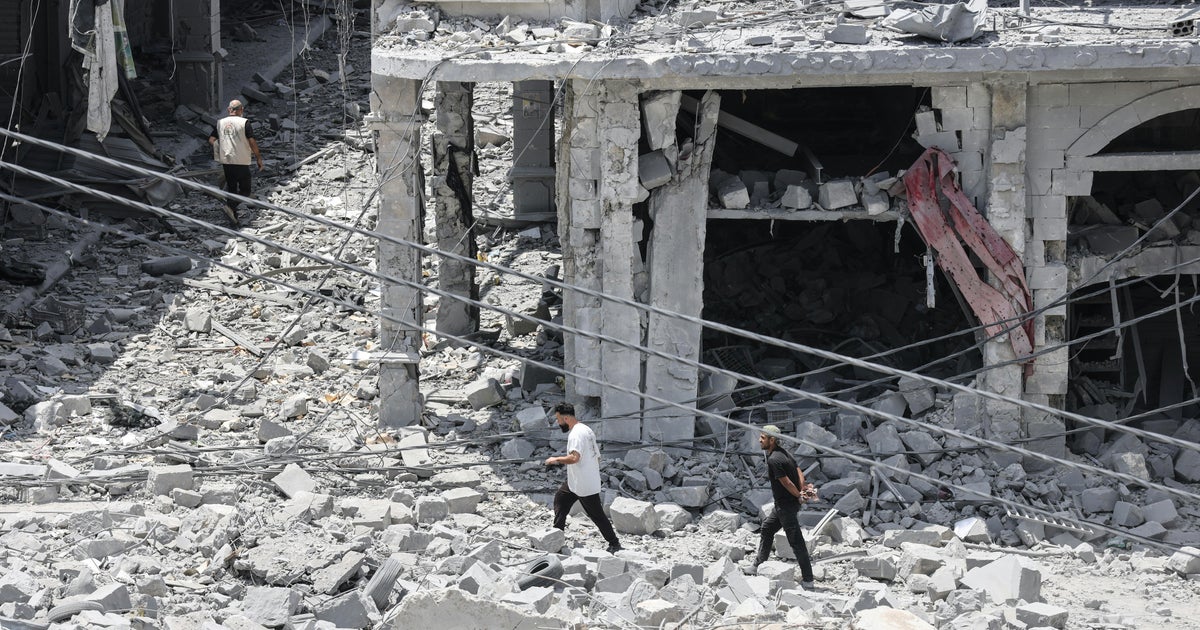
Pakistan’s Prime Minister Shehbaz Sharif announced that both sides have declared an “immediate and permanent termination of military operations on all fronts, including in Lebanon.” However, Israel’s defense minister has stated that Israeli forces intend to stay in Lebanon, creating a potential flashpoint. Iran’s Ministry of Foreign Affairs has called for a “complete halt” to action, but without Israel’s withdrawal, the risk of renewed conflict looms.
The coming weeks will reveal whether this deal is a genuine step toward peace—or just another pause in a much larger conflict. For now, the world watches as Iran’s hardliners, U.S. officials, and regional actors all weigh in on whether the agreement holds.
One thing is certain: the next 60 days will determine whether this ceasefire becomes a lasting resolution—or just another chapter in a war that never truly ended.
Find more reporting in our World section.
