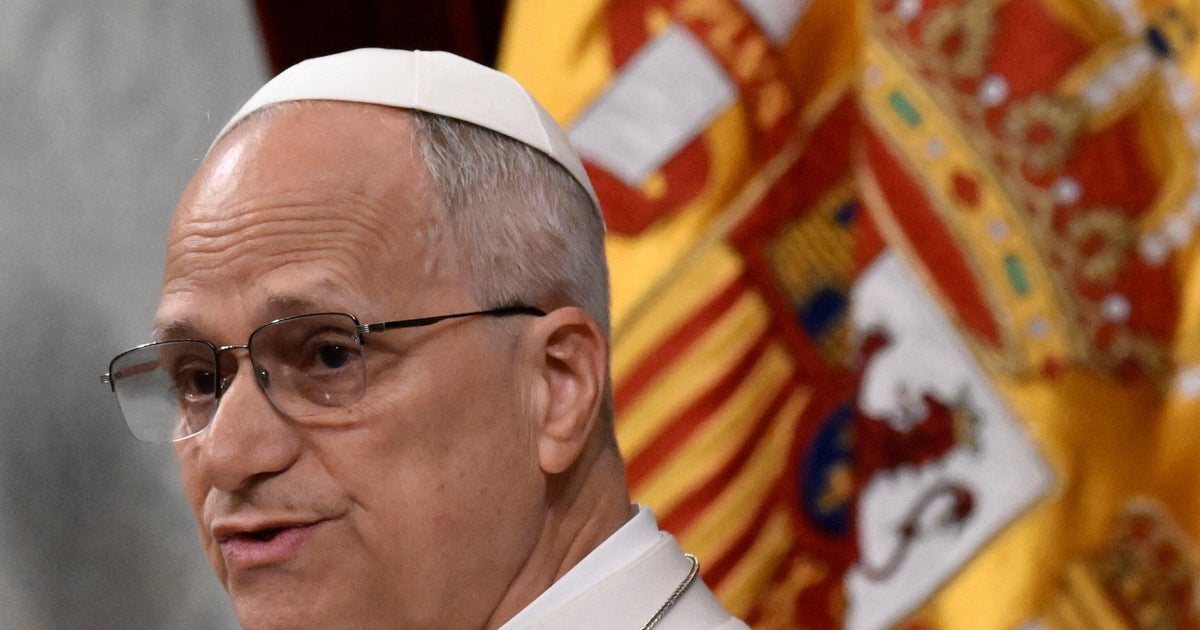
Pope Leo XIV denounced the “scourge” of sexual violence by Catholic clergy during a visit to Madrid on Monday, June 8, 2026. Ahead of a private meeting with survivors at the Vatican embassy, the pope called for a “culture of care” while facing criticism from victims’ groups regarding the transparency of the event.
The Vatican’s Stance on Clerical Abuse
During a gathering of Spanish bishops, the first U.S.-born pope addressed the systemic crisis of abuse, describing the situation as “still an open wound” for the Church. His remarks on Monday followed a flight to Spain on Saturday where he emphasized the necessity of a global response. According to CBS News, the pontiff stated that the ecclesial community must move beyond silence, calling for “listening, truth, justice, reparation and an ever more determined commitment to prevention.”
The urgency of these comments is underscored by the scale of the crisis in Spain. A 2023 report from the country’s national ombudsman estimated that approximately 200,000 minors have suffered sexual violence at the hands of clergy since 1940. While the Church historically maintained a stance of reticence, the government of Prime Minister Pedro Sánchez and the Spanish Catholic Church signed a compensation agreement this past March to provide redress for survivors.
Survivor Groups Protest Meeting Limitations
Despite the pope’s calls for a “culture of care,” the planned meeting at the apostolic nunciature—the Vatican’s embassy in Madrid—has drawn sharp criticism from advocacy organizations. Representatives from these groups argue that the Vatican is actively limiting the voices of those it claims to support.
Cuatrecasas added that his organization intends to continue pressuring the hierarchy, stating: “We are going to keep pushing until the end, insisting that the Pope has to see us, has to hear us, we have a voice.” The Vatican has maintained that the meeting will proceed as scheduled but has declined to release details, citing the need for “respect for the victims.”
Spain’s Reparations Program and Legal Reckoning
The pope’s visit arrives as Spain navigates a complex, state-backed reparations program designed to address cases where the accused clergy are deceased or the crimes fall outside the statute of limitations. As AP News reports, the program—which gives the government final authority on payouts—has received 420 applications so far. Victims have a one-year window to submit claims.
For many survivors, the program represents a long-overdue shift in accountability. Paula Alonso-Pimentel, who publicly detailed her experience of abuse at a religious school in Valladolid during the 1970s, remains cautious about the Church’s participation. “It must cost them, the Church,” she told the Associated Press. “It must cost them because this cannot come for free. They cannot continue doing this without paying a huge price.”
This follows our earlier report, Pope Leo XIV Issues Groundbreaking Encyclical on AI Ethics.
Political Tensions and Parliamentary Address
Beyond the abuse crisis, the pope’s visit has intersected with Spain’s domestic political volatility. On Monday, he delivered a speech to the Spanish parliament that was met with a lengthy standing ovation. In his address, he touched on several contentious issues, including migration and the defense of life.
Leo XIV urged lawmakers to provide “safe and legal pathways” for migrants, a topic that has strained relations between Sánchez’s government and opposition parties like the conservative Popular Party and the far-right Vox. Simultaneously, the pope reiterated the Church’s stance on defending life “from conception to its natural end,” directly challenging the government’s recent legalization of euthanasia and its proposals to codify abortion rights within the Spanish constitution.
The pontiff’s seven-day itinerary concludes with a trip to the Canary Islands, a critical entry point for irregular migration into Europe. There, he is expected to pay tribute to migrants who died at sea, reinforcing his call for a global response to what he termed the “tragic drama” of migration. As the week progresses, the Vatican’s ability to reconcile its public calls for healing with the specific demands of Spanish victim groups will remain a defining test of the pope’s visit.
