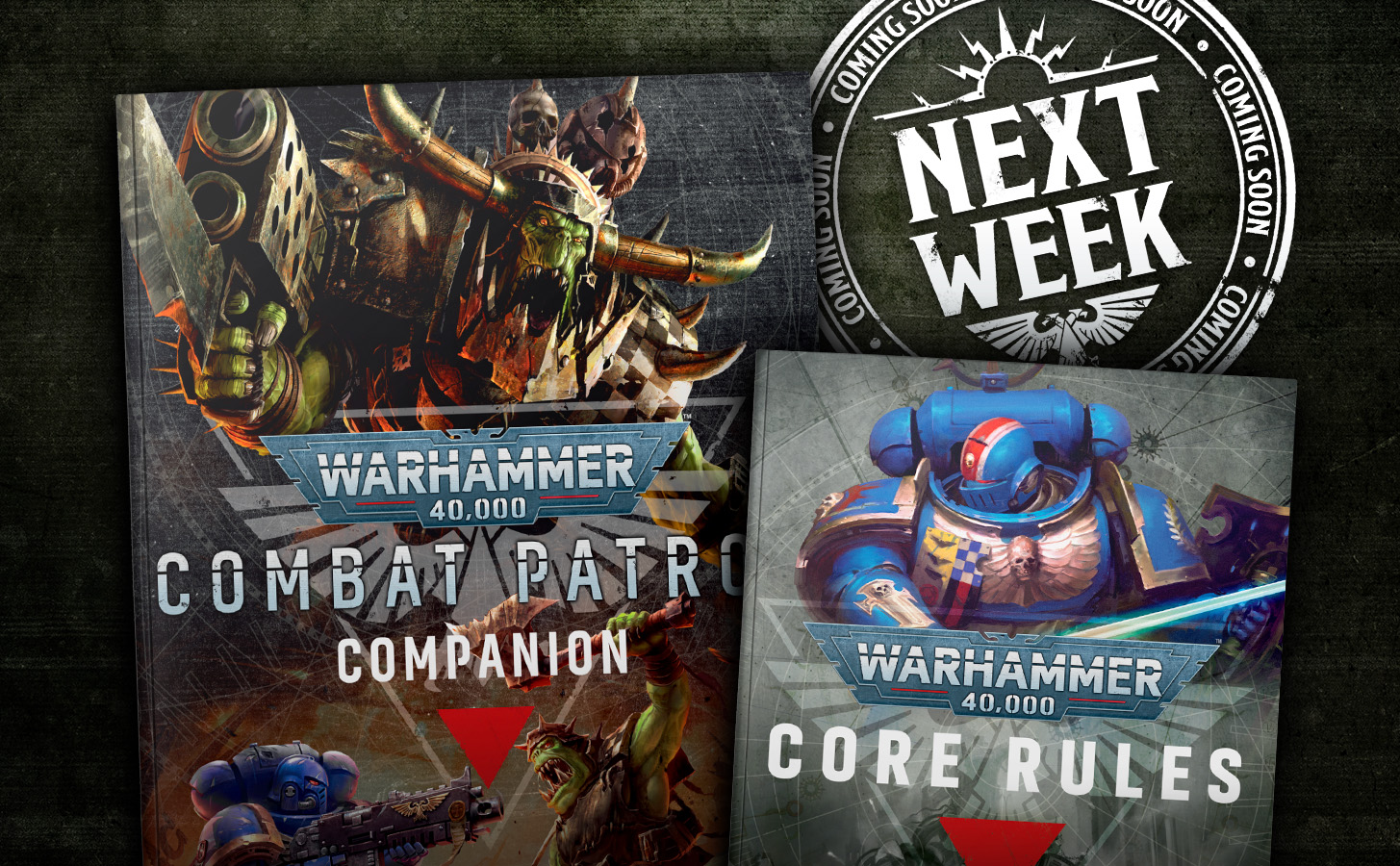
Games Workshop has unveiled new Event Companions and pre-orders for the 11th edition of Warhammer 40,000, signaling a major shift in tournament formats and player accessibility. The updates, detailed across multiple sources, include expanded rules for Doubles and Teams Events, alongside physical rulebook releases. The changes aim to streamline competitive play while broadening the hobby’s appeal, with pre-orders now live for core materials and narrative campaign decks.
Doubles Events and Teams Format: A New Era of Strategy
The new Event Companions, released by Games Workshop, introduce significant adjustments to competitive play. Doubles Events, where two players team up, now feature clarified rules to address longstanding ambiguities. For instance, the companions explicitly state that players do not gain extra command points for teaming up, and Ork Boys cannot ride in a teammate’s Wave Serpent. These clarifications, noted in Warhammer Community, aim to reduce disputes during tournaments.

Teams Events, another focus, require players to adapt to dynamic pairings and mission layouts. Each team selects a Defender and Attackers, with opponents choosing which Attackers to face. This system, outlined in Bell of Lost Souls, adds layers of strategy, forcing teams to master multiple playstyles. The Event Companion also introduces three terrain layouts per mission, ensuring variety and preventing repetitive matchups.
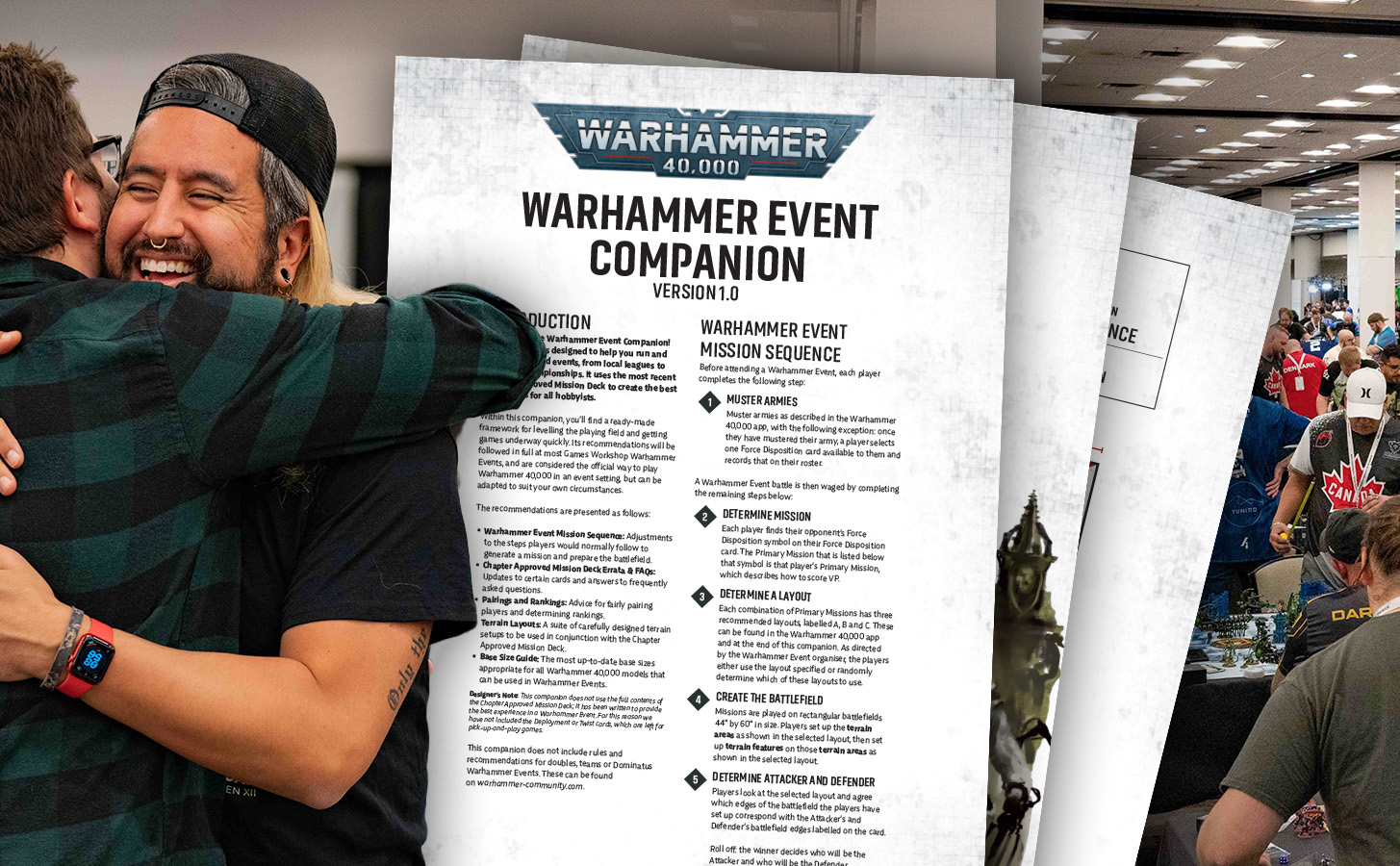
The transition to these structured formats reflects a broader trend in tabletop gaming where the “Organized Play” segment has become a primary driver of the hobby. By standardizing terrain placements and detachment restrictions, Games Workshop is attempting to minimize the “table-to-table” variance that has historically plagued large-scale 40k events. In previous iterations of the game, inconsistent terrain density often led to significant balance issues, where certain factions thrived in open fields while others struggled in dense urban layouts. The new Event Companions seek to resolve this by providing a universal map for event organizers to follow.
Pre-Orders and Physical Releases: Broadening Access
Physical rulebook releases have expanded, offering alternatives to the costly Armageddon boxed set. The new Core Rules book, now available for pre-order via Wargamer.com, streamlines 11th Edition rules with numbered sections. The Combat Patrol Companion, designed for newcomers, includes guidance on collecting, building, and painting models. These materials, alongside the Chapter Approved Mission Deck, cater to both veterans and hobbyists seeking structured entry points.
The Dominatus Narrative Campaign Deck, also pre-orderable, introduces a story-driven approach to battles. This deck, detailed in Wargamer.com, allows players to weave continuous narratives across games, a departure from traditional tournament formats. Additionally, the Terrain Area Set provides tools for marking battlefield layouts, enhancing the immersive experience for Chapter Approved missions.
The move to offer standalone Core Rulebooks signals a shift in the company’s distribution strategy. Previously, the main rulebook was often exclusively tied to large, high-priced launch boxes. By decoupling the core rules from the miniatures-heavy starter sets, Games Workshop is lowering the barrier to entry for players who may already own models from previous editions or who prefer to collect specific factions rather than the “poster child” armies featured in the base sets. This approach is consistent with the company’s ongoing efforts to ensure that the hobby remains accessible as the range of available models continues to grow.
For more on this story, see Warhammer 40K’s Falchion Tank Pre-Orders Shake Up 11th Edition Battles.
Implications for the Hobby: Accessibility vs. Complexity
The updates reflect Games Workshop’s effort to balance complexity with accessibility. By simplifying rules and offering physical alternatives, the company addresses criticisms of 40k’s steep learning curve. However, the emphasis on tournament-specific rules—like the Force Disposition system—may alienate casual players. Bell of Lost Souls notes that the Event Companions now serve as the baseline for organizing games, shifting some responsibility to players to adapt to evolving formats.
For competitive players, the changes promise more dynamic events. The ability to use a single 3DP detachment in Doubles games, as clarified in Warhammer Community, grants flexibility, though some argue it dilutes strategic depth. Meanwhile, the integration of terrain setups post-matching, as described in Bell of Lost Souls, requires event organizers to allocate additional time, potentially affecting tournament efficiency.
The tension between narrative play and competitive gaming is a hallmark of the Warhammer 40,000 ecosystem. While the competitive scene demands rigid, balanced, and predictable rules, the narrative community often prioritizes immersion and creative freedom. The introduction of the Dominatus Narrative Campaign Deck suggests that Games Workshop is attempting to bridge this divide by providing “official” narrative structures that can be played with the same level of care as a tournament, without the pressure of high-stakes competitive ranking.
What Comes Next: Tournament Rollout and Player Feedback
With the Event Companions available, tournaments are expected to adopt the new rules by late June 2026. The Warhammer 40,000 app will soon include all mission layouts, as announced in Warhammer Community. Player feedback will likely shape future updates, particularly regarding the balance between narrative campaigns and competitive play. The success of these changes may determine whether the 11th edition becomes a defining era for the hobby or a divisive pivot.
Tournament organizers are currently tasked with integrating these new digital companions into their existing software suites. Because these rules are now being updated via the app, the expectation is that players will arrive at events with the most current data, reducing the need for printed errata sheets. This digital-first approach marks a significant departure from the era of static print rules, where balancing issues could persist for months before a new publication could address them. As the community moves into the late-June rollout, the effectiveness of this rapid-update cycle will be tested in real-world environments, providing the company with the data necessary to refine the 11th edition’s ruleset for the remainder of the year.
Find more reporting in our Technology section.
