A leaked trove of WhatsApp messages between former Health Secretary Wes Streeting and Lord Peter Mandelson reveals behind-the-scenes maneuvering with Rupert Murdoch’s media empire—just as Mandelson’s appointment as UK ambassador to Washington faces fresh scrutiny over security vetting lapses. The exchanges, published June 1, show Mandelson’s direct ties to News UK executives, while newly declassified documents confirm he received sensitive Foreign Office briefings before completing security clearance. With Labour MPs already restless over Mandelson’s appointment, the disclosures risk deepening divisions over Starmer’s judgment.
Mandelson’s Murdoch Dinner: A Masterclass in Media Relations
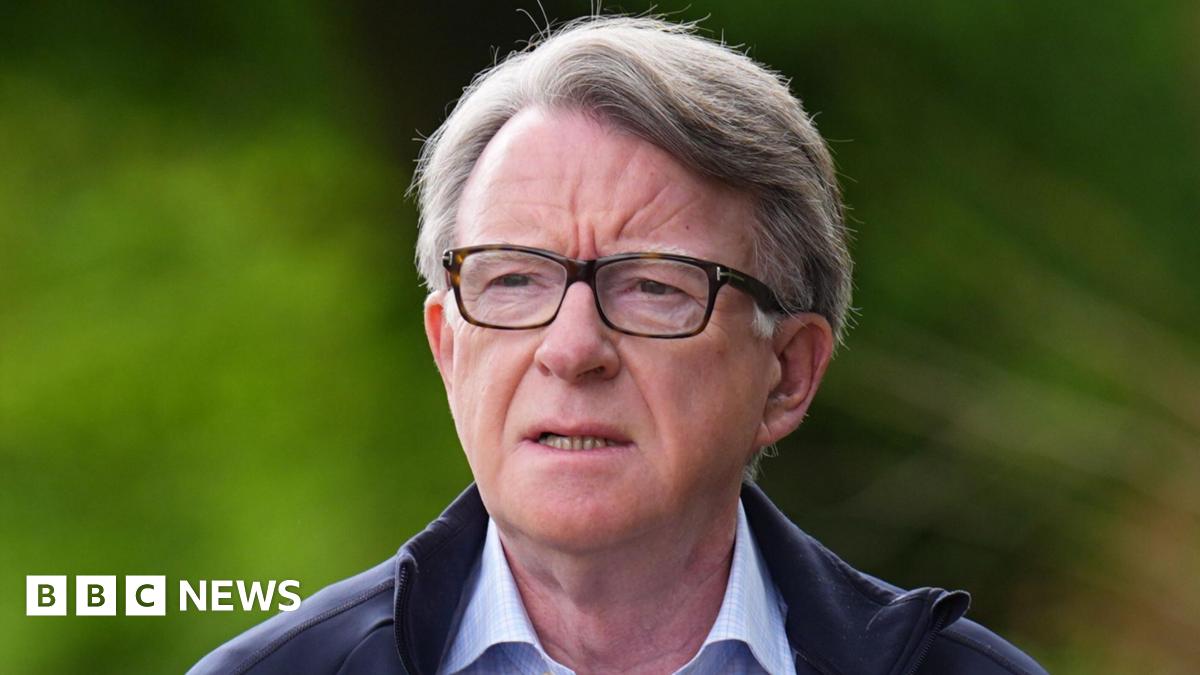
The latest batch of WhatsApp messages between Wes Streeting and Peter Mandelson—published by the BBC—paints a picture of a carefully orchestrated media strategy ahead of last year’s general election. At the center of the exchanges is a dinner hosted by Mandelson in late 2024, attended by Lachlan Murdoch (CEO of Fox Corporation) and Rebekah Brooks (CEO of News UK). Mandelson’s message to Streeting captures the tone: “Lachlan really enjoyed the dinner,” he wrote, adding that “they all thought everyone in great form.” Streeting’s reply—“The highlight of the evening was you pulling out the Times app and ribbing Tony Gallagher”—hints at the personal rapport built during the gathering, while Mandelson’s quip that “these people have to be kept on their toes” and Streeting’s follow-up that it was “masterfully done” underscore the transactional nature of the encounter. The messages, released by the BBC, reveal how Labour’s media strategy extended beyond traditional party lines, with Mandelson acting as a bridge between Starmer’s government and Murdoch’s influential outlets.
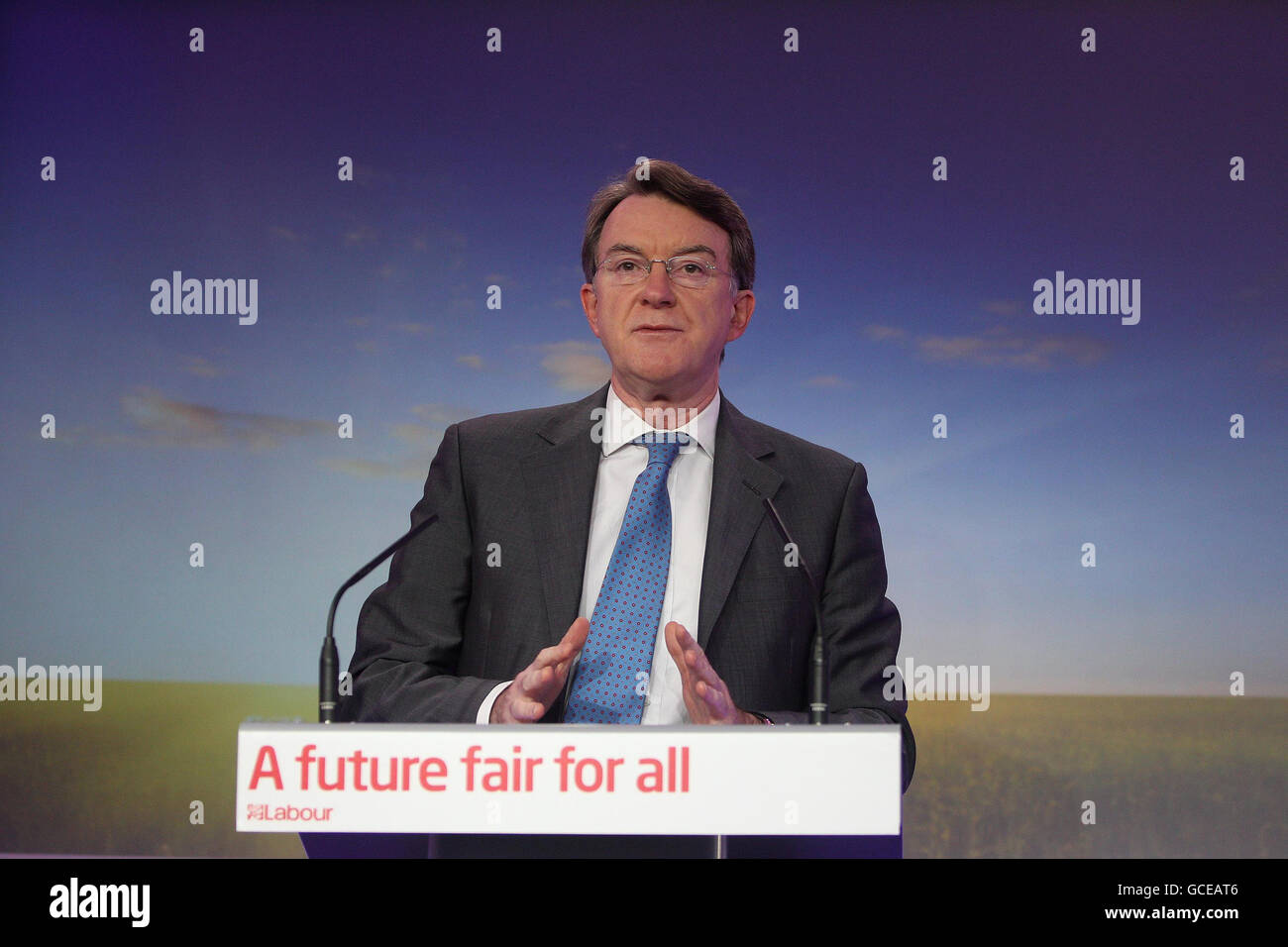
Peter Mandelson Labour Party press conference 2024
What’s striking is the timing. Streeting’s allies confirm that during the election campaign, at Keir Starmer’s request, Streeting met with editors of the Guardian, Sun, and Times to secure their endorsements—a critical factor in Labour’s victory. The WhatsApp leaks now suggest Mandelson played a parallel role, leveraging his own connections to Murdoch’s empire. The question hanging over these revelations: Was this coordination part of a broader strategy, or a one-off effort to curry favor with a media powerhouse?
Security Vetting Scandal: Mandelson’s Ambassadorship Under Fire
While the Murdoch dinner messages dominate headlines, the deeper scandal lies in Mandelson’s appointment as UK ambassador to Washington—a role that required top-tier security clearance. Newly declassified documents from the Foreign Office, published by The Guardian, reveal that Mandelson was receiving sensitive briefings and discussing intelligence matters with MI6’s former head, Richard Moore, before his vetting was complete. The documents show Mandelson believed he could access classified materials simply because he held the title of Privy Councillor, a position he held as a former cabinet minister. Officials eventually ruled that clearance was still required—a decision that came too late for some.
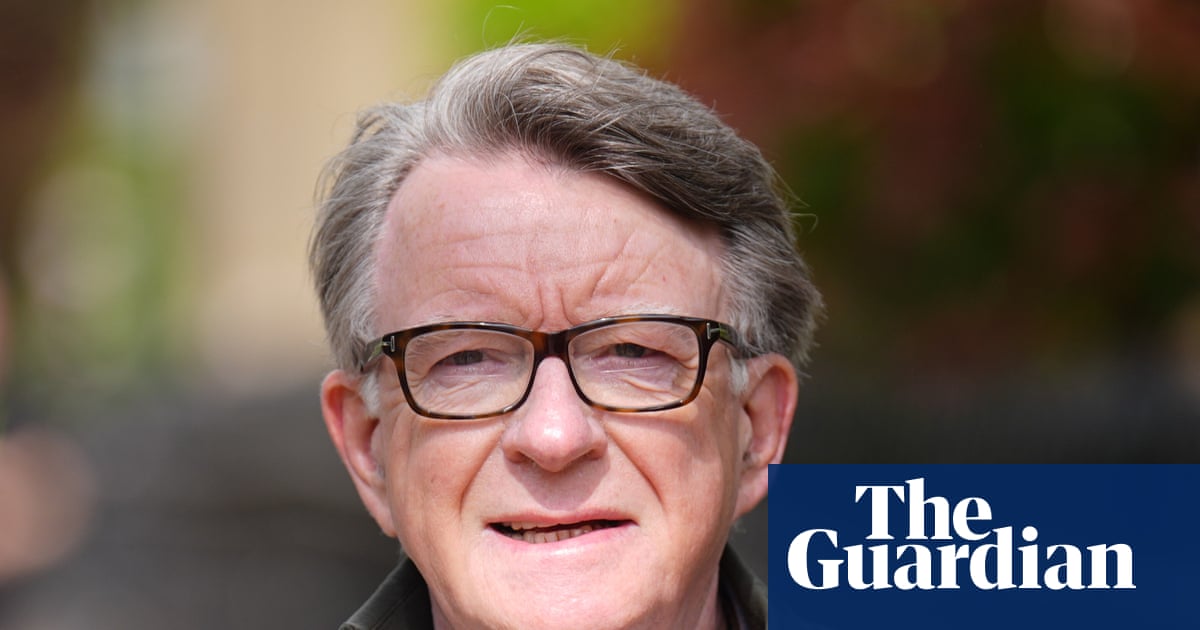
Mandelson Labour Party resignation photo opStarmer's Inaction Over Mandelson’s 'Rotten' Appointment Exposes Deep Leadership Crisis | Labour MP
The vetting process itself was riddled with red flags. Mandelson was advised to submit a “handful” of names of his overseas contacts to reassure security teams, The Guardian reports, even as officials noted the exercise felt “artificial”. The 1,500-page release of documents—triggered by the ambassadorial appointment process—omitted information deemed “prejudicial to UK national security”, after redactions by the Intelligence and Security Committee (ISC). What remains unanswered: Why were serious security concerns raised about Mandelson’s associations with senior figures in China, Russia, and Israel, as well as a £1 million loan? The documents do not specify what measures were taken to mitigate these risks.
The timeline of events is damning. As early as January 2025, Mandelson and Moore had agreed to meet before his appointment was finalized. A month later, the Foreign Office overruled a decision to deny him clearance, despite warnings from the Metropolitan Police that emails between Mandelson and his aide, Morgan McSweeney, should be withheld. The question now: Did Starmer’s office rush the appointment to avoid further scrutiny, or were these lapses a product of poor oversight?
Labour’s Internal Rifts: Mandelson as a Lightning Rod
Mandelson’s appointment has already sparked friction within Labour’s ranks. The newly released documents include internal Labour criticism of Starmer, with Mandelson himself describing the prime minister as someone who “tends to buckle under pressure and lacks verve”. While these remarks were not part of the public record until now, they align with broader concerns among backbench MPs about Starmer’s leadership. The appointment of a figure with Mandelson’s controversial history—including his ties to foreign governments and financial entanglements—has become a symbol of the government’s perceived disconnect from its own base.
The WhatsApp leaks and security documents together paint a picture of a government navigating two crises simultaneously: media influence and national security. Streeting’s role in securing Murdoch’s support during the election contrasts sharply with the Foreign Office’s struggles to vet Mandelson properly. For Labour, the challenge now is to contain the fallout. With MPs already restless, the revelations risk further eroding Starmer’s authority—especially if the public perceives his government as either naive about media power or reckless with security protocols.
What Happens Next? Three Scenarios for Labour
The next 30 days will be critical for Labour’s political survival. Here’s how the story could unfold:
1. Damage Control Mode
Starmer’s office may attempt to spin the Mandelson revelations as isolated incidents, arguing that the ambassadorial appointment was made in good faith despite vetting delays. However, the Murdoch dinner messages—combined with Mandelson’s past associations—could make this defense difficult. Labour may need to distance itself more aggressively from Mandelson, potentially revoking his appointment or limiting his access to sensitive briefings.
2. MP Revolt
The internal Labour criticism already surfacing in the documents suggests that backbench MPs are growing bolder in challenging Starmer. If more MPs demand answers—or worse, a vote of no confidence in the government’s handling of the appointment—the prime minister could face a parliamentary rebellion. The Murdoch leaks add fuel to the fire, as they expose a strategy that may have prioritized media favor over transparency.
3. Opposition Exploitation
The Conservative Party, already weakened but still politically savvy, will likely seize on these revelations to paint Labour as out of touch with its own values. If the Tories frame the story as a clash between elite backroom deals and the public interest, they could regain some momentum in the polls. Labour’s challenge will be to preempt this narrative by acknowledging the mistakes while emphasizing their commitment to transparency.
cluster (priority): The Guardian
One thing is certain: the Mandelson appointment has become a lightning rod for Labour’s broader credibility. The WhatsApp messages and security lapses together suggest a government that may have overestimated its control over media narratives while underestimating the risks of its diplomatic appointments. For Starmer, the question is no longer whether these revelations will cause damage—but how much, and whether Labour can recover.
The Bigger Picture: Media, Security, and Political Trust
The Mandelson saga is more than a personal scandal—it’s a symptom of deeper tensions in British politics. The country’s media landscape remains dominated by a handful of powerful players, many with close ties to government. Meanwhile, the UK’s intelligence agencies are grappling with how to vet diplomats in an era of increasing geopolitical risk. The balance between media influence and national security has never been more fraught.
For Labour, the immediate task is to restore trust. The WhatsApp messages and security lapses together suggest a government that may have prioritized short-term political gains over long-term stability. If Starmer cannot address these concerns—both with his own MPs and the public—Labour’s majority could erode faster than expected. The coming weeks will test whether the government can turn this crisis into an opportunity to reassert its commitment to transparency or whether it will be consumed by the very scandals it sought to avoid.
One thing is clear: the Mandelson appointment was never just about diplomacy. It was about power—who wields it, who benefits from it, and who pays the price. For now, the price may be Labour’s reputation.
Rafael Moreno directs international correspondents from London to Singapore. A multilingual journalist born in Madrid, he spent 12 years covering diplomacy and conflict for Global Affairs Review. His background in political science strengthens Globally Pulse’s depth in world reporting.